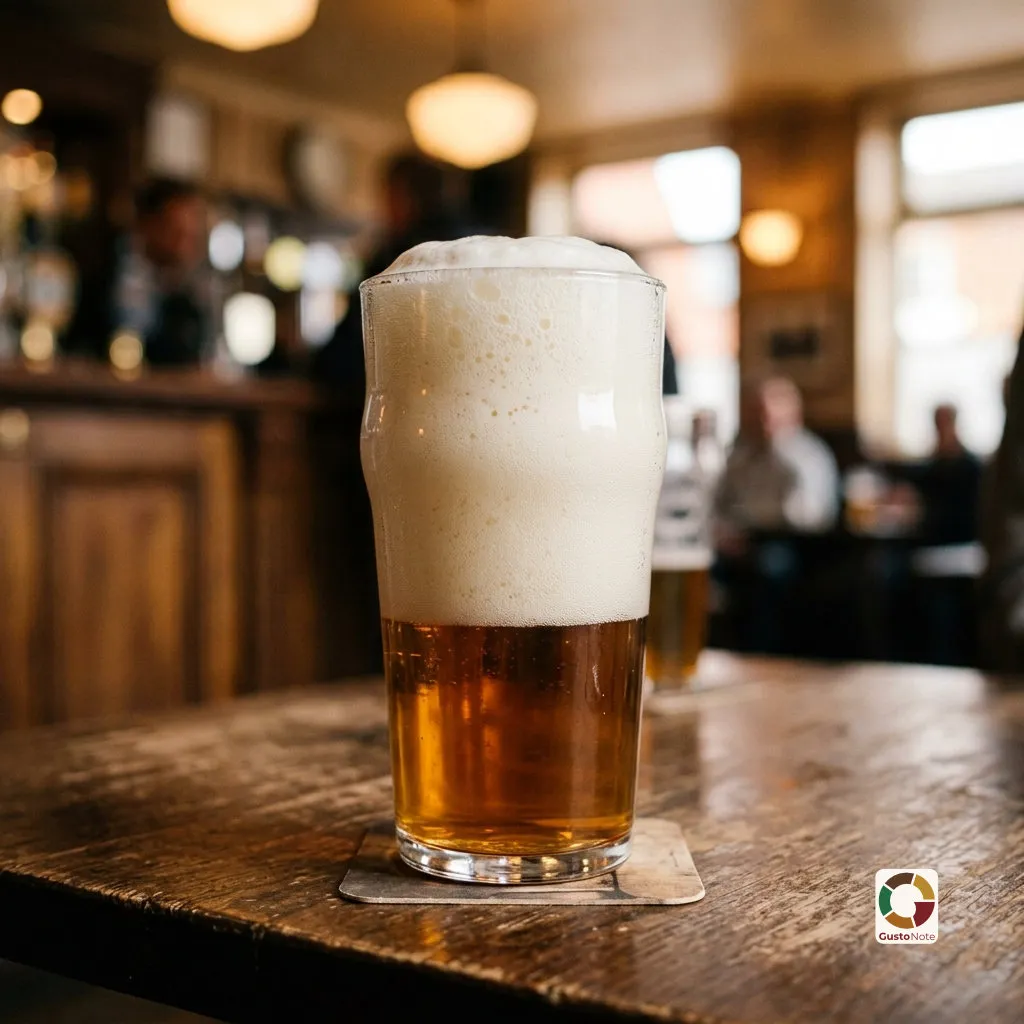
Beer head - what the foam is for and what it tells you
Some people ask for a pour with no foam, claiming it wastes beer. Others leave a thick crown and smell it with pleasure. Who is right? The head is not decoration or waste, but a signal about the beer and part of the flavour experience. It is worth knowing where it comes from and what it tells you.
Where the head comes from
During fermentation the yeast produces carbon dioxide that dissolves into the beer. When you pour, the gas is released as bubbles, and they carry proteins and hop compounds to the surface. Those are what create and hold the head. Without proteins from the malt and without hops, the bubbles would pop at once. I describe the whole process in how beer is made.
Why some beers hold a head and others do not
The stability of the head depends mainly on the beer’s makeup:
- Protein-rich malts and grains (wheat, oats) give a dense, lasting head. That is why a weizen and a stout have a beautiful crown.
- Hops help stabilise the head, so heavily hopped beers often hold it well.
- Fat and detergent residue are the enemies of foam. Even a trace of grease on the glass, or from your lips after fatty food, can kill it.
So a lack of head does not always mean a bad beer, but it often gives away a dirty glass or too little carbonation.
What the head tells you
- A dense, creamy, lasting crown is a good sign: fresh, well-carbonated beer and a clean glass.
- Lacing on the glass (rings of foam left after each sip) shows good foam quality and a clean glass.
- The head vanishes in seconds - it may be old, flat beer, a greasy glass or too little gas.
The head also carries a lot of aroma, because it traps volatile hop compounds. Smelling a fresh crown is part of tasting.
How to pour to release the aroma
Contrary to what some think, the head is desirable. Pour first down the side of a tilted glass, and toward the end straighten it and pour into the centre to build a healthy crown a few centimetres tall. This foam releases aroma and protects the beer from going flat too fast. I cover more about the numbers and styles in how to read a beer label.
Note what you see in the glass
In GustoNote you note the appearance, head and profile of every beer, and after a few dozen entries you will notice which styles and which glasses give the best crown. It is a small thing that genuinely changes the pleasure of drinking.