Beer guide
Where to start
New to the topic? Read these in order, step by step:
- 1Beer is more than a cold lager - how to start tasting it
- 2Lager vs ale - the two souls of beer explained simply
- 3How beer is made - malt, hops, yeast, water
- 4The flavour balance of beer - bitterness, maltiness and body
- 5How to read a beer label - extract, IBU, hops and alcohol
- 6The IPA family - from West Coast to NEIPA, DIPA and session
All articles
Basics and process
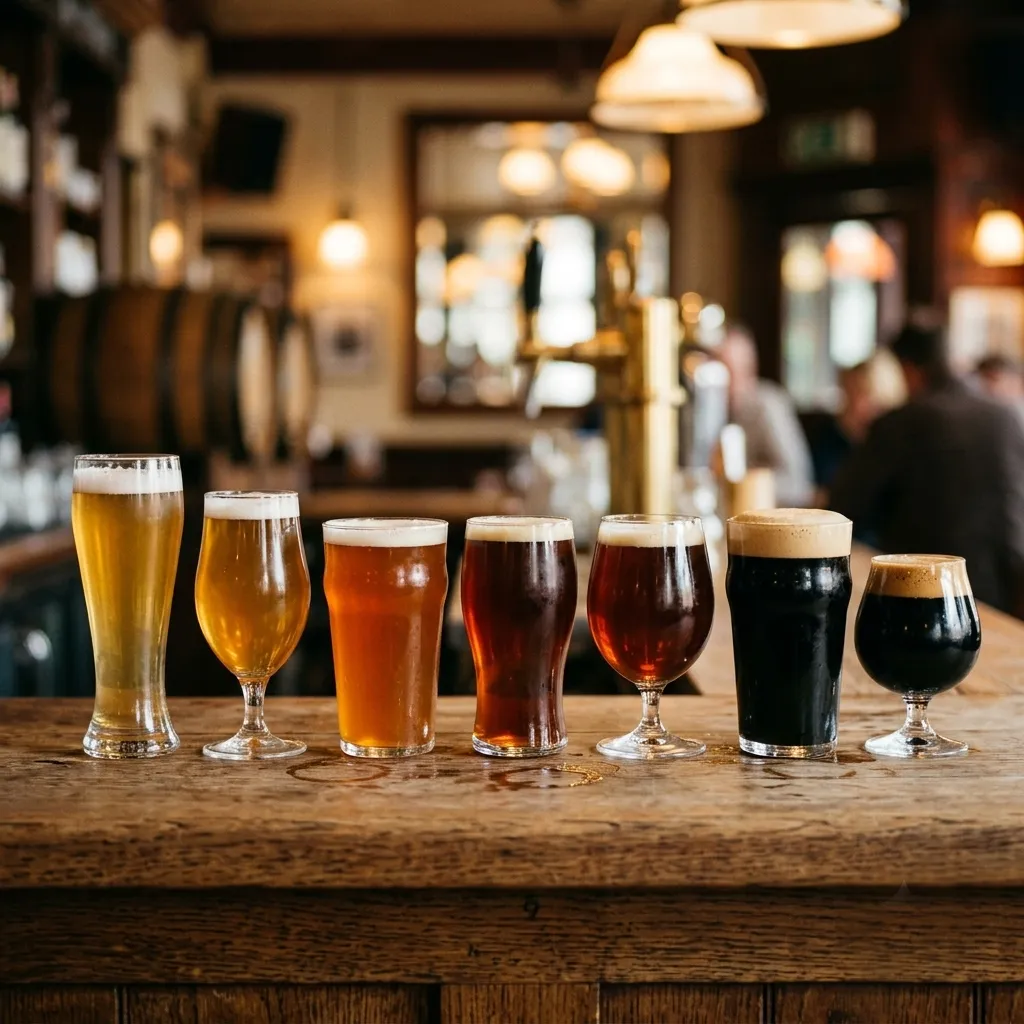
Beer is more than a cold lager - how to start tasting it
For you, beer means one thing: a cold lager with the grill? That is like judging all music by one song on the radio. A relaxed guide to stepping into the world of beer and finally tasting something.
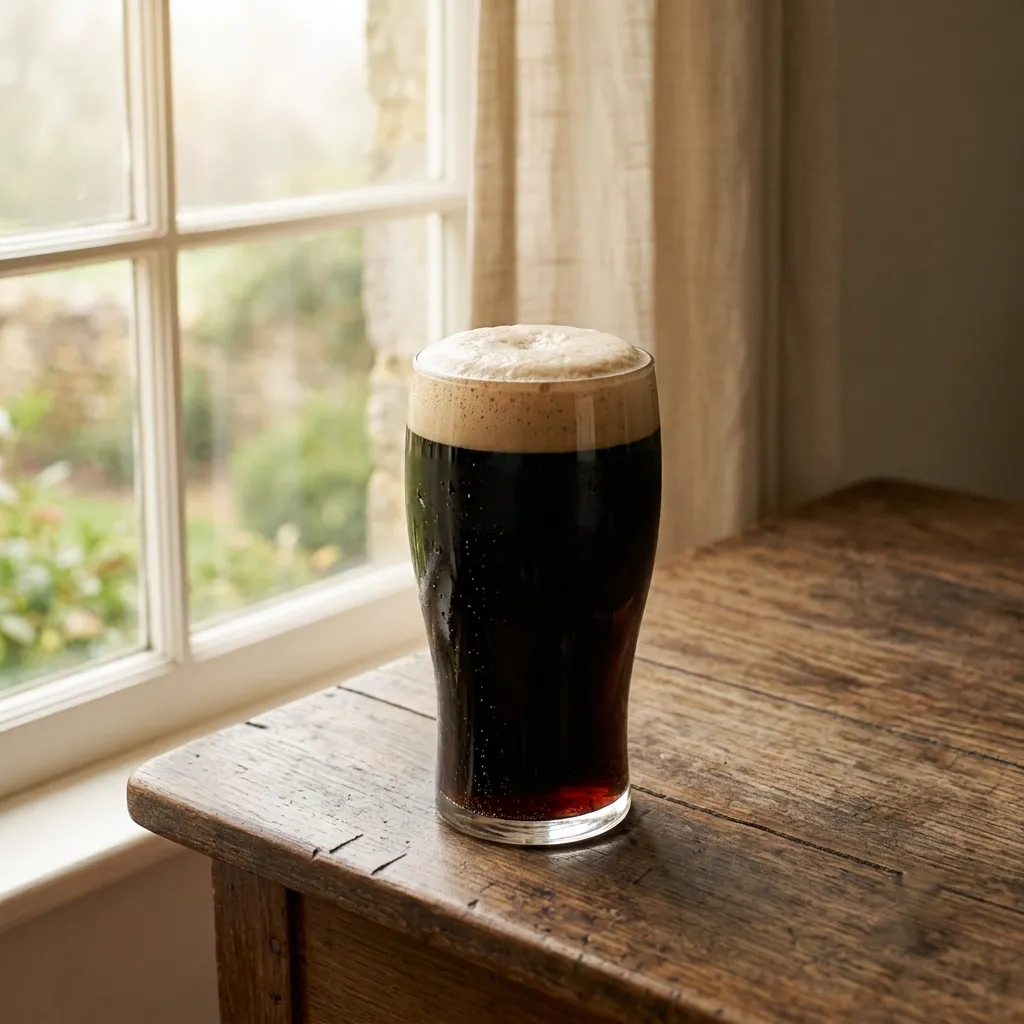
Dark beers without fear - porter, stout and what is inside
Black, thick, intimidating to look at - and often milder than you think. Porter, stout and the rest of the dark family: where they get coffee and chocolate and why to try them.
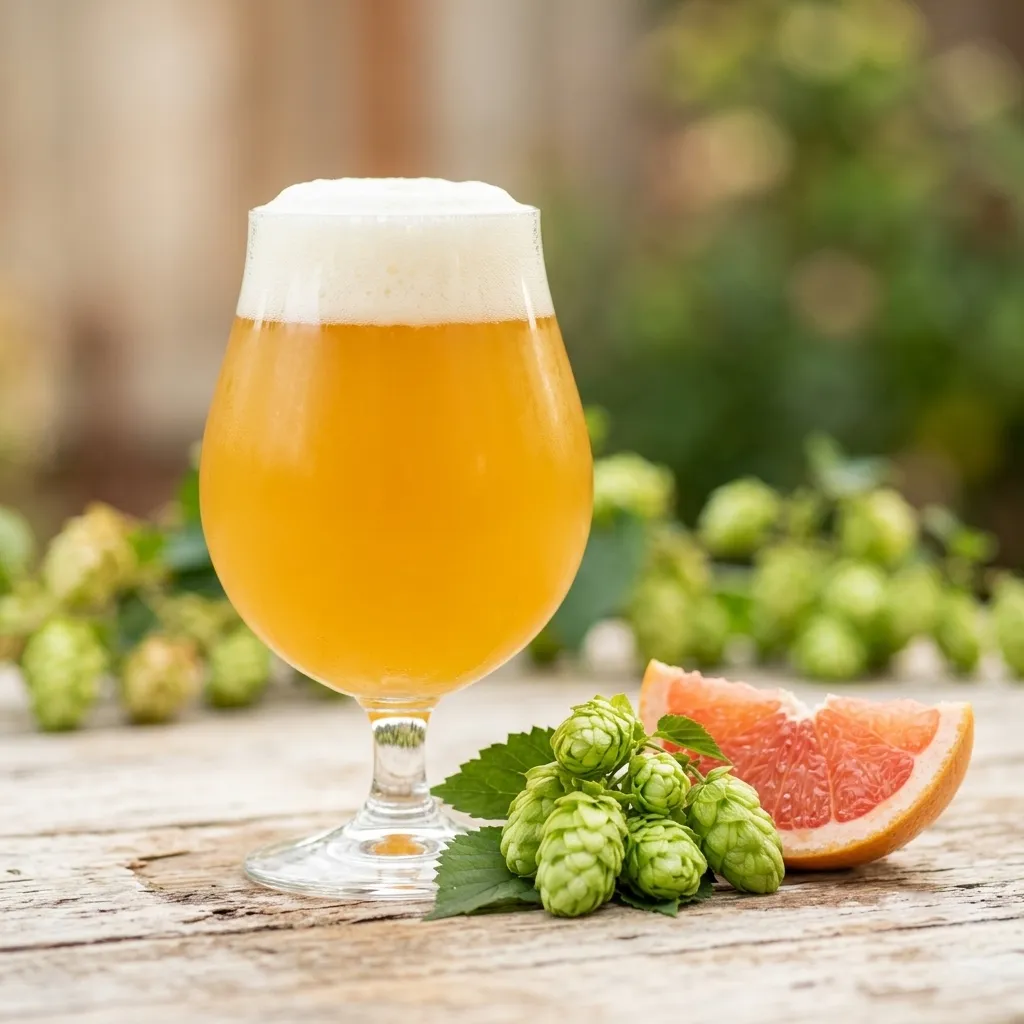
Why IPA tastes like grapefruit and turns bitter - all about hops
Citrus, resin, tropical fruit and bitterness - all from one ingredient: hops. How they work, why IPA smells of grapefruit, how a hazy NEIPA differs from a classic IPA, and what IBU means.
Hops up close - alpha acids, oils and noble versus American
Where beer gets its bitterness and aroma. Alpha acids, essential oils, noble versus American hops: what sets them apart and how they shape flavour. A guide to hop chemistry with a table.
Hopping techniques - bittering, whirlpool and dry hopping, or when to add the hop
The same hop, a different moment, a different effect. Bittering, first wort, whirlpool and dry hopping: how the timing of the addition decides a beer bitterness and aroma. A guide with a table.
Hop biotransformation - how yeast creates the tropical nose of a NEIPA
Yeast does not just ferment - it reworks hop aromas. Thiol release, terpene and glycoside transformation: where the passion fruit and mango in a NEIPA come from. Why to hop during fermentation. A guide with a table.
Esters and phenols in beer - where the banana and clove in a wheat beer come from
Why a hefeweizen smells of banana and clove. Esters (banana) and phenols (clove), the role of yeast and fermentation temperature. Where these aromas come from and how the brewer steers them. A guide with a table.
Brettanomyces in beer - wild fermentation and the funk brewers came to love
A fault in wine, often an asset in beer. How wild Brett yeast gives lambics and saisons their funk: barnyard, leather, tropical fruit. Where the wild character comes from and why it takes months. A guide with a table.
Bacteria in beer: Lactobacillus and Pediococcus - how sourness is made
The sour taste of beer comes not from hops or yeast but from lactic acid bacteria. Lactobacillus and Pediococcus, kettle sour and lactic acid: how sourness is made. A guide with a table.
Mashing: infusion vs decoction and temperature rests
How sugars are drawn from malt and why temperature decides a beer body. Infusion versus decoction mashing, rests and the alpha and beta amylase enzymes. Where dryness or fullness comes from. A guide with a table.
Diacetyl rest and lagering - where the clean taste of lager comes from
The buttery note of diacetyl is a common beer fault. Learn about the diacetyl rest - raising the temperature so the yeast cleans up after itself, and cold lagering. How a clean, dry lager is made - a guide.
The Maillard reaction and melanoidins in beer - where bread, toffee and dark colour come from
The same reaction that browns bread crust and roast meat gives beer the colour and flavour of bread, caramel and toast. Learn about the Maillard reaction and melanoidins - from malting to the boil. A guide.
Attenuation and degree of fermentation - where dry or sweet beer comes from
Why is one beer dry and refreshing, and another sweet and full-bodied? Attenuation decides - how much sugar the yeast ate. Learn about apparent and real attenuation and its effect on body and alcohol. A guide with a table.
Why a lager is harder to brew than an ale
A simple pilsner is a real test for a brewer. Why is a lager harder than an ale? Cold fermentation, sensitive yeast, no place to hide faults and long lagering. Four reasons and how to sense them. A guide with a table.
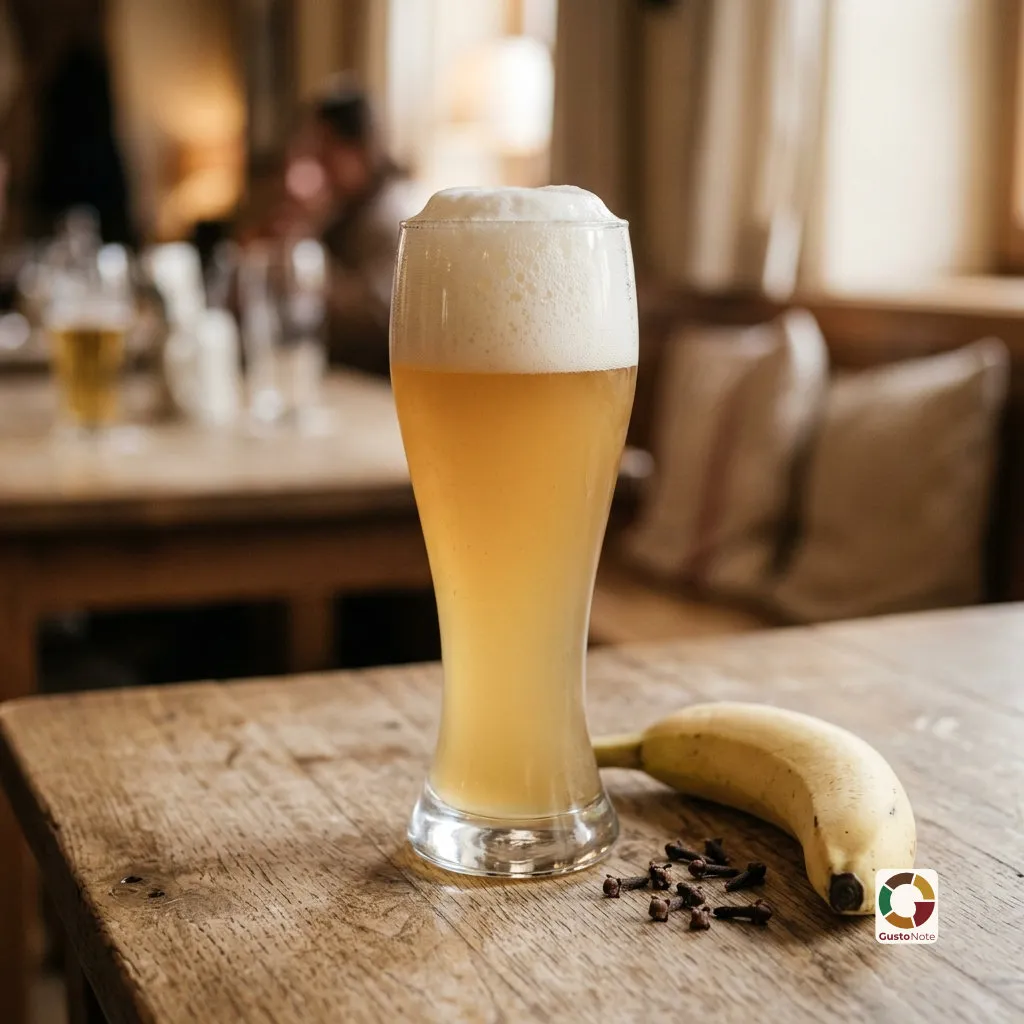
Beer yeast - the invisible flavour maker
Yeast does more in beer than make alcohol. It gives banana to a weizen, spice to a saison, and decides whether a beer is a lager or an ale. How it works and how to taste its trace in the glass.
Carlsberg gave pure yeast to the world for free - the Hansen revolution of 1883
In 1883 a scientist at the Carlsberg laboratory isolated the first pure yeast culture. The brewery could have made a fortune on it, but it gave the discovery away to competitors for free. Here is how that decision changed brewing around the world.
Auto-brewery syndrome - how gut yeast can intoxicate a teetotaler
There is a rare condition in which yeast in the gut ferments carbohydrates into alcohol, intoxicating a person without a single drink. It is auto-brewery syndrome. Here is how it works, what the documented cases are and what it tells us about fermentation in our body.
Brewing yeast overwinters in the guts of wasps - how the survival puzzle was solved
Brewing yeast, key to beer, wine and bread, disappeared from nature in winter, and scientists did not know where it hid. The answer turned out to be surprising: in the guts of wasps. Here is how wasps are a reservoir and vector of yeast and what it tells us about its evolution.
Beer from yeast in a brewmasters beard - how a beard gave life to a new strain
A certain brewery brewed beer from wild yeast cultured from a few hairs of its brewmasters beard. It sounds like a joke, but it is a real beer that went on sale. Here is the story of this remarkable experiment and what it tells us about wild yeast and the terroir of beer.
Malting and beer colour - how grain becomes colour and flavour
Six steps of malting, the Lovibond and EBC scales, specialty malts. How steeping, germination and kilning turn barley into malt and where the colour and flavour of beer come from. With a malt table.
Specialty malts - caramel, roasted, Munich and Vienna
Where beer gets its caramel, chocolate and toast. Caramel, roasted, Munich and Vienna malts: how they differ, how much colour they carry and what flavour they give. A guide with a table.
Beer pasteurization, filtration and shelf life
How do breweries stabilise beer? Learn about tunnel and flash pasteurization, sterile filtration and why craft often skips them. What really spoils beer and how to extend its freshness. A guide with a table.
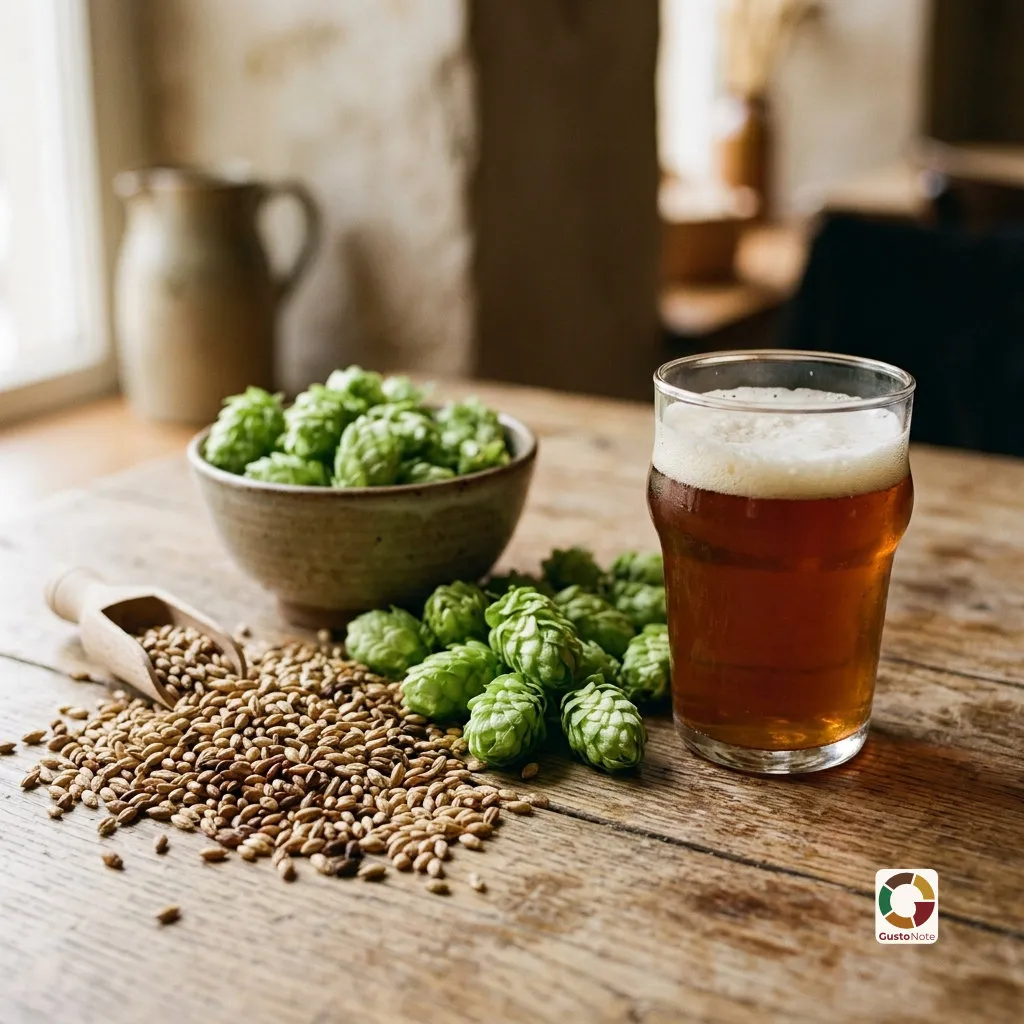
How beer is made - malt, hops, yeast, water
Four ingredients and a few steps that make beer: malting, mashing, the hop boil and fermentation. Where the sweetness, bitterness and bubbles are born, and how to taste it in the glass.
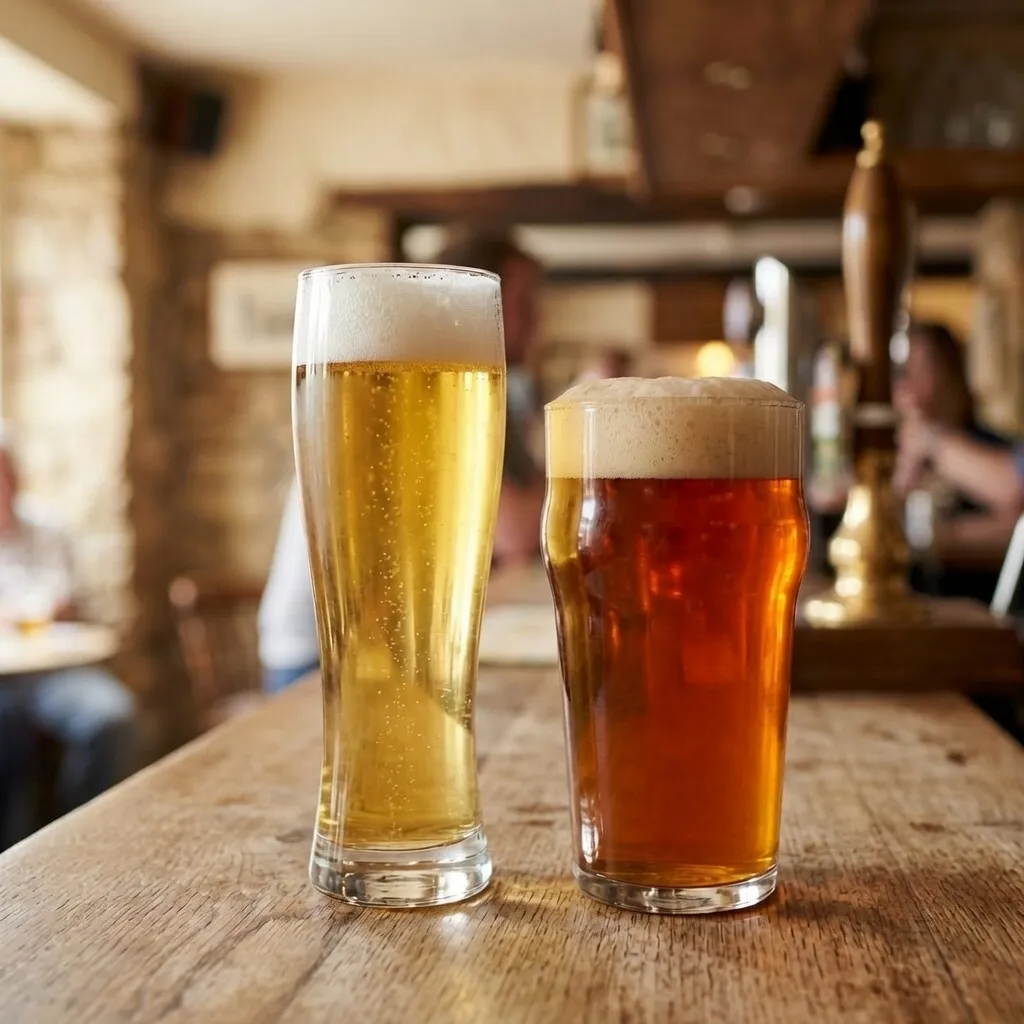
Lager vs ale - the two souls of beer explained simply
All beer splits into two families: lager and ale. The difference is not colour or strength but the yeast and the fermentation temperature. What it means for flavour and how to taste it.
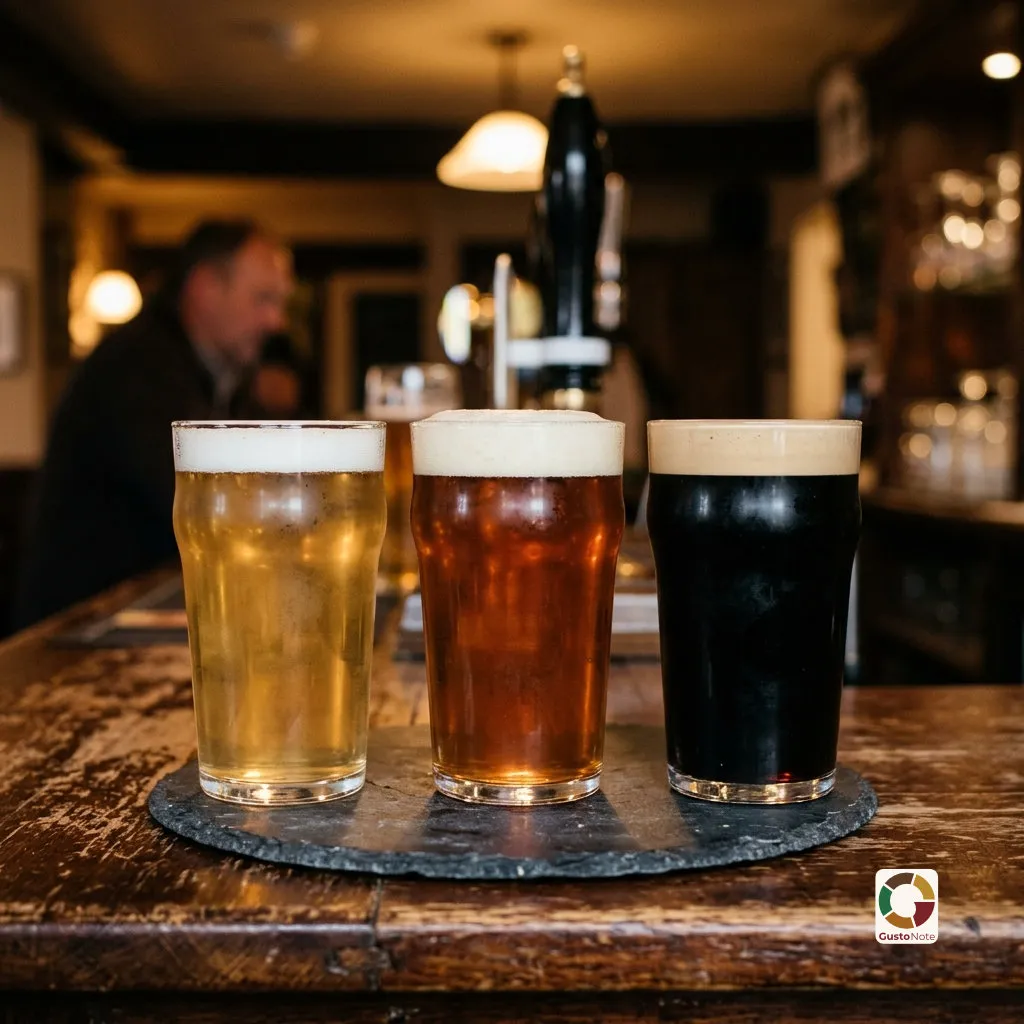
The flavour balance of beer - bitterness, maltiness and body
The flavour of every beer plays out on the tension between malt and hops, plus the sense of body. What builds maltiness, bitterness and body, what the BU:GU ratio is, and how to place styles on this axis.
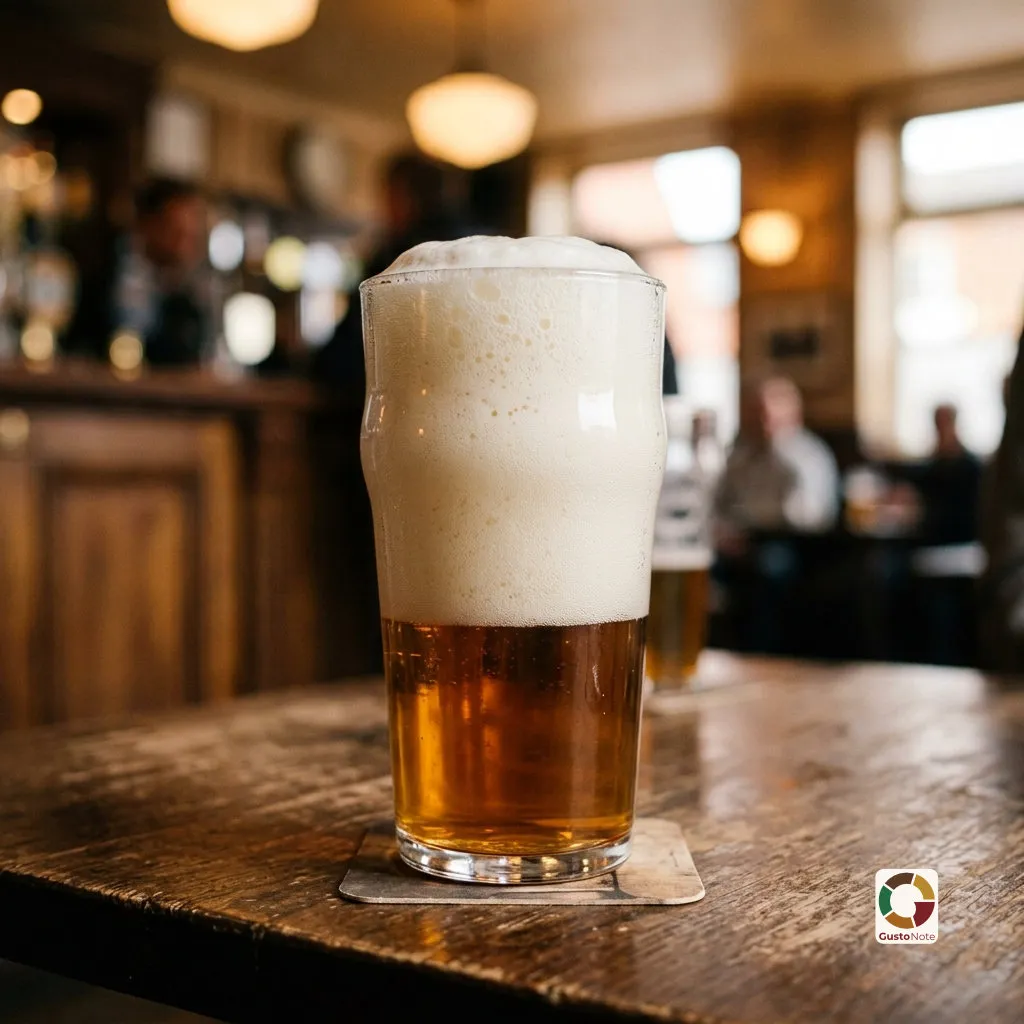
Beer head - what the foam is for and what it tells you
The head is not decoration or wasted beer. Where it comes from, why some beers hold a crown and others do not, what kills foam, and how to pour properly to release the aroma.
Why Guinness bubbles sink - the physics of the glass
In a glass of Guinness the bubbles seem to flow downward, even though gas should rise. It is not an illusion. Mathematicians explained it: the shape of the glass and tiny nitrogen bubbles decide. Here is how the cascade in a stout really works.
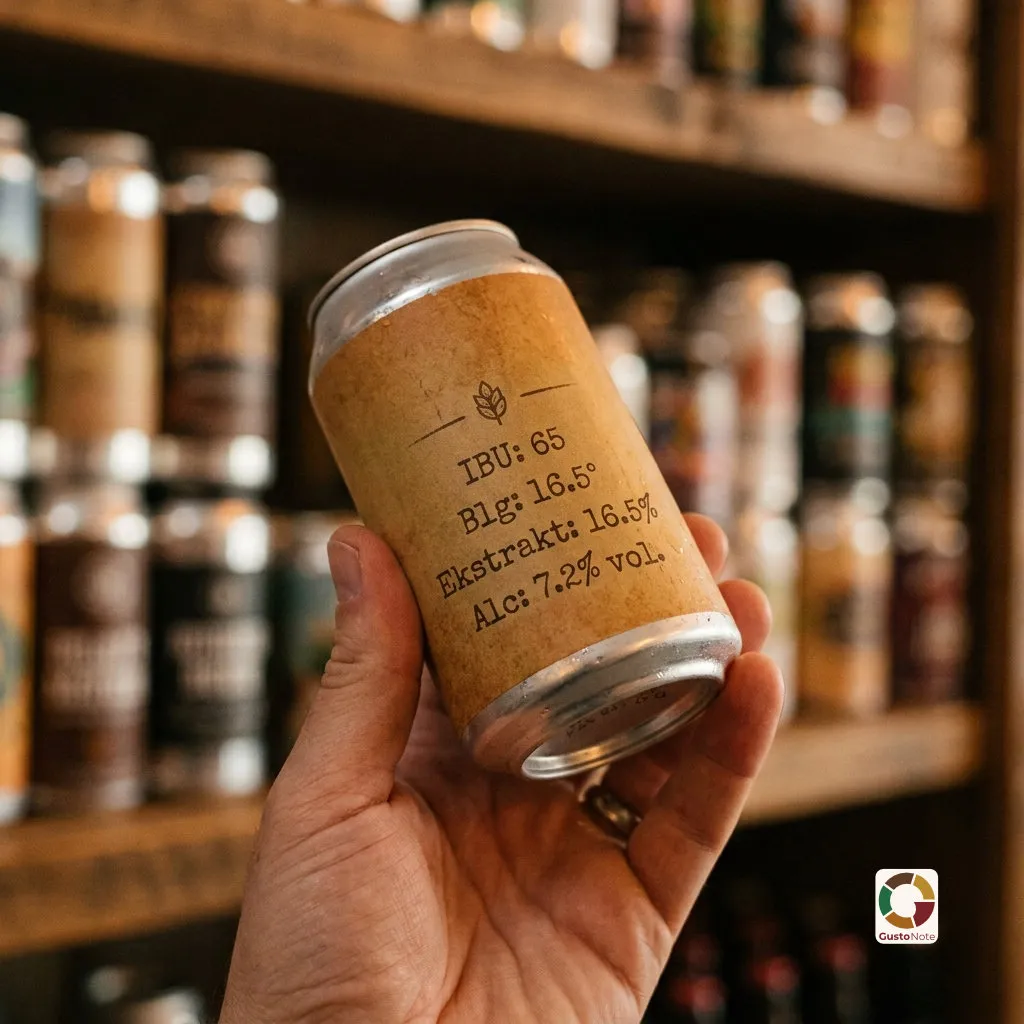
IBU, Plato, extract - what the numbers on a beer label mean
A craft beer label is full of numbers: IBU, Plato, extract, alcohol. What they really say about flavour, why high IBU does not always mean bitter, and how to guess whether a beer will suit you.
ABV vs extract - how beer strength is really calculated
Where does the alcohol in beer come from and how do you calculate it from extract? Learn original and final gravity, degrees Plato, the ABV formula, attenuation and the difference between apparent and real extract. A guide with a table.
The strongest beer in the world and its catch - where beer ends
The strongest beer in the world has about 67 percent alcohol, more than vodka. Its secret is freeze concentration and added spirit, which blurs the line between beer and a distillate. Here is how such a beer is made and when it stops being beer.
Bottle conditioning vs force carbonation
Where do the bubbles in beer come from? Learn the two methods of carbonation: natural bottle conditioning with sugar and yeast, and forced carbonation with carbon dioxide. How they differ in flavour, bubbles, shelf life and sediment. A guide with a table.
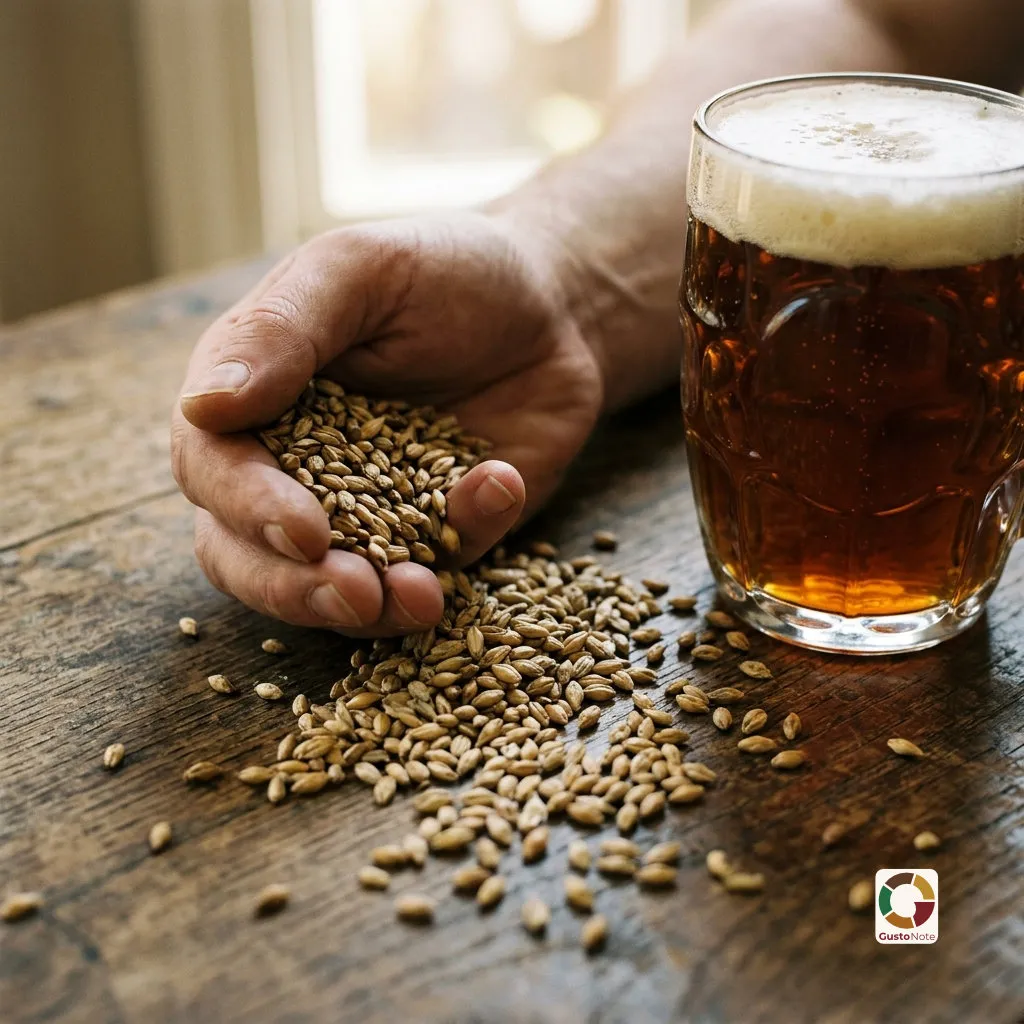
Malt - the forgotten other half of beer
Hops grab all the attention, but malt is what gives beer its sugar, colour and flavours from bread to coffee and chocolate. What malting is, where dark beers get their colour, and how to taste malt in the glass.
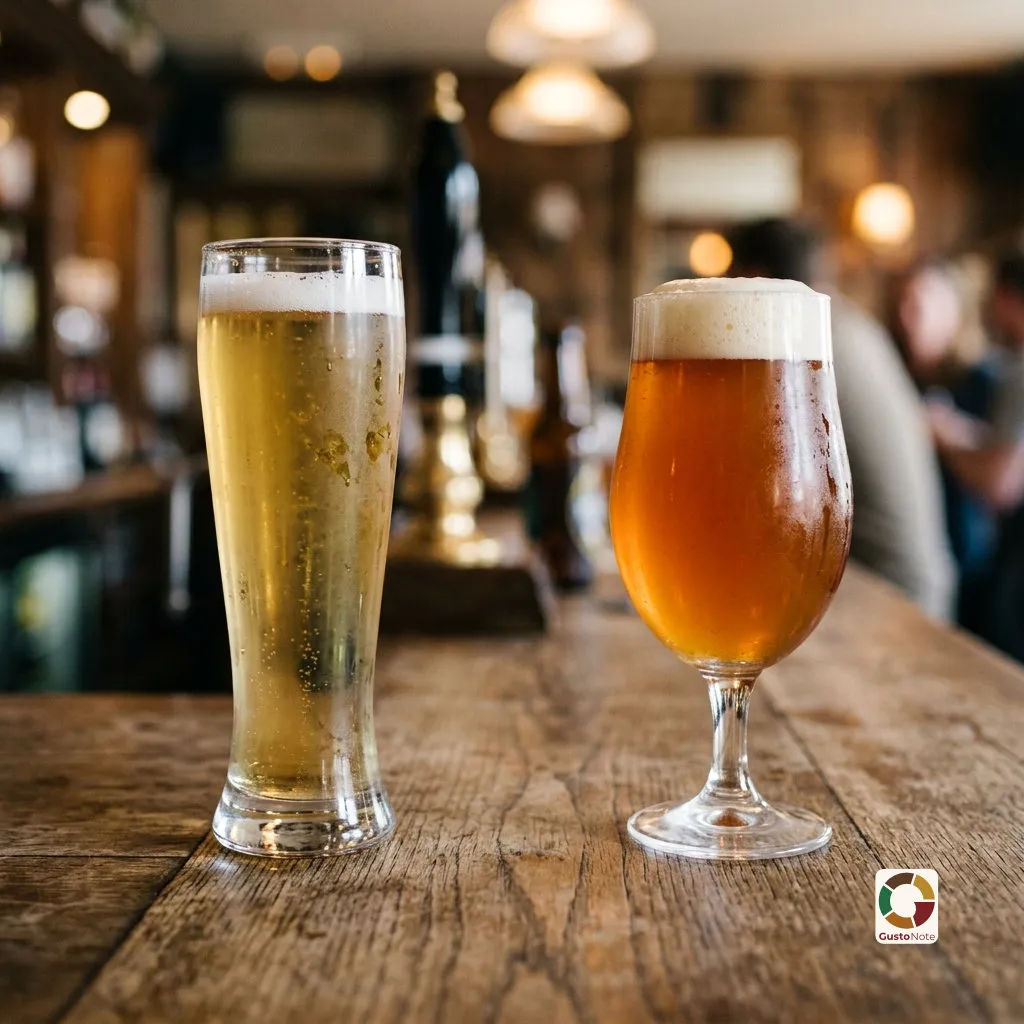
Water in beer - why Pilsen and Burton taste different
Beer is over 90% water, and its makeup decides flavour more than you think. Why the soft water of Pilsen created the pilsner and the hard water of Burton made bold pale ales, and what it means in the glass.
The beer flavor wheel and sensory - how to describe what you taste
The beer flavor wheel is a map of aromas created by Meilgaard. Learn beer sensory: the main categories of flavours and faults, how to read the wheel and how to train your palate with off-flavour kits. A guide with a table.
Non-alcoholic beer - how it is made and why it keeps getting better
How can beer have no alcohol when alcohol forms by itself from sugar? How non-alcoholic beer is made: arrested fermentation, evaporation, membranes and special yeast. Why it tastes better today.
Home brewing beer - where to start as a beginner
Want to brew your own beer? Where to start: extract brewing, basic equipment, your first batch step by step. A practical guide for beginners, without overwhelming you with technicalities.
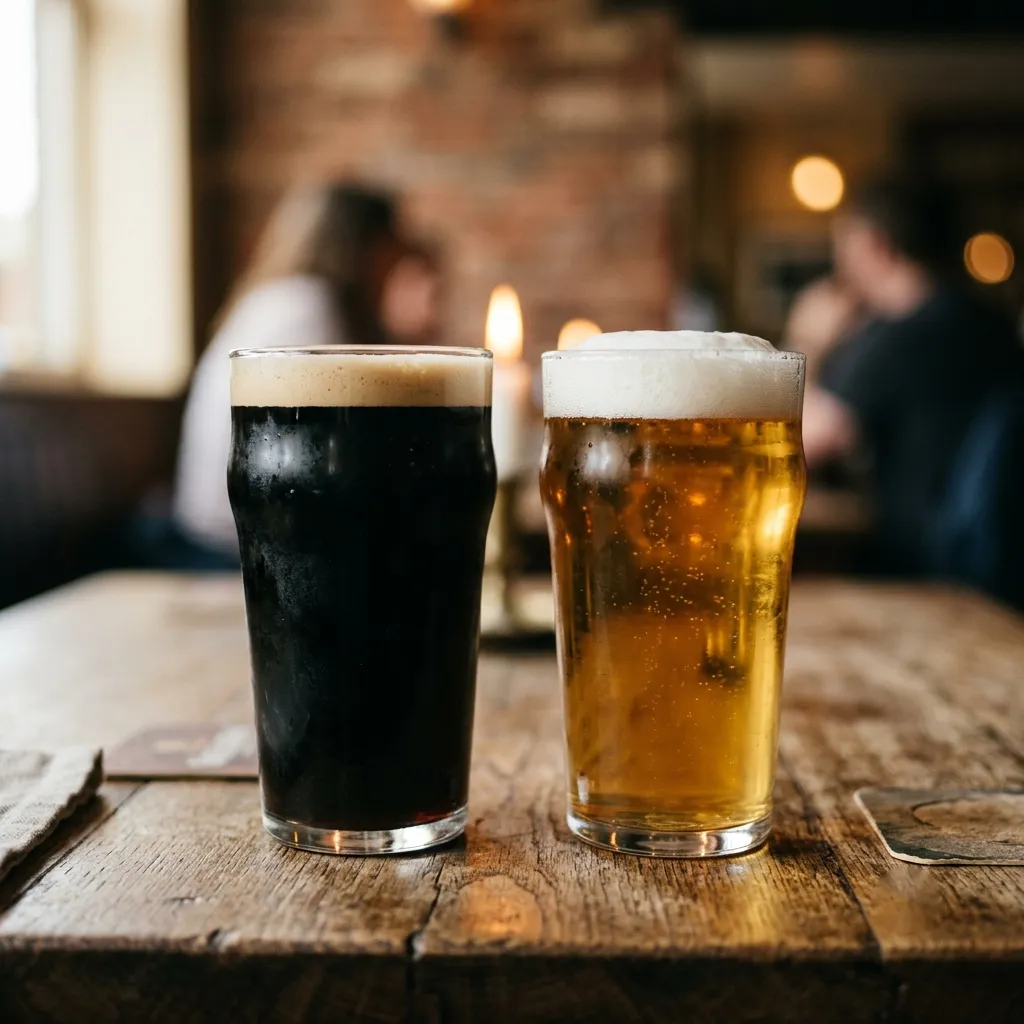
Is dark beer strong and heavy? The colour myth
A beer's dark colour comes from roasted malt, not alcohol. Guinness has less alcohol than a lager, and many dark beers are light. Where the myth comes from and what colour really tells you.
The clinking mugs poison myth - debunked, and where the custom really came from
A popular story says we clink mugs because knights sloshed beer between cups to prove there was no poison. It is a myth debunked by Snopes and Ripleys. Why the theory does not hold up, where the custom of clinking really came from, and how to clink with class today.
Adjuncts in beer: corn, rice and sugar
Corn, rice and sugar are adjuncts, unmalted raw materials added to barley malt in beer. Learn why breweries use them, how rice adds dryness, corn adds lightness and sugar adds strength, and whether an adjunct is cheating or a tool. A guide with a table.
Kveik: the Norwegian farmhouse yeast that changed brewing
Kveik is a Norwegian farmhouse yeast passed down for generations, which amazed the brewing world. It ferments lightning-fast at high temperature, yet gives a clean, fruity beer. Get to know the history of kveik, its phenomenal properties and why brewers fell in love with it. A guide with a table.
Where lager came from: the genetic mystery of bottom-fermenting yeast
Lager owes its existence to bottom-fermenting yeast, which is a hybrid of two species. One parent, a cold-tolerant species, was discovered only in 2011 in Patagonia. Get to know the fascinating genetic mystery of the birth of lager and why it ferments cold. A guide with a table.
Reused yeast: repitching and successive generations
Breweries rarely use yeast once. Repitching is harvesting yeast after fermentation and using it again, generation after generation. Get to know how yeast reuse works, how many generations you can get, why yeast mutates and why it is key to beer consistency. A guide with a table.
Lautering and sparging: separating the wort
After mashing, the sweet wort must be separated from the grain. Lautering is the separation of the wort, and sparging is the rinsing of sugars from the malt. Get to know the lauter tun, the three steps of the process and the sparging methods, and why this quiet stage decides efficiency. A guide with a table.
Wort boiling: hot break, hop isomerisation and DMS
Wort boiling is a key stage of brewing that does far more than heat. It sterilises, isomerises hops into bitterness, forms hot break from proteins and removes DMS of a cooked-corn note. Get to know what happens in the kettle during boiling. A guide with a table.
SRM and EBC: how beer colour is measured
Beer colour is measured in the SRM, EBC and Lovibond scales. Learn where they came from, how they convert, how colour is calculated from malt and why objective measurement replaced eyeballing. From straw lager to black stout. A guide with a table.
Mash pH: the brewer hidden parameter
Mash pH is one of the most important, yet least visible parameters of brewing. The optimum of 5.2-5.6 ensures efficient enzyme work, clarity and clean flavour. Learn why mash pH matters, how water affects it and how to control it. A guide with a table.
Fermentation in drinks: yeast and microbes in beer, wine, kombucha and coffee
Fermentation links beer, wine, kombucha and coffee. Learn how yeast and bacteria turn sugars into alcohol, acids and flavour, what malolactic fermentation and a SCOBY are and why different microbes give different aromas. A guide with a table.
Water as an ingredient: how it shapes beer, coffee, tea and whisky
Water is the invisible, main ingredient of beer, coffee, tea and whisky. Learn how hardness, minerals and pH shape flavour, why Burton is famous for ale and Pilsen for pilsner, and how to improve water at home. A guide with a table.
Beer styles
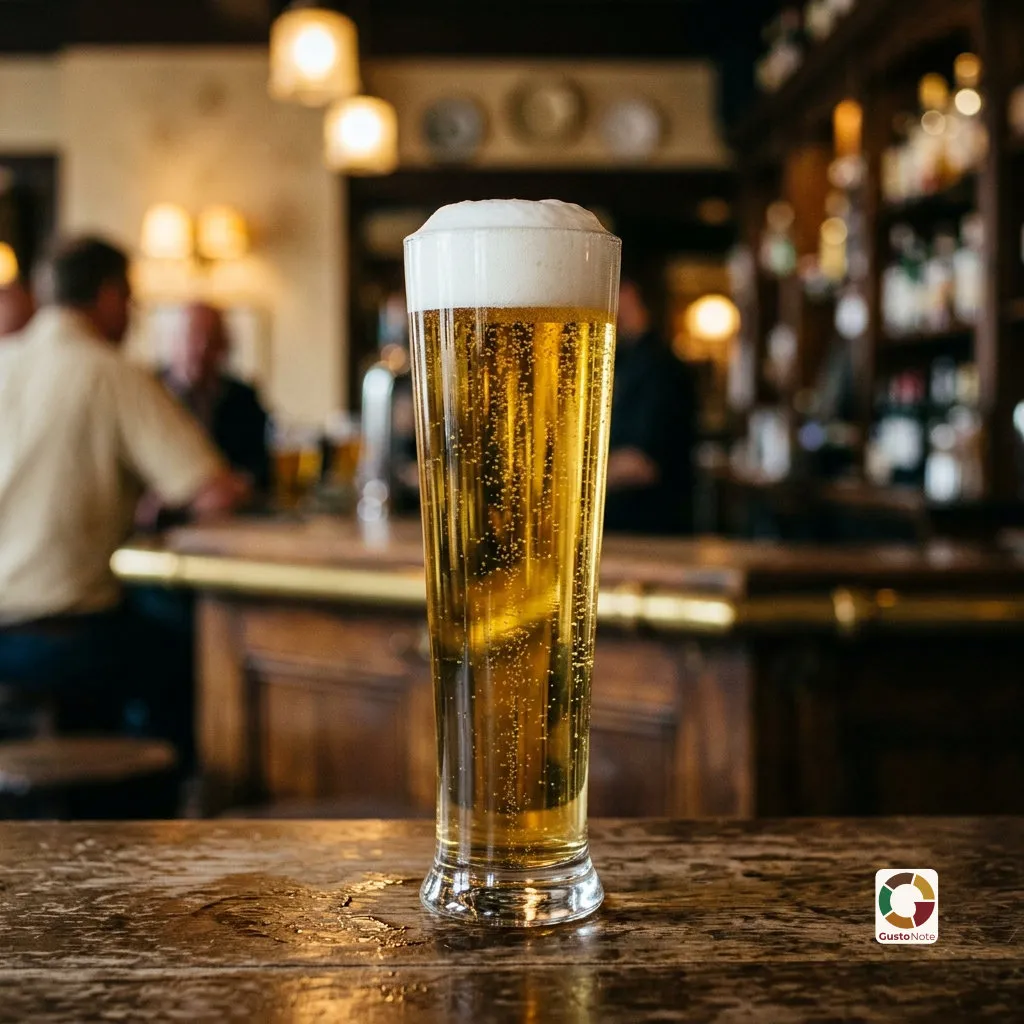
Pilsner - the most underrated beer style in the world
Pilsner was invented in 1842 in Pilsen and it gave rise to the golden lagers of the whole world. Why a real pilsner is so hard to brew, how the Czech style differs from the German, and what you should really taste in it.
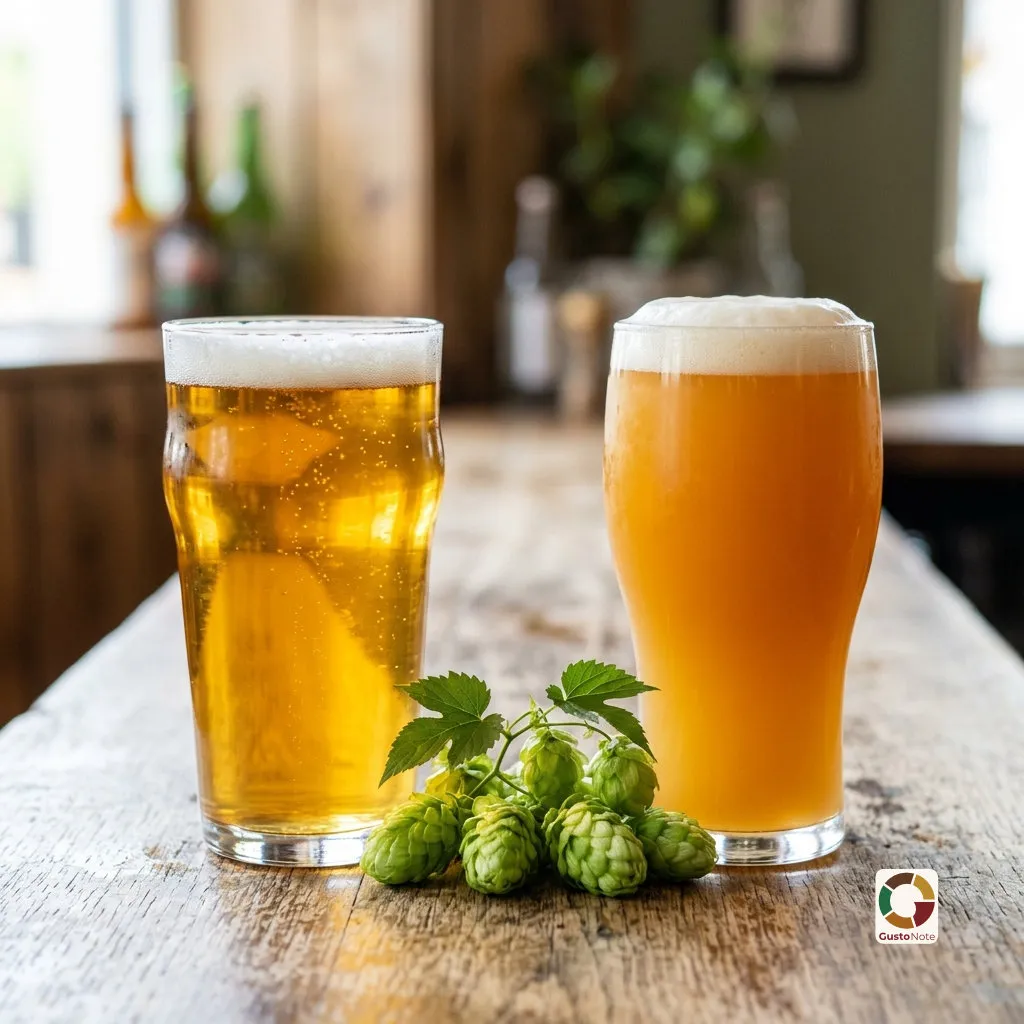
The IPA family - from West Coast to NEIPA, DIPA and session
IPA today is not one style but a whole family of hoppy beers. How English IPA differs from American West Coast, where the haze and juiciness of NEIPA come from, what DIPA and session mean, and why freshness is crucial here.
The history of IPA: from colonial myth to truth and craft
The famous myth says IPA was invented with lots of hops to survive the voyage to India. Most of this story is untrue. Learn the real roots of IPA, the role of Burton and its revival in craft. A guide with a table.
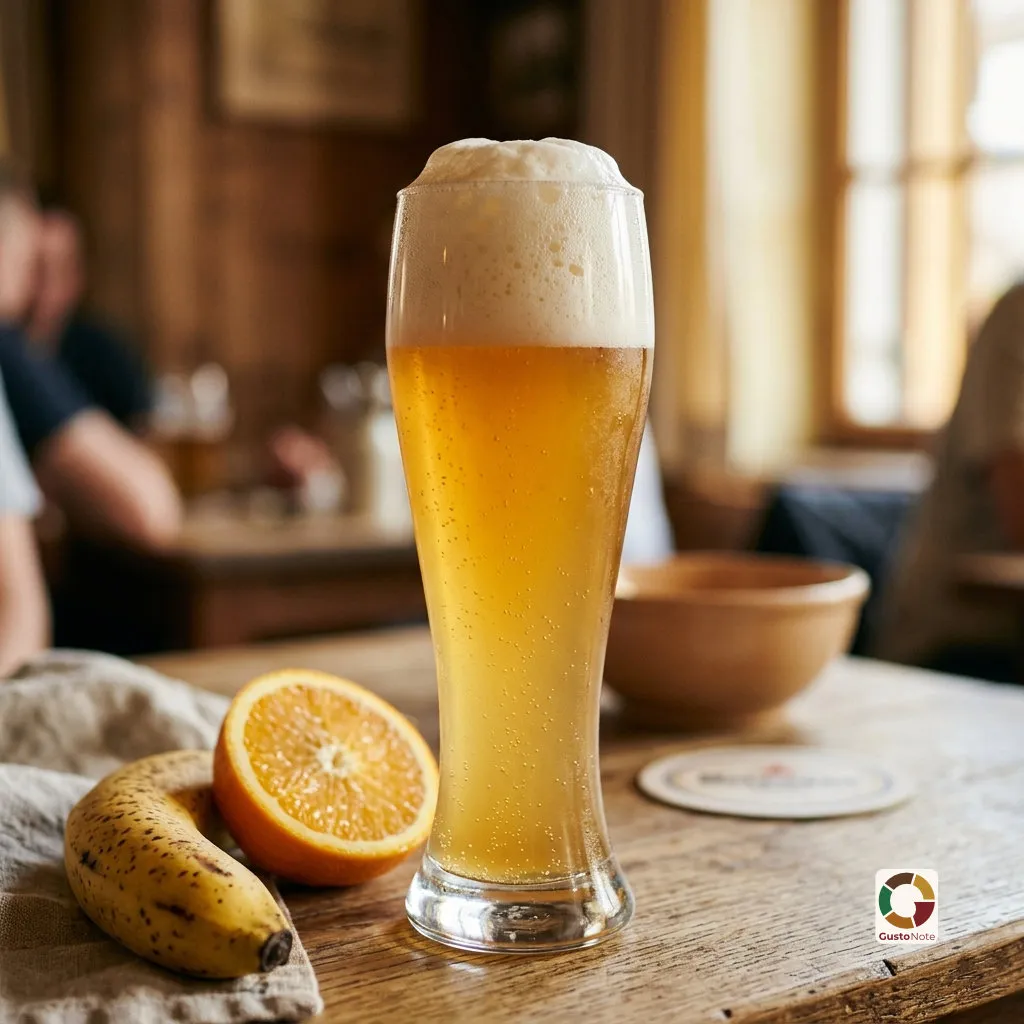
Wheat beers - weizen, witbier and gose
Beers with a large share of wheat are a whole family: banana-and-clove weizen, spiced witbier with coriander and orange, and salty-sour gose. Where these flavours come from, why some are yeast and others spice, and how to drink them.
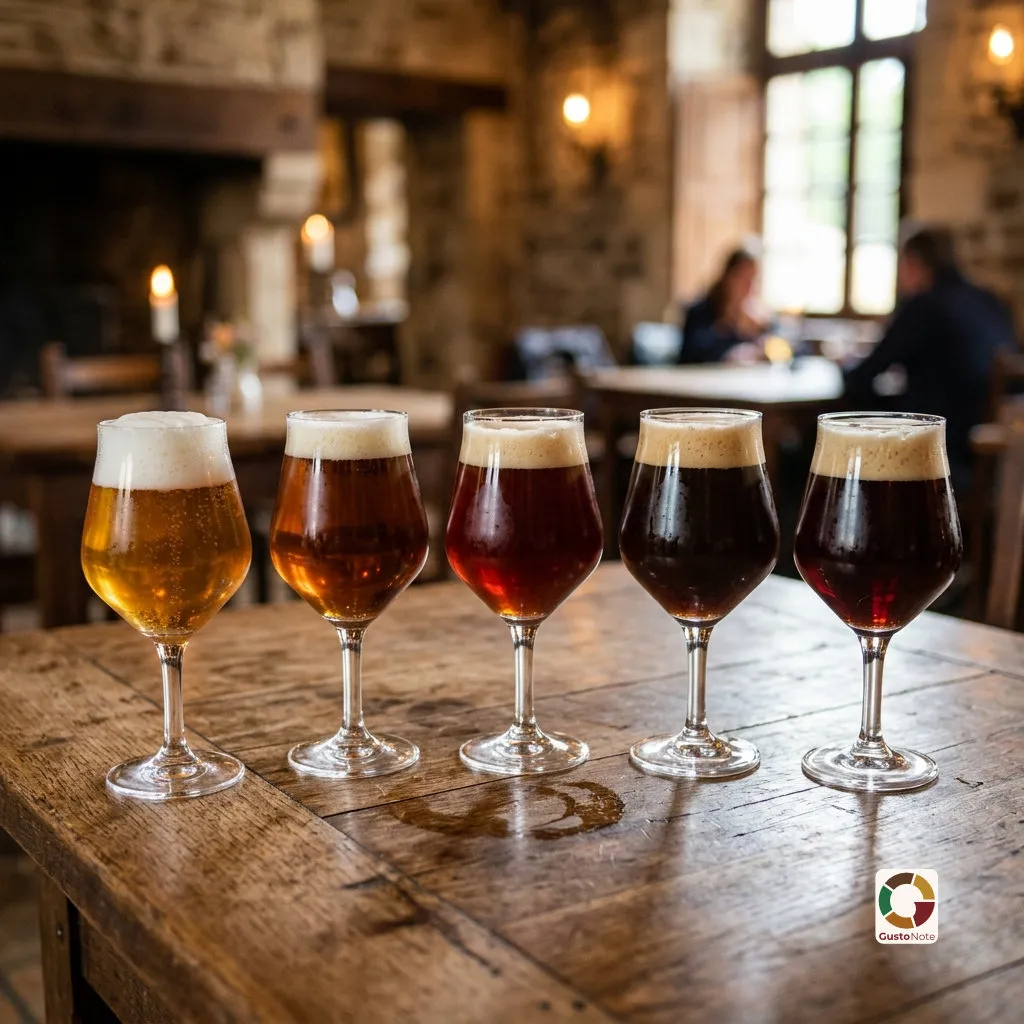
Belgian beers - dubbel, tripel, quadrupel and saison
Belgium is a beer paradise with monastic roots. How dubbel, tripel and quadrupel differ, where their fruity-spicy character comes from, what Authentic Trappist means, and why saison is a completely different beast.
Saison - the farmhouse ale of a thousand faces
Saison was born as a beer for seasonal workers in Wallonia. Today it is a dry, spicy, sparkling style of a thousand faces, where the yeast decides the flavour. Where its dryness and spice come from. A guide with a table.
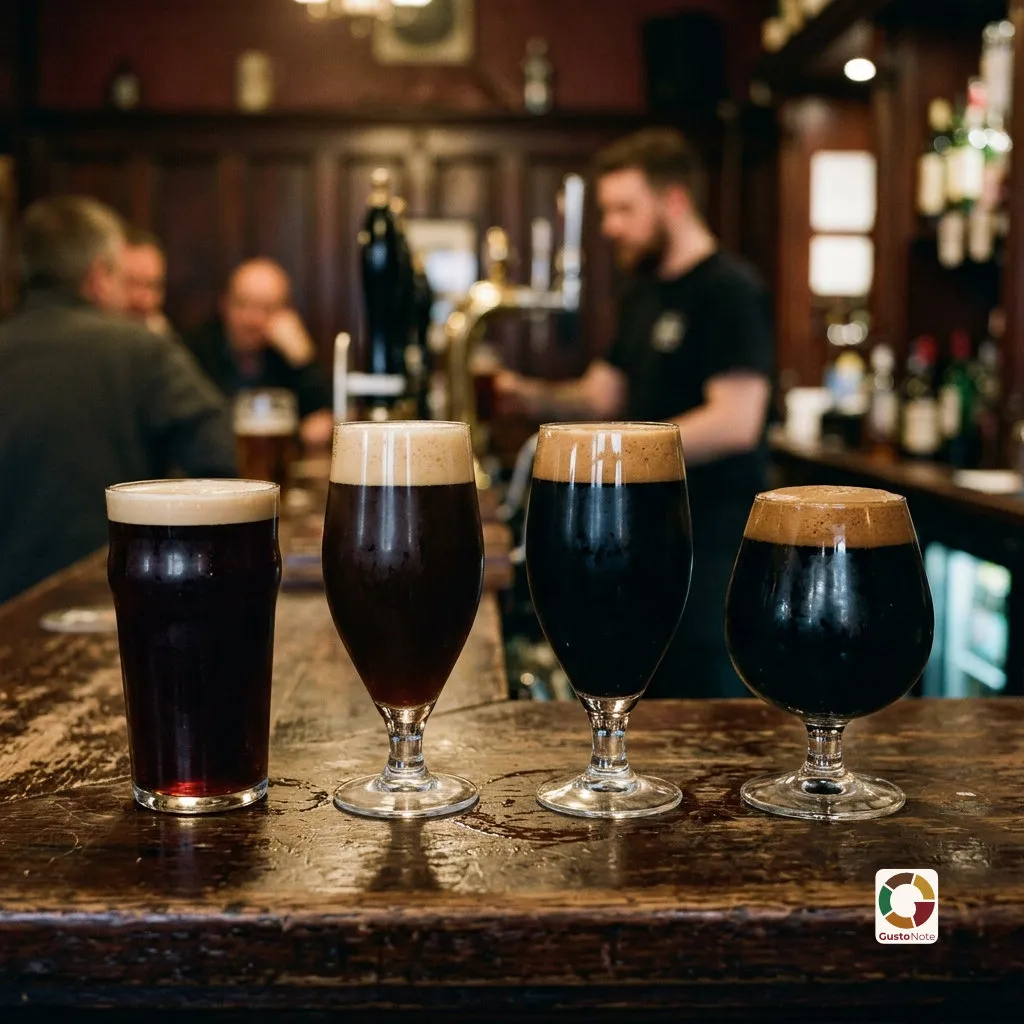
Stouts - dry, milk, oatmeal and imperial
A stout is not one heavy, black beer but a whole family. The dry Irish, the sweet milk stout with lactose, the creamy oatmeal and the mighty imperial. Where their flavours come from, why they are not as strong as they look, and how to drink them.
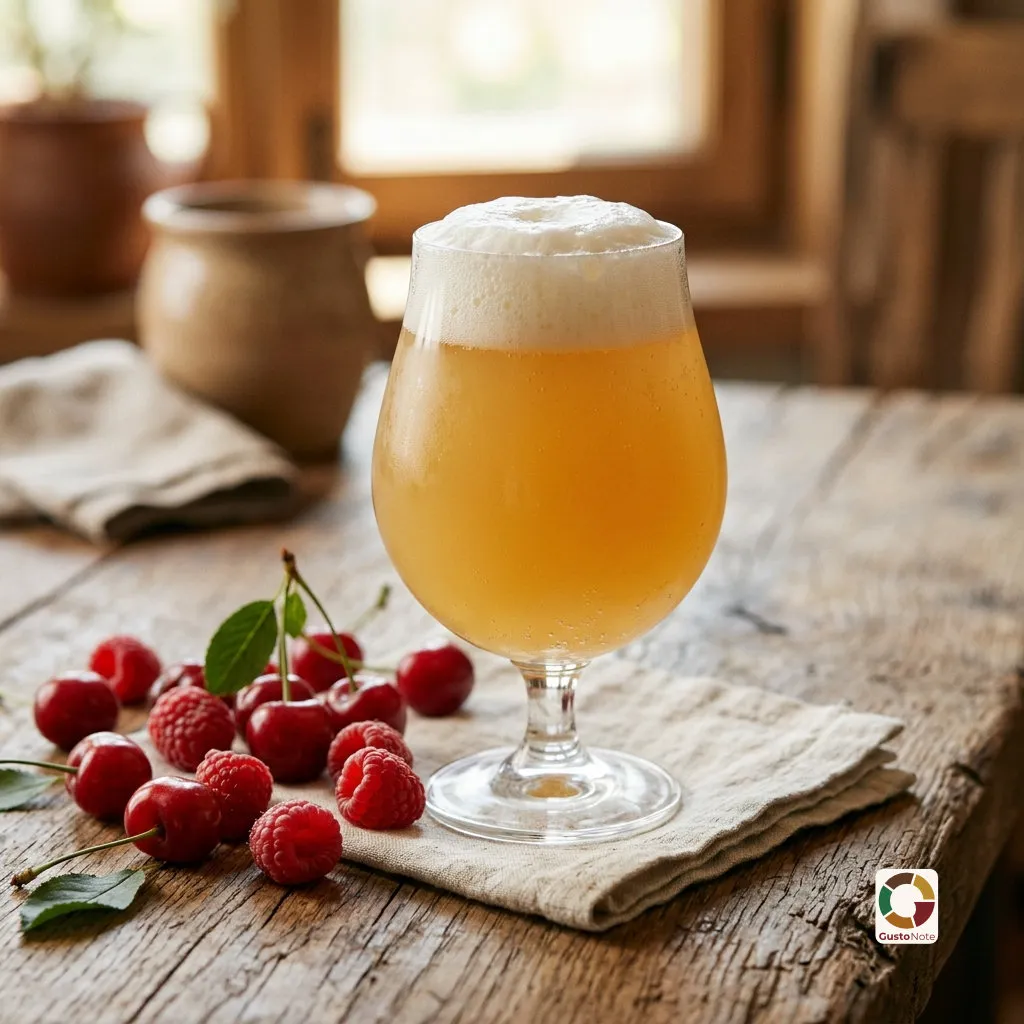
Sour beers - lambic, gose and Berliner Weisse
Sour beers are not a fault but a whole category based on bacteria and wild yeast. What lambic spontaneous fermentation is, why Berliner Weisse is cleanly citrusy and gose salty, and how to start with sours.
Modern sours: smoothie and pastry sour
After traditional lambics came a new wave of sour beers: kettle sour, smoothie sour and pastry sour. Learn quick souring, the role of lactose and fruit puree, where the trend came from and why it stirs controversy. A guide with a table.
Lambic, gueuze and the coolship - the magic of spontaneous fermentation
Beer that no one pitches with yeast. Lambic is made from wild microbes from the air over the coolship, matures for years in barrels, and gueuze is the art of blending young and old. Where this sour, wild magic comes from - a guide with a table.
Flanders red and Oud Bruin - the Belgian art of sour beer
Two sour beers from Flanders: the red from oak foeders (Rodenbach), fruity-acetic, and Oud Bruin from steel (Liefmans), more gently sour and malty. Where the acidity comes from and why blending decides. A guide with a table.
Foeder aging: mixed-fermentation beers
A foeder is a great oak vat in which beer matures for months, fermenting with wild yeast and bacteria. Get to know what a foeder is, how mixed fermentation with Brettanomyces works, the solera system and why oak vats give complex and sour beers. A guide with a table.
Bock - strong, malty lagers
Bock is a strong, malty lager with monastic roots. Where the name and the goat on the labels come from, how the pale maibock differs from the mighty doppelbock and eisbock, and why it is liquid bread.
Doppelbock - liquid bread, or how monks survived a fast on beer
In the seventeenth century Bavarian monks fasted for forty days, drinking only a strong beer called liquid bread. Doppelbock was to keep them alive when food was forbidden. Here is the story of this style, the legend of papal approval and what makes it so filling.
Baltic porter - strong, dark and a Polish contribution to beer
Baltic porter is a strong, dark beer of the Baltic region, in which Poland has a special part. Where its English-Russian lineage comes from, why it ferments like a lager despite its strength, and how it differs from imperial stout.
The history and revival of porter - from the porters of London to craft
Porter is the first mass-produced beer in the world, the favourite of 18th-century London porters. Learn about its history, the birth of stout, the Baltic offshoot, the decline and the revival in the era of craft beer. A guide with a table.
Barley wine and strong beers - wine made from barley
Barley wine is a beer with the strength of wine, reaching 12 percent alcohol. Why it is called wine though it is beer, how the English version differs from the American, and why it can be cellared for years like wine.
Rauchbier and smoked beer - a campfire in your glass
Rauchbier is a beer that tastes of smoked ham and campfire, brewed from malt dried over a beechwood fire. Where the smoky flavour comes from, why all beer once had it, what Bamberg Schlenkerla is and how to learn to love this unusual style.
Grodziskie - Poland's contribution to beer, smoked wheat
Grodziskie is a Polish beer style of oak-smoked wheat: pale, highly carbonated, dry, smoky and very light. The Polish champagne that almost died out and was revived. Where this curiosity comes from and how it tastes. A guide with a table.
Steam beer (California common) - a hybrid from the gold rush era
Steam beer, or California common, is an American hybrid: lager yeast fermented at the warmer temperature of an ale. Learn the gold rush history, the role of Anchor Steam and why it is a style between lager and ale. A guide with a table.
Hard seltzer and the limits of the definition of beer
Hard seltzer conquered the market, but is it still beer? Learn how a carbonated drink from fermented sugar is made, why it is technically not beer, yet breweries make it, and where the line of the definition runs. A guide with a table.
Winter and Christmas beers - warming styles for cold evenings
Rich, strong, spiced. Which beers for winter and Christmas: winter warmer, spiced Christmas ale, Belgian quad, strong dark beers. What warms on a frosty evening. A practical guide to the styles.
Oktoberfest beers - Märzen and Festbier, how they differ
Märzen or Festbier? Which beers are drunk at Oktoberfest, where they came from, how the malty Märzen differs from the lighter Festbier and what these styles are. A guide to the beers of the Bavarian festival.
Helles, Dunkel, Schwarzbier - three Bavarian lagers from pale to black
Three classic German lagers, one axis of colour: pale Helles, dark Dunkel and black Schwarzbier. Where the colour and malty notes come from and why the black one is not bitter. How to tell them apart - a guide with a table.
Kolsch and Altbier - Rhenish hybrids, neither ale nor lager
Two beers from two rival cities: pale Kolsch from Cologne and copper Altbier from Dusseldorf. They are hybrids - warm-fermented like ale, but cold-conditioned like lager. Where their cleanness comes from and why they are special. A guide with a table.
Imperial stout vs barley wine - the giants compared
The two strongest beer styles face off. Learn the differences between roasty imperial stout and malty, caramel barley wine: the role of malt, hops, colour and aging potential. Which to choose and how to drink them. A guide with a table.
Pilsner: Czech vs German vs modern
Pilsner has three faces. Learn the differences between Czech pilsner (Bohemian), German Pils and the modern, dry-hopped Italian-style pilsner: water, malt, hops, decoction and bitterness. Which to choose. A guide with a table.
Vienna lager: the style that nearly died out
Vienna lager is an amber beer style created by Anton Dreher in 1841, which nearly died out in Austria and was saved by... Mexico. Learn the history of this style, Vienna malt, its flavour and its remarkable journey across the ocean. A guide with a table.
Mild, brown ale and forgotten British beer styles
Before IPA conquered the world, British pubs lived on mild and brown ale. Light, malty, sessionable beers of working men that nearly vanished. What mild is, where brown ale came from, why they declined and how craft is rediscovering them.
Scotch ale and wee heavy - malty strength from the north
Scotch ale, also known as wee heavy, is a strong, malty, nearly hopless beer from Scotland. Where the name comes from, why caramel and toffee dominate, why Scots brewed differently from the English, and how to taste it.
Lost and revived beer styles - Kentucky Common, Lichtenhainer, Mumme
Some beer styles almost vanished entirely, only to come back to life years later thanks to enthusiasts. Kentucky Common from Louisville, the smoky-sour Lichtenhainer of students from Jena and the seafaring Mumme of the Hanseatic League are forgotten drinks with a fascinating history. Here is the story of beers that nearly perished forever.
Regions and culture
Czech beer - why the best and the most
Czechs drink more beer than anyone in the world, and Plzen gave its name to the entire pilsner style. Where the first golden beer came from, what Saaz hops and decoction are, why Czech lager tastes fuller than other lagers and what tank beer is.
Czech beer pours - hladinka, šnyt, mlíko and čochtan
In a Czech pub you do not simply order a beer but a specific pour: hladinka, šnyt, mlíko or čochtan. Each has a different amount of foam and a different character, and ordering the wrong one immediately reveals a tourist. Here is a guide to the Czech art of pouring, in which foam is the heroine.
Czech degrees and tank beer: 10°, 12° and beer from the tank
Czech beer is described in degrees Plato: desitka (10°) and dvanactka (12°). And tank beer is unpasteurised beer from a large tank under the bar, of a fresher, more vivid flavour. Learn what Czech degrees mean and what tank beer is. A guide with a table.
The Czech beer coaster is the pub language - tally marks are your tab, mat on the glass means enough
In a Czech pub the beer coaster is not decoration but your tab. The waiter marks a line for every beer, and the next one comes on its own. When you have had enough, you put the coaster on top of your glass. How the system works, what uz si nedam means, and how not to look like a tourist over Czech beer.
Germany and the Reinheitsgebot - the beer purity law of 1516
The Reinheitsgebot is the famous German beer purity law of 1516, which limited the ingredients to water, malt and hops. Where it came from, why it did not mention yeast, how it protected bread and why it is now criticised for holding back the beer revolution.
Belgium - beer paradise, a country of a thousand flavours
Belgium is the beer mecca of the world, where monks, wild yeast and centuries of tradition created styles that cannot be copied. What Trappist beers, dubbel, tripel and quadrupel are, where sour lambics come from, why Belgian yeast smells of fruit and spice.
British ale, cask and real ale - beer from the hand pump
British real ale is living beer that matures in the cask it is served from, poured slightly cool and without added gas. What cask and the hand pump are, where the CAMRA movement comes from, how bitter differs from ESB and why warm beer is a myth.
The British pub: you order at the bar, and last orders and a lock-in are no mystery
In a British pub you order at the bar and pay right away - waving at a waiter is a tourist faux pas. Last orders is the signal for a final round before closing, and a lock-in is the legendary after-hours gathering. How the pub works, what these phrases mean, and how to order beer like a local rather than a lost visitor.
The British round - how to buy rounds in a pub and not come across as stingy
In a British pub everyone in turn buys a round for the whole group, and slipping away before your turn is a social black mark. Here are the unwritten rules of the round: when to get up for a round, why you must be generous and proactive, and how not to commit one of the most stigmatized faux pas of British pub culture.
The dirndl bow - a discreet code that reveals marital status
The position of the apron bow on a Bavarian dirndl is a discreet signal: the left side means single, the right taken, and the center has separate meanings. Here is how to read this code at Oktoberfest, where it came from, and why it is worth knowing before you comment on someone outfit.
Stammtisch - the regulars table you do not sit at without an invitation
In a German pub one table is often reserved for the regulars - the Stammtisch, marked with a Reserviert fur Stammgaste sign. Taking it without an invitation is a faux pas, and receiving an invitation is an honor. What a Stammtisch is, how to recognize the sign, and how to behave in a German pub so as not to sit in someone elses place.
Syrup in beer? With Berliner Weisse, rot oder grun is tradition, not a faux pas
Adding sweet syrup to beer sounds like a faux pas, but with Berlins Berliner Weisse it is an authentic tradition. The waiter asks rot oder grun, meaning red raspberry or green woodruff. Where this custom came from, why syrup fits here, what Champagne of the North means, and how to order this sour beer like a local.
The Polish craft beer revolution - what to drink
In the past decade Poland went through a real beer revolution: from a few dull lagers to hundreds of craft breweries and thousands of beers. Where Atak Chmielu came from, what craft beer is, which styles to drink first and how to tell craft from marketing.
Trappists - what Authentic Trappist Product means
Trappist beers are among the most famous in the world, but only a handful of breweries may carry the hexagonal Authentic Trappist Product logo. What exactly it means, why monks brew beer, how a Trappist differs from an abbey beer and which breweries belong to the elite.
Craft vs macro beer - how they really differ
Craft or macro? How craft beer differs from macro: scale, ownership, methods and philosophy. What craft really means and whether it always means better. An honest guide, no snobbery.
Sneering at lager is a snob faux pas, not a mark of a connoisseur
Mocking someone for drinking an ordinary lager is today considered the behavior of a snob, not a connoisseur. Paradoxically, lager requires greater skill than many showy beers, because every flaw shows in it. Here is why beer snobbery is worse than wine snobbery and why taste is subjective.
The economics of a brewery - why craft costs more
Why does craft beer cost more than macro? Learn the economics of a small brewery: no economies of scale, expensive ingredients, equipment, excise, distribution and thin margins. See where the money from beer really goes. A guide with a table.
Kvass, sahti, gruit - prehistoric and regional beers
Before hops dominated beer, there were gruit (herb beer), sahti (Finnish juniper beer) and kvass (Russian bread drink). Learn the ancient and regional styles from before the hop era. A guide with a table.
Beer from King Midas tomb - how a drink from 2700 years ago was recreated
From residue in vessels from the tomb attributed to King Midas, a drink from 2700 years ago was recreated. It turned out to be a mixture of beer, wine and honey, far from our divisions today. Here is the story of this discovery and what it says about what ancient beer really was.
The Code of Hammurabi - the oldest beer law from almost 4000 years ago
One of the oldest law codes in the world, the Code of Hammurabi, contains rules about beer. A tavern-keeper who cheated on the price faced drowning. Here is what the Babylonian ruler regulated regarding beer and what it tells us about the role of this drink in antiquity.
The worlds oldest industrial brewery - beer that powered the birth of Egypt
At Abydos in Egypt the oldest known industrial brewery was discovered, over 5000 years old. It could produce beer for thousands of people in a single batch. Here is how this ancient facility worked and what it tells us about the role of beer at the dawn of Egyptian civilization.
Chicha - the beer brewed with saliva, or how the Andes chewed corn
In the Andes chicha has been brewed for thousands of years, and in the oldest tradition corn was chewed so that enzymes in saliva would break down starch into sugars. It sounds shocking, but it is brilliant chemistry. Here is how this ancient beer is made and why saliva did what malting does today.
The history of beer - from Sumer through the Middle Ages to the Industrial Revolution
Beer is one of the oldest drinks of humanity. Learn its history: from the Sumerian goddess Ninkasi, through medieval monasteries and hops, to the Industrial Revolution, Pasteur and the birth of lager. A guide with a table.
The medieval beer instead of water myth - did people really fear drinking water
There is a story that in the Middle Ages people drank weak beer because water was deadly. Historians debunk this myth. People drank water normally, and chose beer for calories and taste. Here is where this myth came from and how it really was.
The London Beer Flood of 1814 - when a wave of porter swept the streets
In 1814 a giant vat of porter burst in a London brewery and a wave of beer demolished walls and killed eight people. How the disaster happened, why the court ruled it an act of God and how it changed the way beer is stored.
Beer soup for breakfast - when the day began with beer
For centuries Europe started the day with a warm soup of beer, egg yolks and bread. Biersuppe was the breakfast of rulers and townsfolk, and Frederick the Great promoted it against coffee. Where it came from, how it was made and why it vanished.
Allsopps Arctic Ale - the typo that turned pennies into a fortune
A bottle of beer brewed in 1852 for an Arctic expedition was listed at auction with a typo in the name and went for pennies. Someone spotted its value, corrected the typo and sold it for a fortune. Here is the story of this remarkable bottle and a lesson about the power of a detail.
Cock ale - the 17th-century beer brewed with a boiled rooster
Cock ale was an old English beer flavored with the meat of a parboiled rooster, raisins and spices, regarded as an aphrodisiac and a restorative drink. King William III was said to prefer it to any wine. Here is the story of this curious beverage and of how broad the definition of beer once was.
When poisons were added to beer - the Victorian adulterers
In old England dishonest adulterers added cocculus indicus with toxic picrotoxin and the seeds of nux vomica, a source of strychnine, to fake strength and bitterness cheaply. Here is the story of this dark practice, the chemist Frederick Accum who exposed it, and how the fight against food adulteration changed the law.
Practice and serving
How to read a beer label - extract, IBU, hops and alcohol
Extract, IBU, hops, malts and yeast - what a craft beer label really tells you and how to tell what is in your glass before you open the bottle.
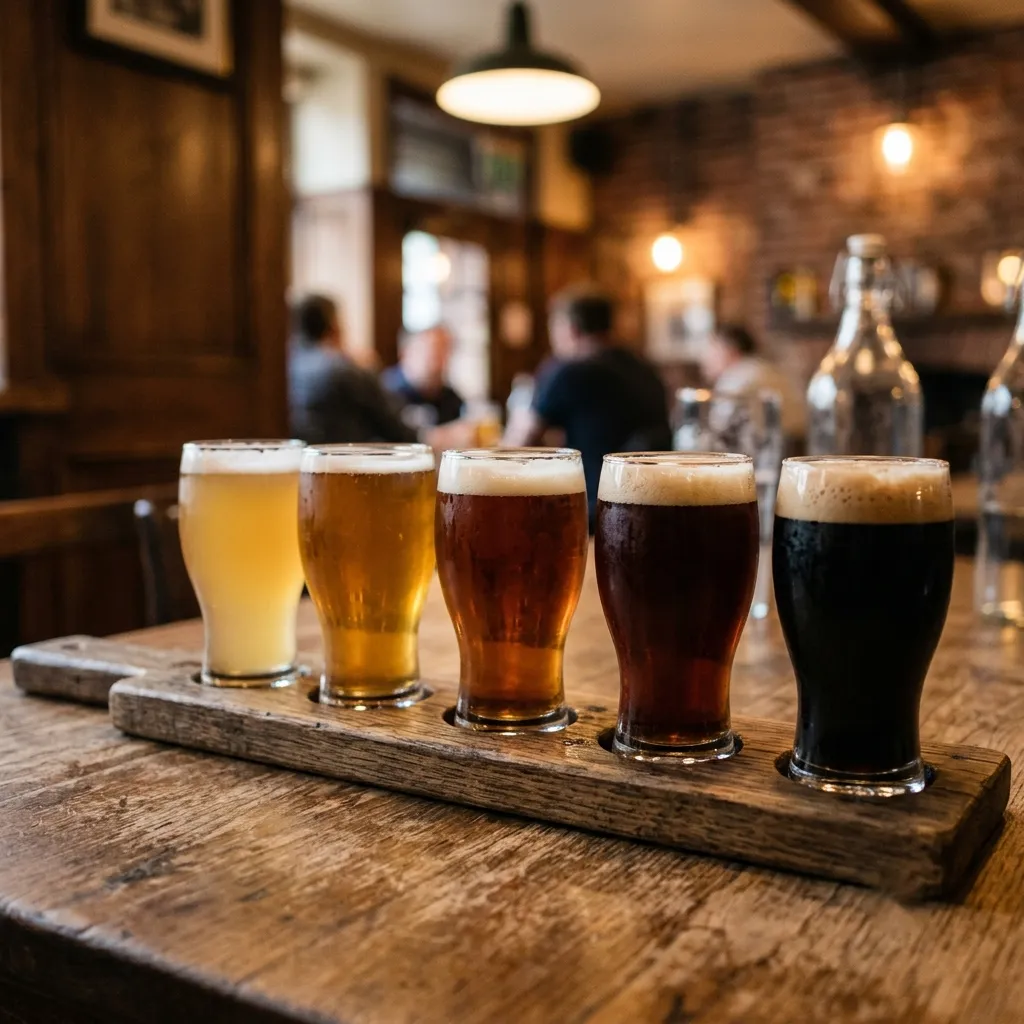
How to host a beer tasting - flight, order and glassware
A beer flight is several small samples side by side instead of one big pint. What theme to pick, what order to serve in, in what glass, and how to compare so you really feel the style differences.
Bottle share - how to share rare beer in a group without a faux pas
A bottle share is a gathering where strong and rare beers are shared in small pours, like a wine tasting. It has its own rules: bring something worthwhile, pour small measures, do not take samples home. How a bottle share works, what its etiquette is, and how to behave with class among beer lovers.
Which beer glass for which beer - and does it really matter
Pint, goblet, tulip, weizen, snifter. Where the shapes come from, what they really do to aroma and head, and which beer to pour into which vessel. A guide without snobbery.
What temperature to drink beer - why ice-cold is a mistake
Ice-cold beer quenches thirst but kills flavour. Which temperature suits which style, why frost mutes aroma and how to chill beer without overdoing it. A practical guide.
How to pour beer properly - the art you did not know
The same beer poured well and poured badly is two different drinks. The 45-degree angle, two phases, the right head. How to pour from bottle, can and tap so beer tastes as it should.
The German toast: look them in the eye, or risk seven years of bad luck
When raising a toast with beer in Germany, you must look into the eyes of every person you clink with, because a lack of eye contact risks, according to a humorous legend, seven years of bad luck. Here is where this custom comes from, what Prost really means, and how not to commit a faux pas at a German table.
Nitro vs CO2 - where the creamy head of stout comes from
Why does Guinness have a velvety, creamy head, while ordinary beer has lively bubbles? Because it is charged with nitrogen (nitro), not carbon dioxide. Learn the difference between nitro and CO2, the cascade in the glass and which beers like nitrogen. A guide with a table.
Does beer expire - the truth about best before dates
Is beer drinkable past its date? What the date on a can means, how light and oxygen ruin the flavour and why beer gets skunked. How long it lasts and how to store it to keep it fresh.
Skunky beer - why green bottles stink (lightstruck)
Why does beer from a green bottle sometimes reek like a skunk? It is the lightstruck fault - light reacts with the hops, creating a compound almost identical to skunk spray. Learn the physics of the phenomenon and how to avoid it. A guide with a table.
Beer faults - oxidation, DMS, diacetyl, autolysis
Cardboard, cooked corn, butter, rubbery yeastiness - these are the classic beer faults. Learn about oxidation, DMS, diacetyl and autolysis: where they come from, how to recognise them and when they are a fault and when not. A guide with a table.
Can you age beer - and which really gains with time
Drink most beers fresh, but some mature like wine. Which styles suit cellaring, how long, how to store them and what happens in the bottle over the years.
Can or bottle - does beer really taste different
Can versus bottle is an age-old beer dispute. Does glass give better beer, or does a can spoil the flavour with metal? What science says about light, oxygen and quality, and what really matters.
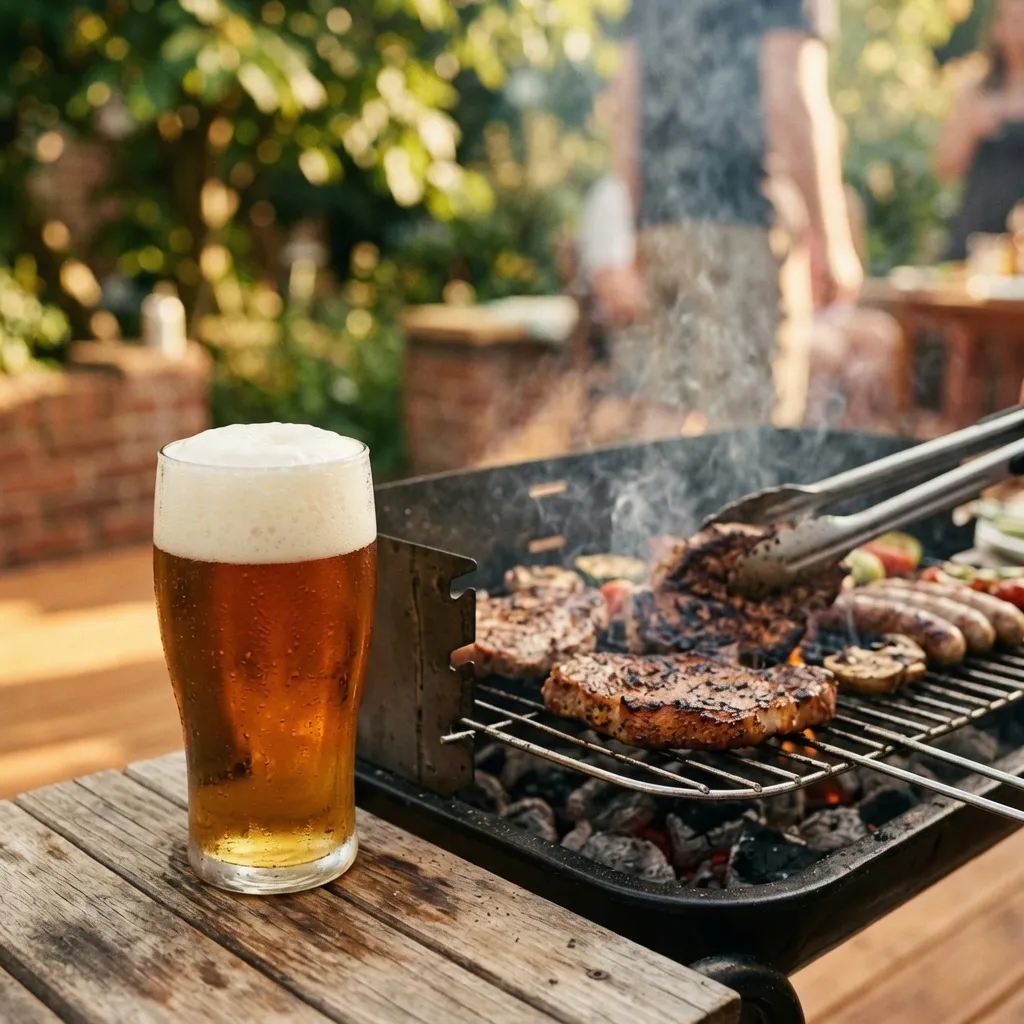
Beer for the grill - how to match the style to what is on the rack
Pork, sausage, fish, vegetables and spicy sauce all call for different beers. A simple guide to which styles work with the grill, what cools the heat, and why not to drown everything in lager.
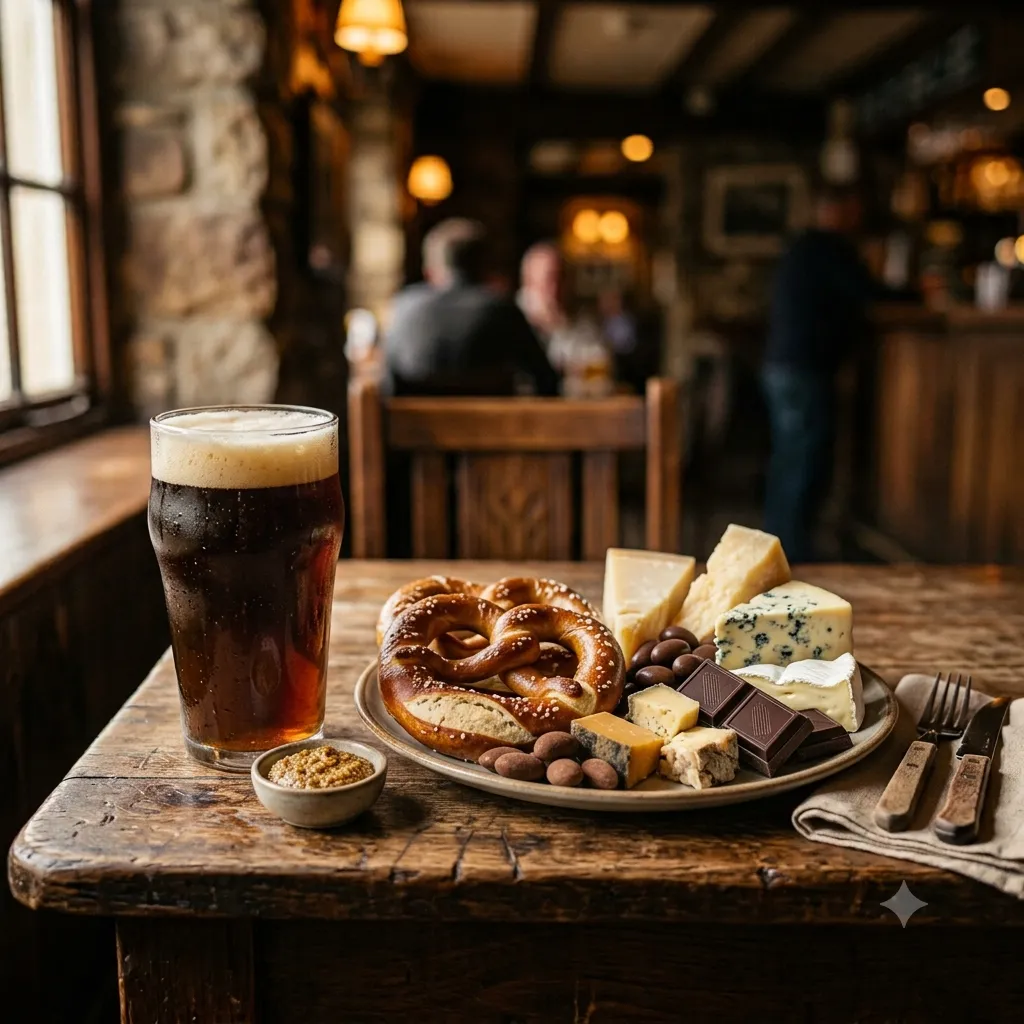
How to pair beer with food - and beat wine at its own game
Beer pairs with food just as well as wine, often better. Three simple rules and concrete pairings, from a light lager to an imperial stout.
Beer with pizza, burgers and Asian food - what to choose
Which beer goes with pizza, burgers and Asian dishes? Concrete tips: lager for spicy, IPA for rich, porter for curry. A practical guide to matching beer with your favourite food.
Beer and cheese - how to match them and why it beats wine
Beer and cheese is a brilliant, underrated combination - often better than wine. How to match beer with cheddar, blue cheese or mozzarella and what rules govern this pairing.
Beer and dessert - sweet pairings that work
Beer with dessert beats wine hands down. Strong stout with chocolate, porter with ice cream, barley wine with cakes. How to match beer with sweets, which pairs work and what to keep in mind.
Advanced beer pairing: contrast, bridge, cleanse
Pairing beer with food is not guesswork, but a few simple rules. Learn the three pillars - complement, contrast and palate cleansing - plus the role of carbonation and hop bitterness. Find out which combinations to avoid. A guide with a table.
Beer cocktails - michelada, radler, shandy and beer floats
Beer is not only a drink in itself but also a base for refreshing cocktails. Michelada, radler, shandy, beer float - where they came from, how to make them, which beer to choose and why they are a great idea for the heat.
How many calories beer has and where the beer belly comes from
Does beer make you fat? How many calories in a pint, where the calories come from and whether the beer belly is a myth. Concrete numbers and an honest explanation, no scaremongering, no myths.
Beer hangover - why it happens and how to avoid it
Where a beer hangover comes from, why dark beers can give a worse one and how to genuinely reduce it. The role of congeners, dehydration and pace. Honest, proven tips, no miracles.
Untappd - how to read beer ratings and why to log them
Untappd is a beer journal and social network. How it works, how to read ratings and badges, why to log tastings and how to approach community ratings sensibly. A practical guide.
BJCP style guidelines - how to read beer style guidelines
BJCP is the most popular catalogue of beer styles in the world. Learn how to read the guidelines: the OG/FG/IBU/SRM/ABV parameters, the aroma and flavour descriptions, and why styles exist at all. A guide with a table.