Beer yeast - the invisible flavour maker
Malt and hops appear on the label, while yeast works quietly and usually gets no mention. That is a mistake, because yeast is the invisible flavour maker of beer. It does far more than make alcohol, and it can turn an identical brew into two completely different beers.
What yeast actually does
Yeast is a living microorganism that, during fermentation, eats the sugars from the malt and turns them into three things: alcohol, carbon dioxide and a whole range of aroma compounds. The first two are obvious, the third is the secret of flavour. The by-products of its work give beer fruity, spicy or floral notes that neither the malt nor the hops contributed.
It divides lager and ale
The most important split in the beer world comes precisely from yeast:
- Top-fermenting yeast makes ales. It works at higher temperatures and creates more aroma, hence the fruity, fuller character.
- Bottom-fermenting yeast makes lagers. It works at lower temperatures and makes a cleaner, drier beer with fewer by-product aromas.
Same malt and hops, different yeast, and a completely different beer in the glass. I break this down further in lager vs ale.
Signature flavours from yeast
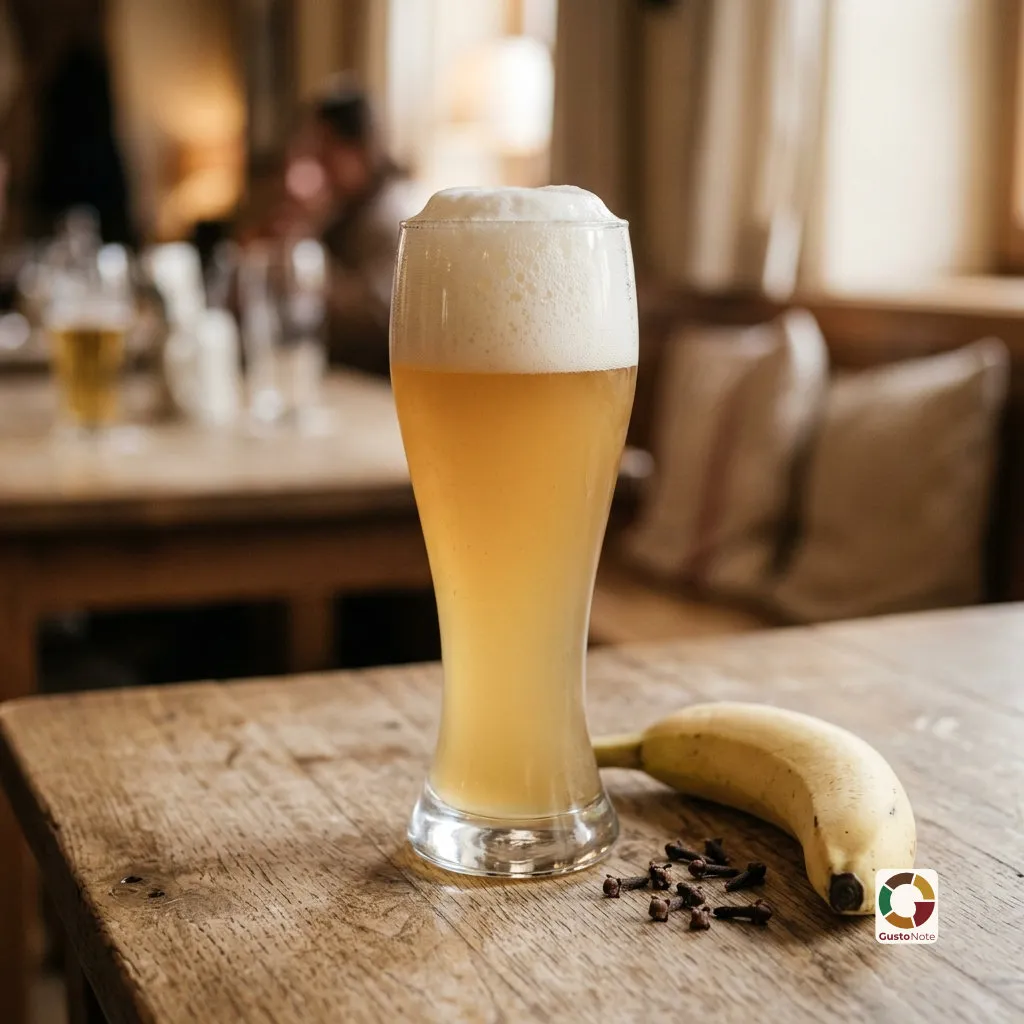
- Banana and clove in a wheat weizen are pure yeast work.
- Pepper and spicy dryness in a Belgian saison - the same.
- The clean, cool profile of a pilsner is yeast deliberately making little aroma.
How to taste its trace
- Look for notes the malt and hops do not explain - banana, pear, clove, pepper. That is the yeast signature.
- Pay attention to dryness versus sweetness in the finish. The yeast decides how much sugar is left.
If you want to see where the yeast works in the whole process, go back to how beer is made. In GustoNote you note these aromas for every beer and over time you will see whether you lean toward yeasty ales or clean lagers.