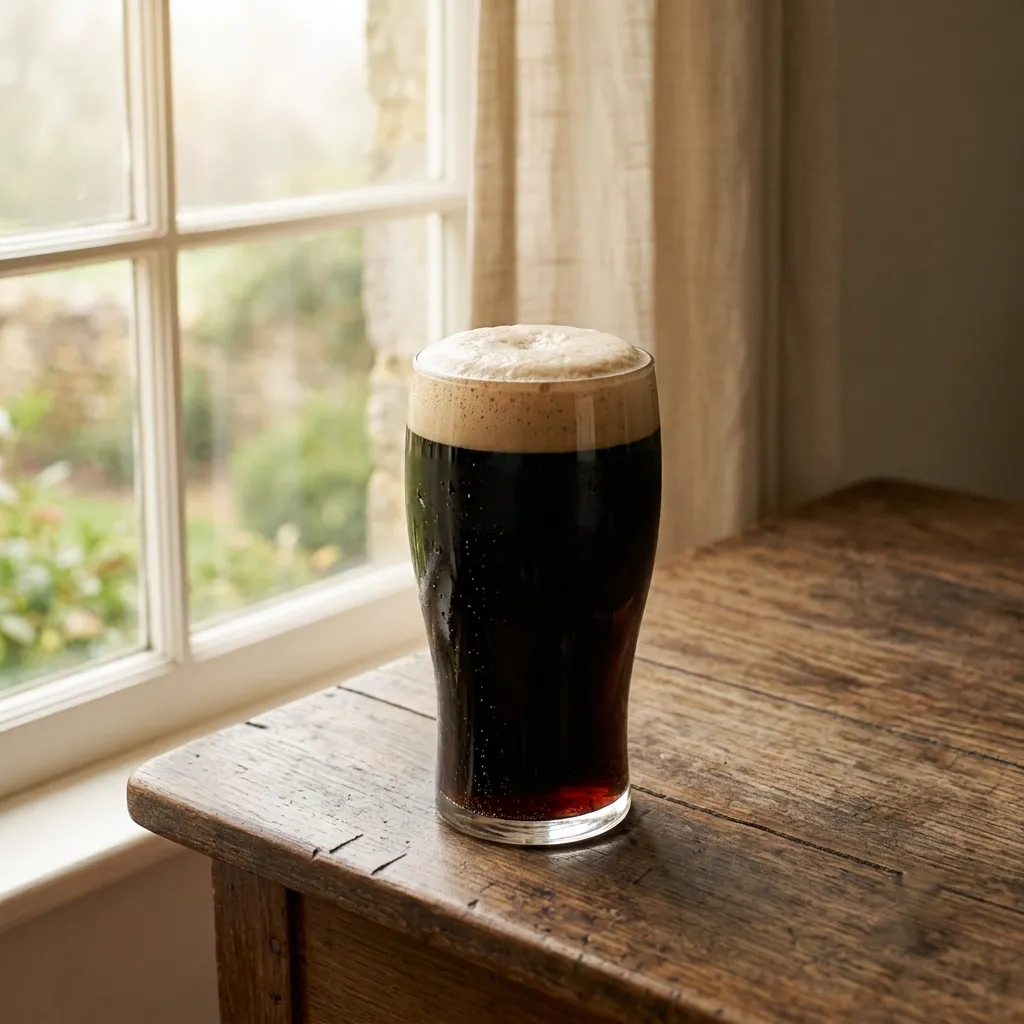
Dark beers without fear - porter, stout and what is inside
Dark beer scares people off by its look. Black, thick, with a creamy head - it looks heavy and strong, like espresso with alcohol. Most people walk past it in the shop and reach for the pale and safe. And it is one of the most unfair reflexes in the beer world, because dark beers can be surprisingly mild, and flavour-wise it is often the most interesting shelf. Let us break them down.
Where the dark colour and coffee flavour come from
The whole secret is malt. Just as bread gets darker and more intense the longer you bake it, barley roasted more strongly gives dark malts. They give the beer its colour and all those notes: coffee, cocoa, chocolate, caramel, sometimes a burnt crust or dried plum. These are not additives, just heavily roasted grain. You will find more about malts and the label in the post how to read a beer label.
Myth one: dark means strong
The most common misunderstanding. The colour of a beer says nothing about its alcohol content. A classic Irish stout, the most famous one poured from the tap, is often around 4 percent - less than many a pale lager. The dark colour comes from the malt, not the strength. There are strong dark beers, of course, but dark and strong are two different things.
Myth two: dark means heavy
Not necessarily either. Many dark beers are lighter and more drinkable than they look. The creamy head and dark colour suggest density, but in the mouth they can be smooth and even refreshing. A dry stout can be lighter than a sweet, heavily hopped pale.
A short guide to the dark family
- Porter - coffee, chocolate, caramel, medium body. A great start with dark beers.
- Stout - a similar direction, often more roasted and dry. A dry Irish stout is light, an imperial stout is a strong, dense beast at the other end of the scale.
- Milk stout - with added lactose, sweeter and smoother, notes like coffee with milk.
- Baltic porter - a Polish speciality, stronger, bottom-fermented, plum, chocolate, raisins. Perfect in the evening.
How to drink them so they taste good
- Do not drink them ice-cold. Too cold a dark beer hides all the flavour. Take it out of the fridge a few minutes earlier - at 10-12 degrees the coffee and chocolate come out fullest.
- Start with a porter or a milk stout - mild and friendly. Leave the imperial stout for later.
- Pair with dessert - dark beer and chocolate or cheesecake is a classic for a reason.
Write down what you taste in them
Dark beers are a great field for naming flavours: is it more coffee, or cocoa, or maybe burnt crust and plum? In GustoNote you can mark the style, malts and aromas on the wheel for each beer, and rate the body and bitterness on the radar. After a few entries you will see for yourself whether you lean towards dry, roasted stouts or rather sweet, chocolatey ones - and you will stop skipping the most interesting shelf in the shop.