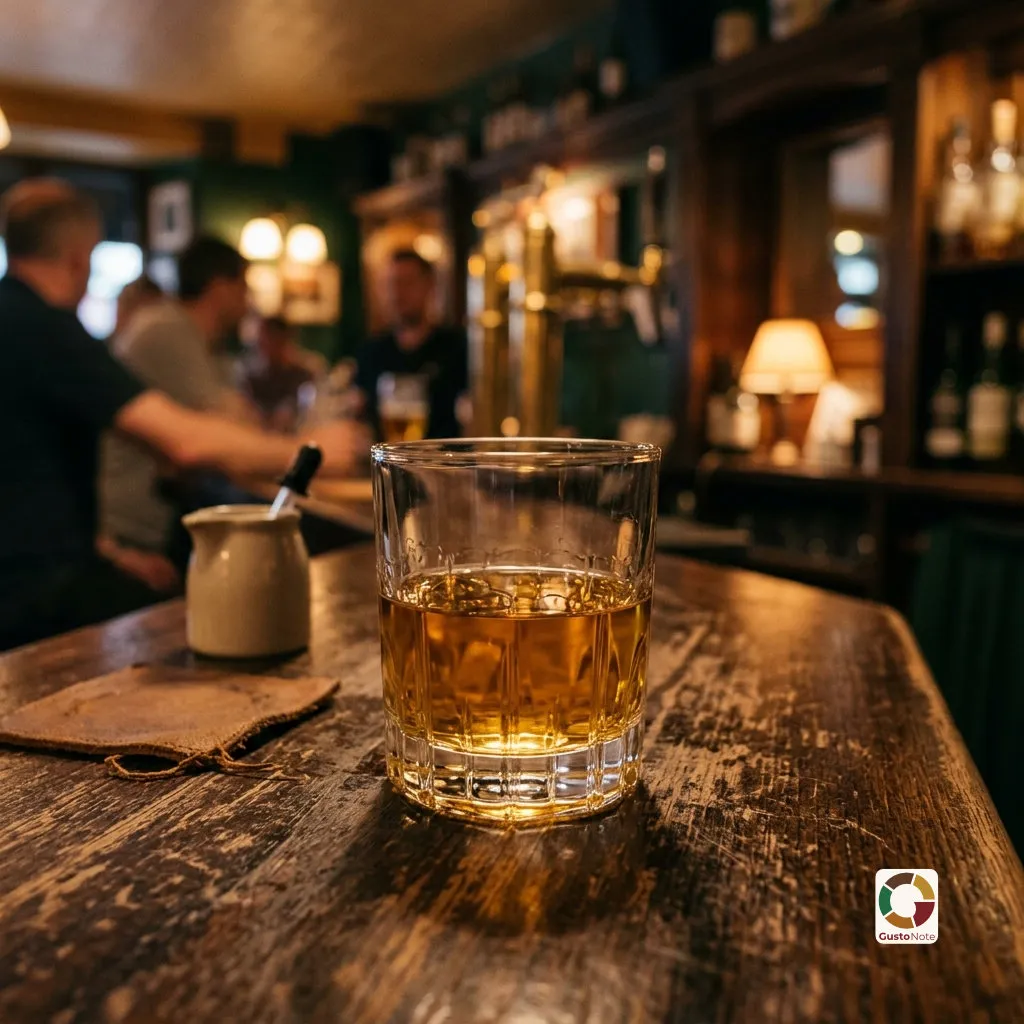
Irish whiskey - triple distillation and single pot still
Irish whiskey has a reputation as the smoothest and most approachable in the world, ideal for first steps. It is spelled with a double e, as whiskey, in contrast to Scotch whisky, and it has its own clear character built on smoothness and softness. Behind that gentleness lie specific production decisions: triple distillation, the frequent absence of peat, and the unique, Ireland-only single pot still category. They are worth knowing, because this is one of the most interesting, and still underrated, worlds of whisky.
Triple distillation - the secret of smoothness
The best-known feature of Irish whiskey is triple distillation. While most Scotch whisky is distilled twice, a large part of Irish whiskey is distilled three times. Each additional pass through the still removes more of the heavier, harsher compounds and raises the purity of the spirit. The result is a whiskey of a strength similar to Scotch but clearly smoother, lighter and gentler, easier to drink. That is why Irish is so often recommended at the start of a whisky journey. I describe the whole distillation process in how whisky is made.
It is worth dispelling one myth, though: not all Irish whiskey is triple distilled. It is the dominant tradition, but there are exceptions distilled twice, and even peated whiskeys, like Connemara, that break the stereotype of gentle, smokeless Ireland.
Single pot still - the Irish specialty
The most interesting and exclusively Irish category is single pot still. It is whiskey made at a single distillery, from a mash of malted and unmalted barley, distilled in traditional copper pot stills. Irish regulations define it precisely: the mash must contain at least thirty percent malted and at least thirty percent unmalted barley, plus possibly a small addition of other grains.
The key is precisely that unmalted barley. While malt gives notes of biscuit and grain, raw, unmalted barley brings a spicy, peppery, slightly grassy character and a thicker, creamier texture. That is why single pot still has its recognisable, spicy bite and a fuller body than ordinary malt whisky. I cover the different whisky categories in single malt, blend, grain, pot still.
Where the unmalted barley came from
Behind this feature lies an interesting tax history. In the past, British tax fell on malted barley, so Irish producers, to avoid it, began adding cheaper, unmalted barley to the mash. What started as a way to save money became, over time, a signature and one of the most prized whiskey categories in the world. A good example of how a constraint can give birth to a unique style.
Irish versus Scotch
Irish whiskey is best understood through contrast with Scotch:
- Distillation - Irish often triple, Scotch usually double. Hence the greater smoothness of Irish.
- Peat - Irish is most often smokeless, while Scotch, especially from Islay, can be heavily peated. I cover smoky Scotland in Islay.
- Single pot still - a category existing only in Ireland, giving a spicy, creamy character from unmalted barley.
In practice, Irish is a smooth, fruity, soft and approachable whiskey, while Scotch is stretched between fruity Speyside and smoky Islay.
How to explore it
A good entry is a popular, mellow blend, and then it is worth reaching for a classic single pot still to feel that spicy, creamy character from unmalted barley. The difference is immediate. In GustoNote you note the type, profile and your impressions of every Irish whiskey, and after a few entries you will see whether you prefer smooth blends or characterful single pot stills. It turns a general I like Irish into a specific, conscious choice. You will find a full overview of world whisky in whisky around the world, and if you are just starting, see how to fall in love with whisky.