Whisky guide
Where to start
New to the topic? Read these in order, step by step:
- 1How to fall in love with whisky (even if you think it stinks right now)
- 2How whisky is made - from barley to barrel
- 3Single malt, blend, grain, pot still - what they really mean
- 4Where whisky gets its vanilla, honey, smoke and dried fruit
- 5How to read a whisky label - single malt, age, cask and strength
- 6Your first whisky - 5 bottles for a good start
All articles
Basics and process
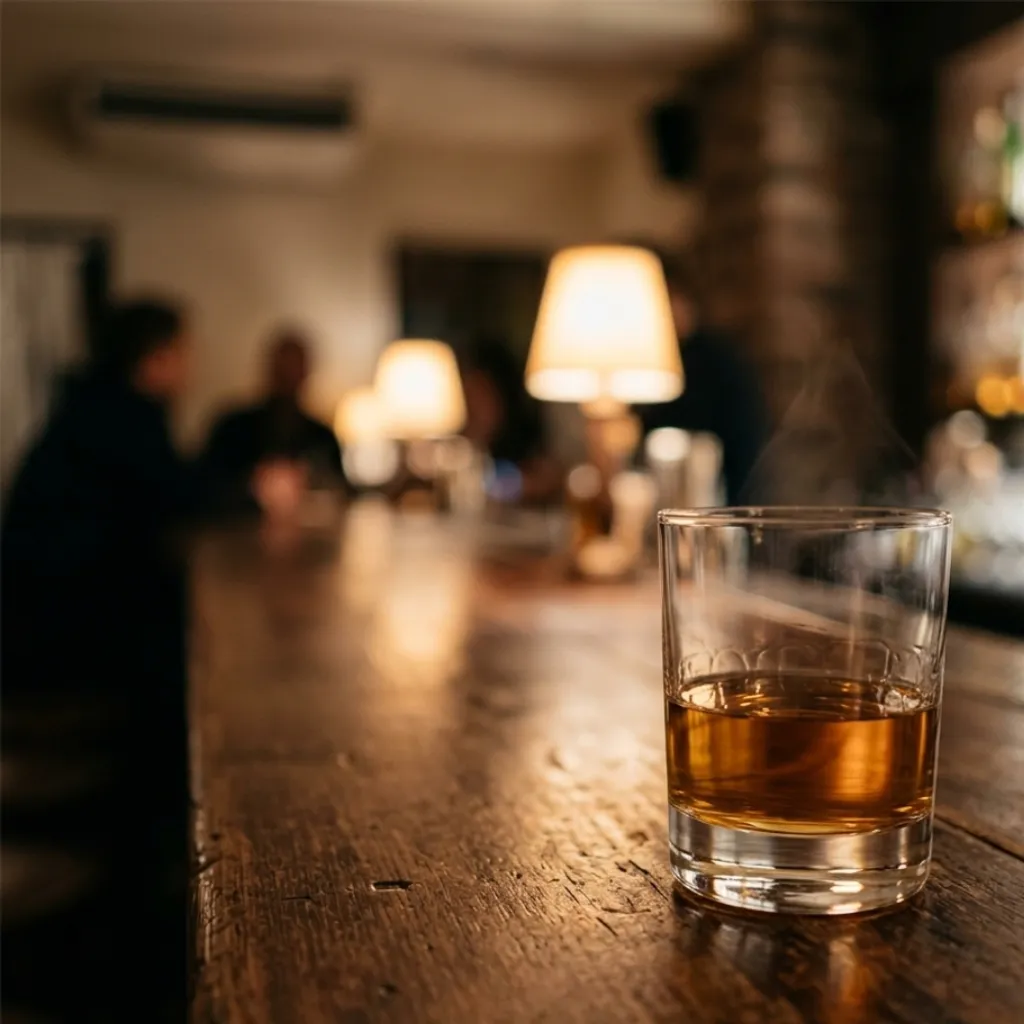
How to fall in love with whisky (even if you think it stinks right now)
Whisky tastes like moonshine and burns your throat? You probably drank it wrong. A relaxed, practical guide to falling for it - from the first sip to your own notes.
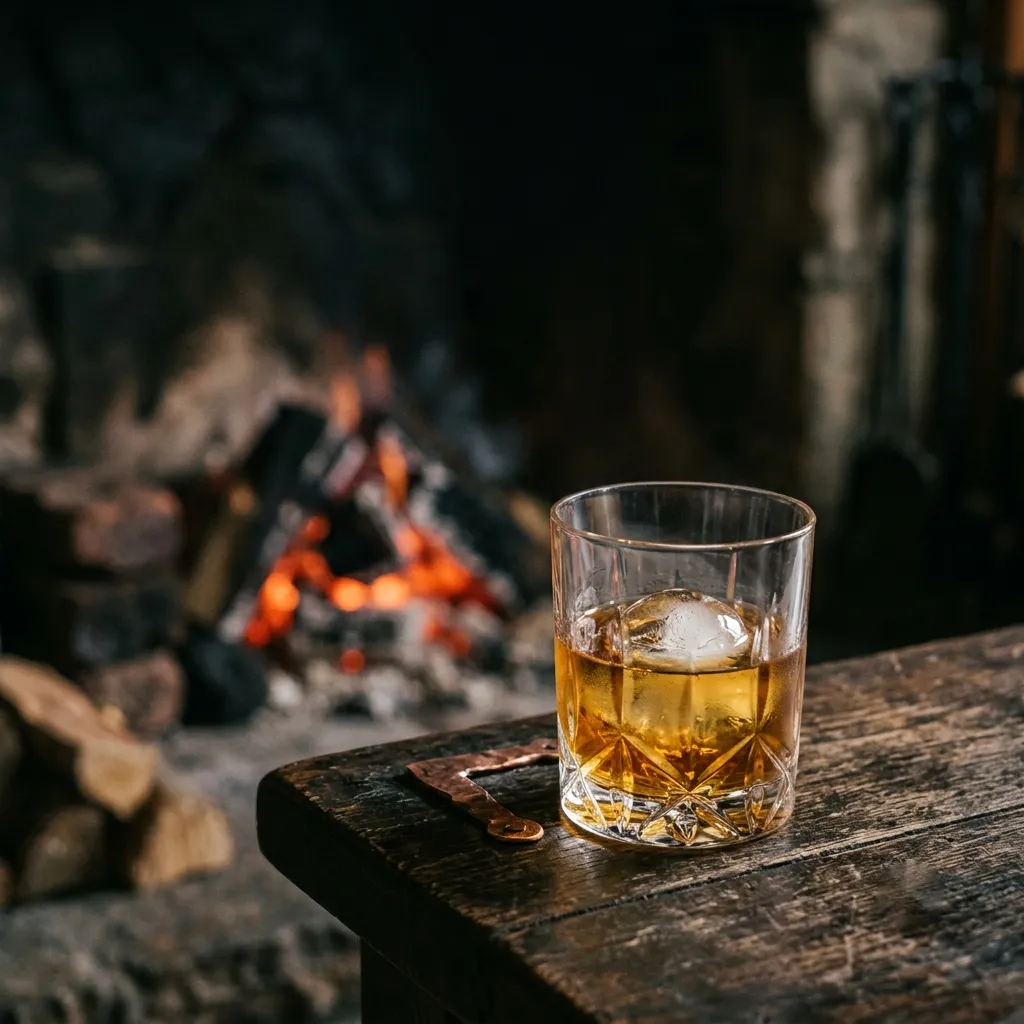
Why whisky tastes like a bonfire - and how to love peat
The first sip of a heavily peated whisky is a bonfire, iodine and a hospital dressing all at once. Where that flavour comes from, why Islay, and how to ease into peat instead of being put off for good.
Peat in whisky - phenols, ppm and where the smoke comes from
Where does the smoky, smoked taste of whisky come from? How peat passes phenols to the malt, what ppm means, why the bottle has less than the malt and why Islay peat tastes different. Real numbers, no myths.
Regional peat - Islay versus Orkney versus Highland
Peat smoke in whisky does not taste the same everywhere. Islay peat smells of iodine and the sea, Orkney peat of heather and flowers, Highland peat of earth and smoke. Where these differences come from, what science proves and whether this is real terroir.
Malting - how barley becomes the malt for whisky
Steeping, germination and kilning: the three steps in which barley becomes malt. Where the enzymes and sugars for fermentation come from, what green malt is and why germination is stopped.
Pot still shape and whisky character - why form decides the flavour
Tall or short still, lyne arm up or down, the role of copper and reflux. How the shape of a pot still decides whether whisky is light and floral or heavy and oily. A guide with a table.
Whisky cuts - heads, hearts and tails, the art of making the cut
Heads, hearts, tails: how the distiller separates the toxic heads and heavy tails to keep the heart alone. Where methanol and fusel oils come from and why the cut decides the flavour of whisky.
Worm tub vs modern condenser - where meaty, sulphury whisky comes from
A coil in a tub of cold water versus a modern shell-and-tube condenser. How copper contact decides whether whisky is light and clean or heavy, meaty and sulphury. A guide with a table.
Yeast and fermentation time in whisky - where the fruity or grainy character comes from
Short or long fermentation, the role of yeast and bacteria: how time in the washback decides whether whisky is grainy and nutty or fruity and estery. A guide with a table.
New make spirit - how whisky tastes before it reaches the cask
The raw, colourless distillate straight from the still, before it matures. What new make spirit is, why it is 60-70%, how it tastes and what it reveals about a distillery character. White dog and white whisky.
First fill vs refill - how a whisky cask wears out
A fresh cask gives a lot, a worn one less and less. First fill, refill, second and third fill: how the cask influence fades and why a refill reveals the distillery character. A guide with a table.
STR, recharred and quarter cask - how whisky casks are manipulated
When an ordinary cask is not enough, the wood is reworked. STR, recharring and the small quarter cask: how a cask is revived and sped up and what it does to the flavour of whisky. A guide with a table.
Mizunara - Japanese oak with the flavour of sandalwood and incense
Mizunara is the rarest and most capricious oak in the world of whisky. The tree grows for 200 years, the barrels leak, and maturation takes 15-20 years. In return it gives the flavour of sandalwood, coconut and incense. A guide with a table.
Sherry cask seasoning - how sherry casks are really made
A sherry cask rarely held drinkable sherry. Learn about seasoning - the deliberate ageing of new oak with wine for 1-2 years, paxarette and why true transport butts are rare today. A guide.
Whisky maturation warehouses: dunnage, racked and palletised
Whisky matures not only in the cask but in the warehouse. The traditional dunnage, the tall racked and the modern palletised give different humidity and temperature - and that changes the pace of maturation and the loss. A guide with a table.
Climate and whisky maturation: Scotland, Kentucky, India
Why does a 3-year-old Indian whisky match a 12-year-old Scotch? Climate. Heat speeds up maturation, and the tropics steal 12 percent a year. How temperature and swings shape flavour - a guide with a table.
Marrying and vatting - how casks are combined before bottling
Why does your favourite whisky always taste the same? Because casks are combined before bottling - that is vatting and marrying. Learn about the whisky honeymoon in the cask, the point of consistency and why 3 months is enough. A guide.
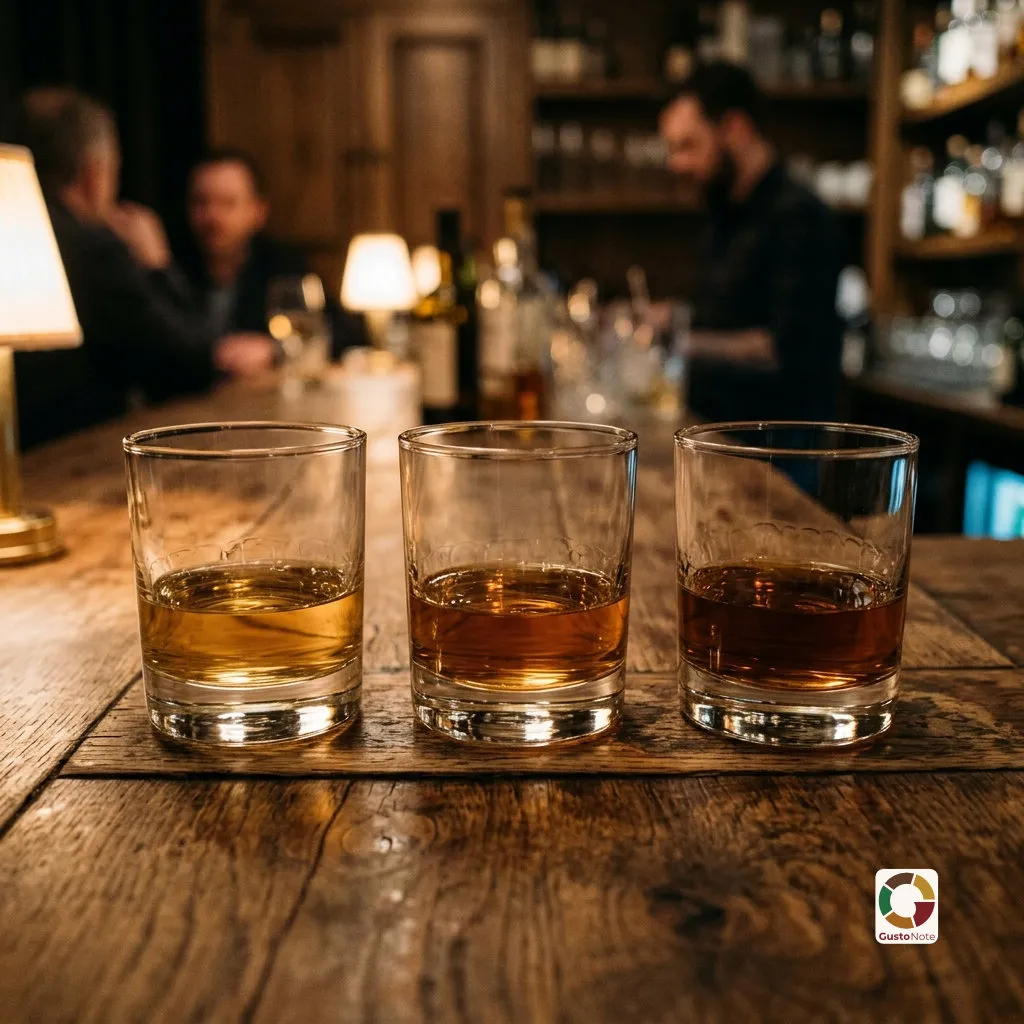
Single malt, blend, grain, pot still - what they really mean
The key words on a whisky label, explained plainly. How single malt differs from blend, what grain and pot still mean, and why these categories tell you more about flavour than the region.
Grain whisky and the Coffey still - the light backbone of blends
Most whisky in the world is grain whisky from a Coffey still - continuous distillation that revolutionised the industry. How it differs from a pot still, why it gives a lighter spirit and how it created blends. A guide with a table.
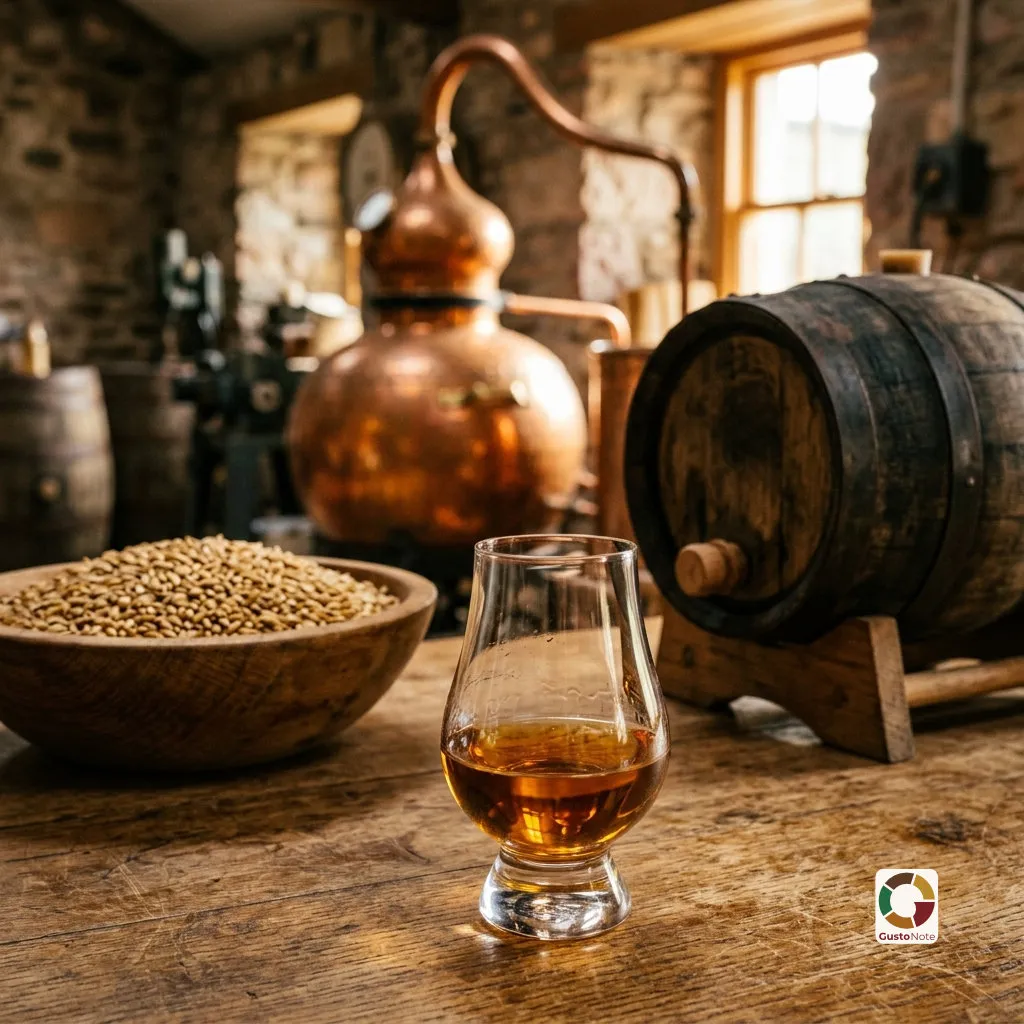
How whisky is made - from barley to barrel
The five steps that turn grain and water into whisky: malting, mashing, fermentation, distillation and maturation. Where the flavour is born and why the barrel does most of the work.
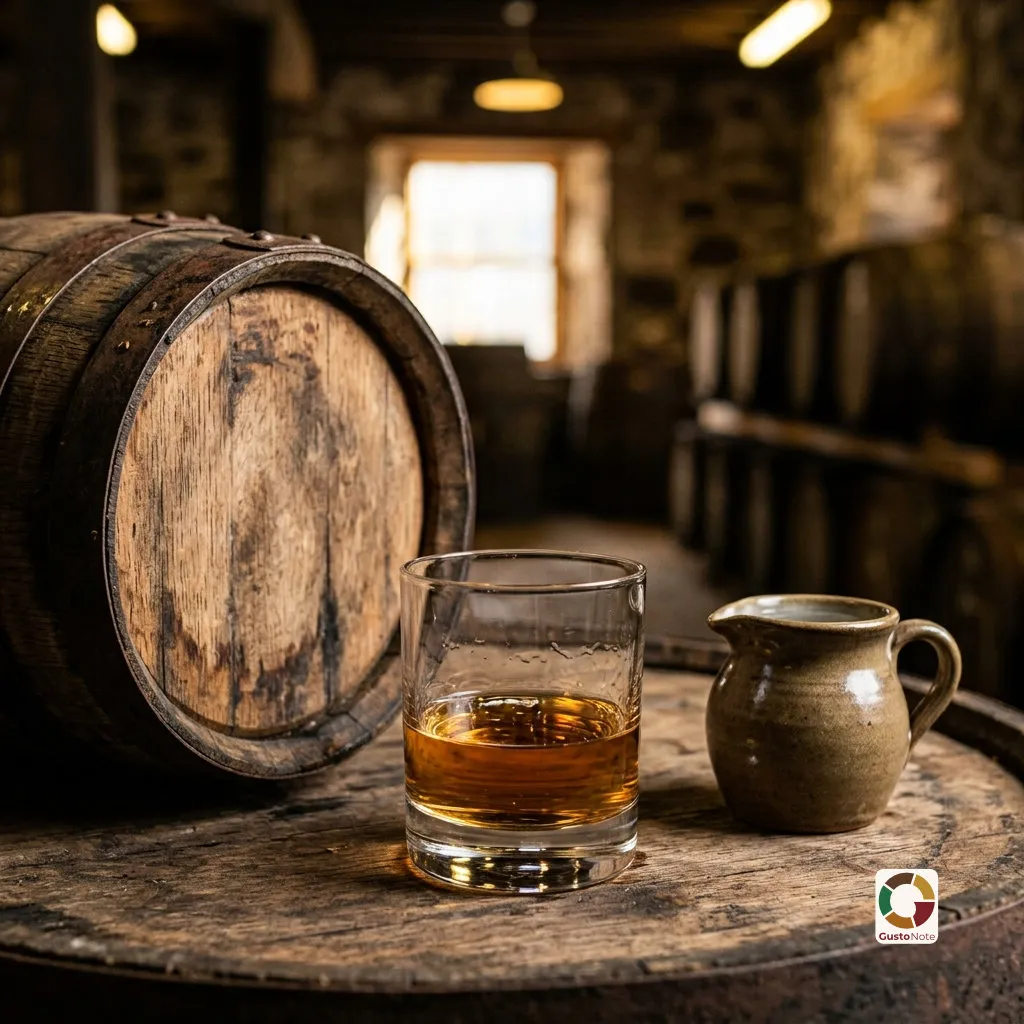
Cask strength - does stronger whisky mean better
Cask strength is whisky straight from the barrel, undiluted. What it really means, why it can cost more, how to tame it with a drop of water, and when it is genuinely worth paying for.
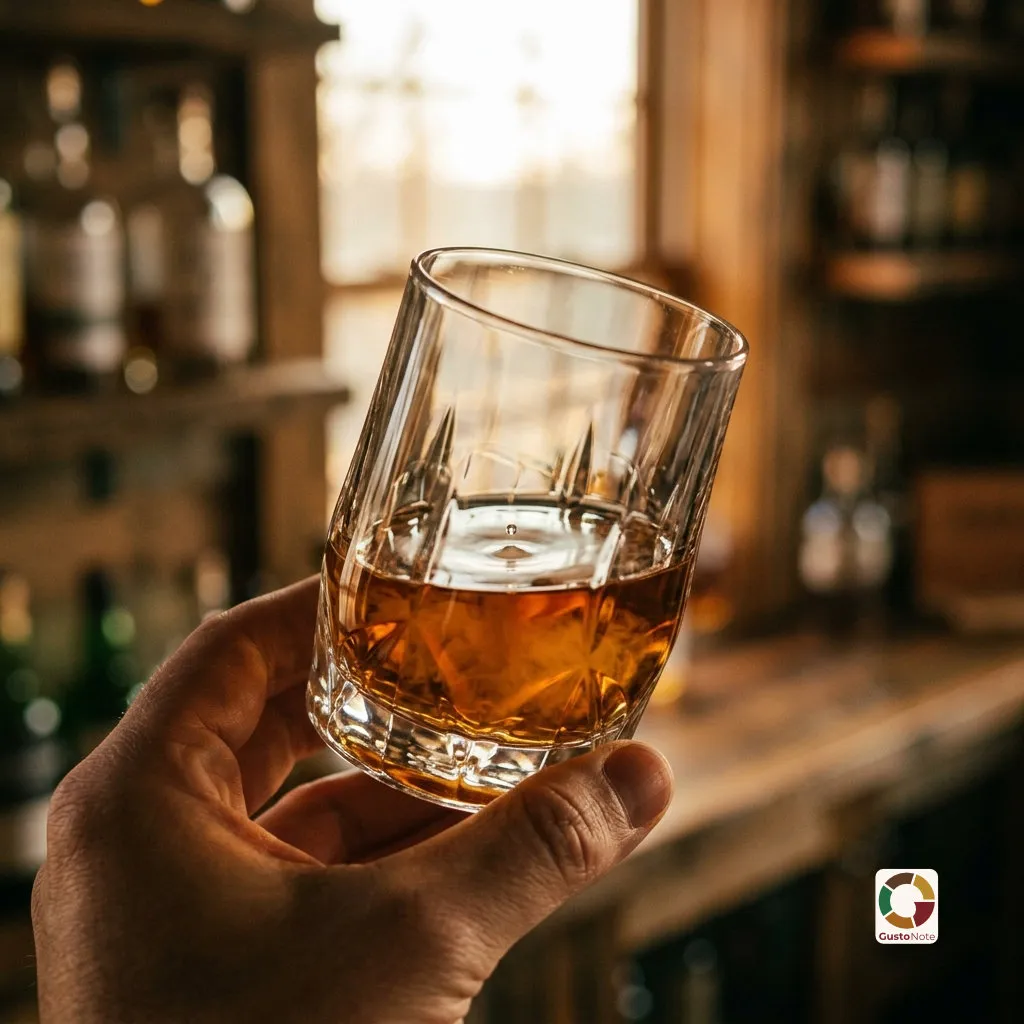
Chill filtration and caramel colouring - what they really do to whisky
Two processes on the whisky label that divide enthusiasts: chill filtration and E150 caramel colouring. What they change in flavour and appearance, why they spark debate, and how to read them when buying.
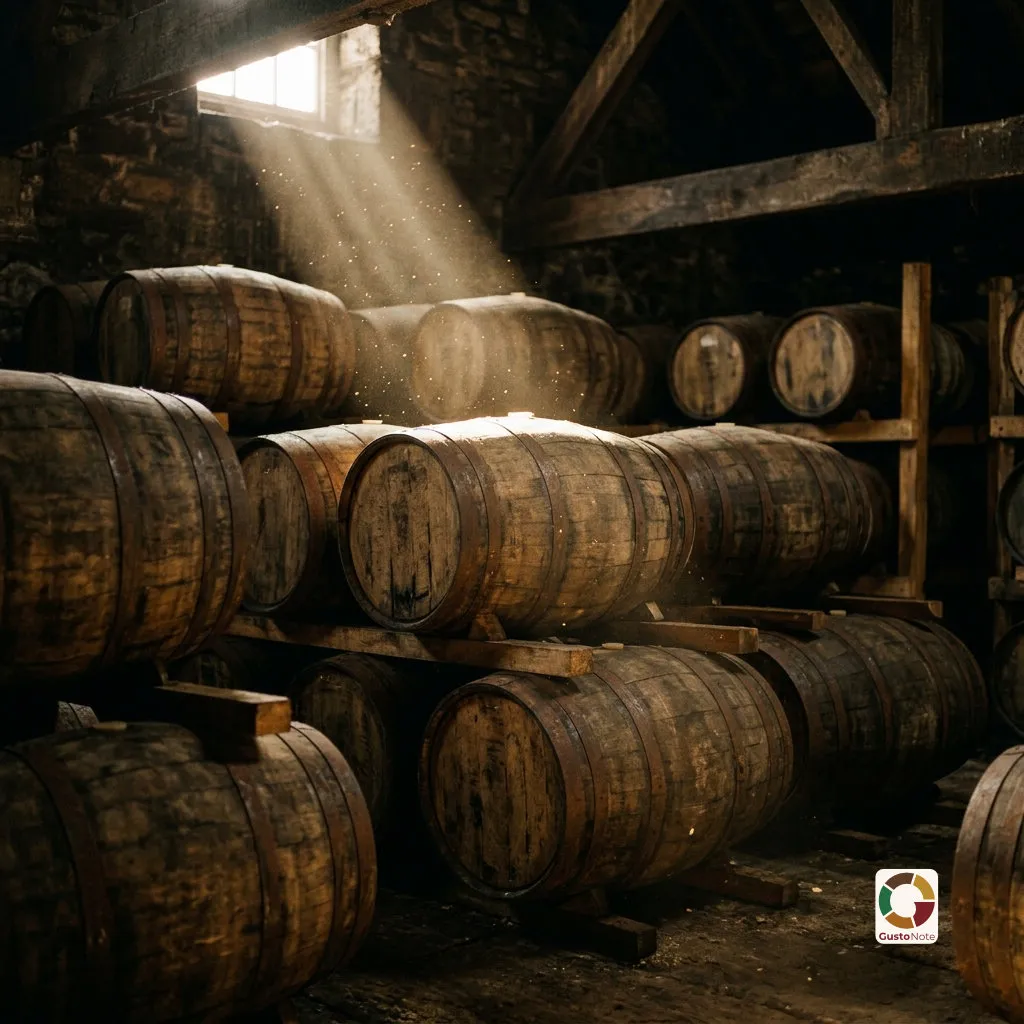
The angel's share - why whisky vanishes from the barrel
Every year a few percent of the liquid disappears from each whisky barrel. That is the angel's share. Why it evaporates, how it affects flavour and strength, and why old whisky is so expensive.
Tropical angels share - why a year in India is like three in Scotland
In Scotland whisky evaporates from the barrel at about 2 percent a year, but in hot India or Taiwan it can be over ten. This difference changes the whole maturation. Here is how climate rules the angels share and why tropical whisky matures far faster.
Whisky fungus (Baudoinia) - the hidden cost of the angels share
Houses, signs and trees around distilleries turn black from the fungus Baudoinia compniacensis, which feeds on the vapours of maturing whisky. Where it comes from, how far it spreads, why neighbours sue producers and how it betrayed moonshiners in Prohibition.
Towser - the cat that caught almost 29,000 mice
Towser of Glenturret distillery is the greatest mouser in history, with a record of about 28,899 catches in the Guinness Book of Records. Why distilleries kept cats, how the record came about and what a cat has to do with whisky.
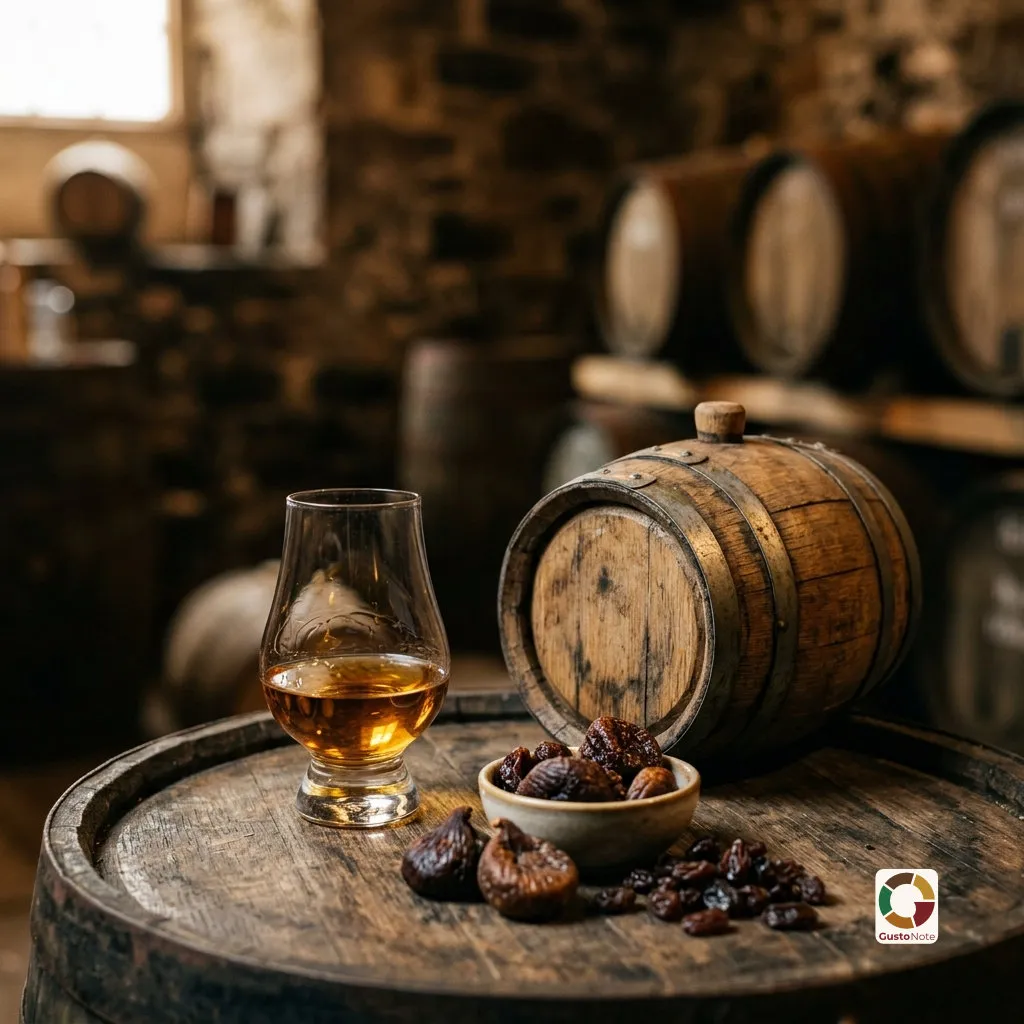
What is a whisky finish (sherry, port, rum) and is it a gimmick
More and more whisky finishes its maturation in sherry, port or rum casks. What a finish is, what it really adds to the flavour, and when it is just a marketing gimmick for a pricier bottle.
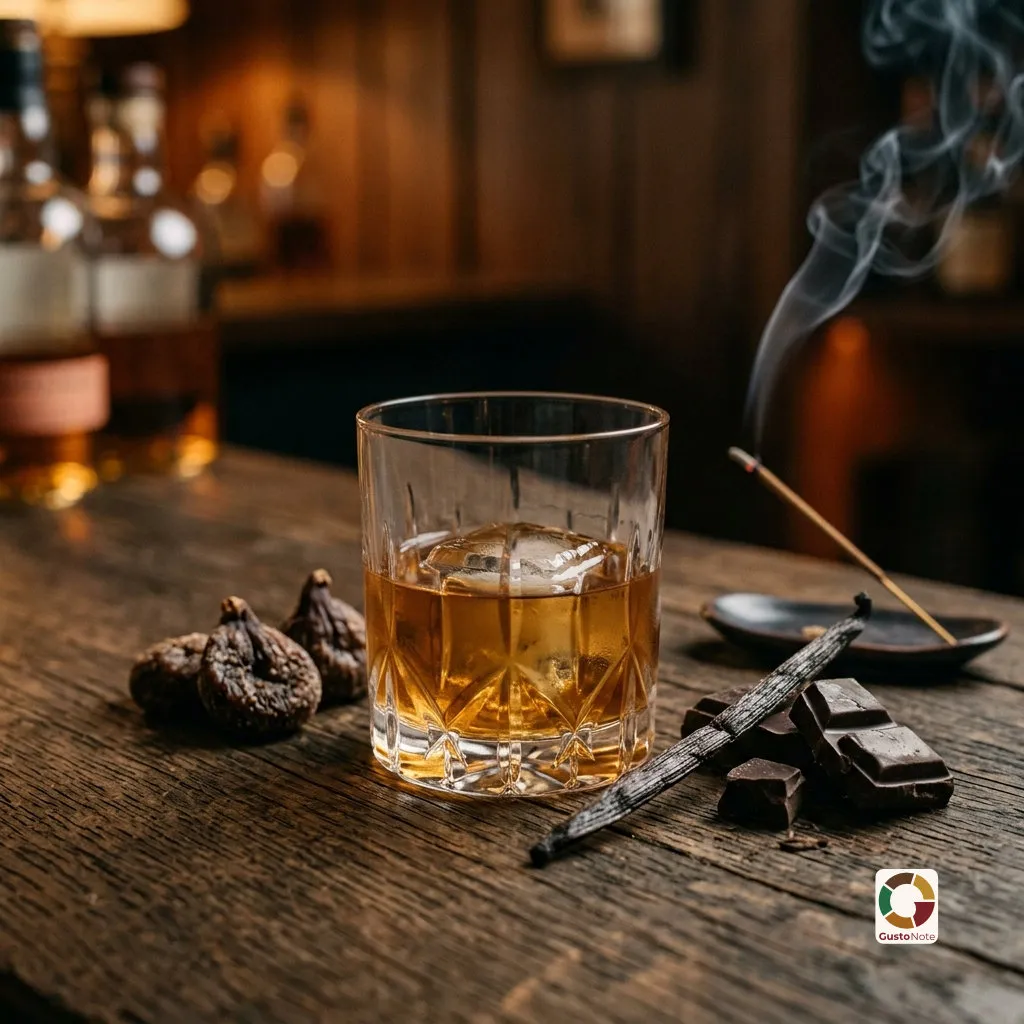
Where whisky gets its vanilla, honey, smoke and dried fruit
Whisky is water, barley and yeast, yet it smells of vanilla, honey, smoke and dried fruit. Where these notes come from, which specific compounds are responsible, and at which stage of production they form.
Whisky off-flavours: sulphur, soap, plastic - where they come from
Where do foreign notes of sulphur, soap or plastic in whisky come from? Learn their sources in fermentation and distillation, the role of copper and the cut to the heart, and when an off-flavour is a fault and when a feature of the style. A guide with a table.
Dogs that sniff out faulty casks - how spaniels protect whisky
A certain Scottish company employs cocker spaniels to detect faulty casks by smell, before whisky goes into them. A dogs nose is many times more sensitive than a humans. Here is how this unusual quality team works and why one bad cask can ruin a whole drink.
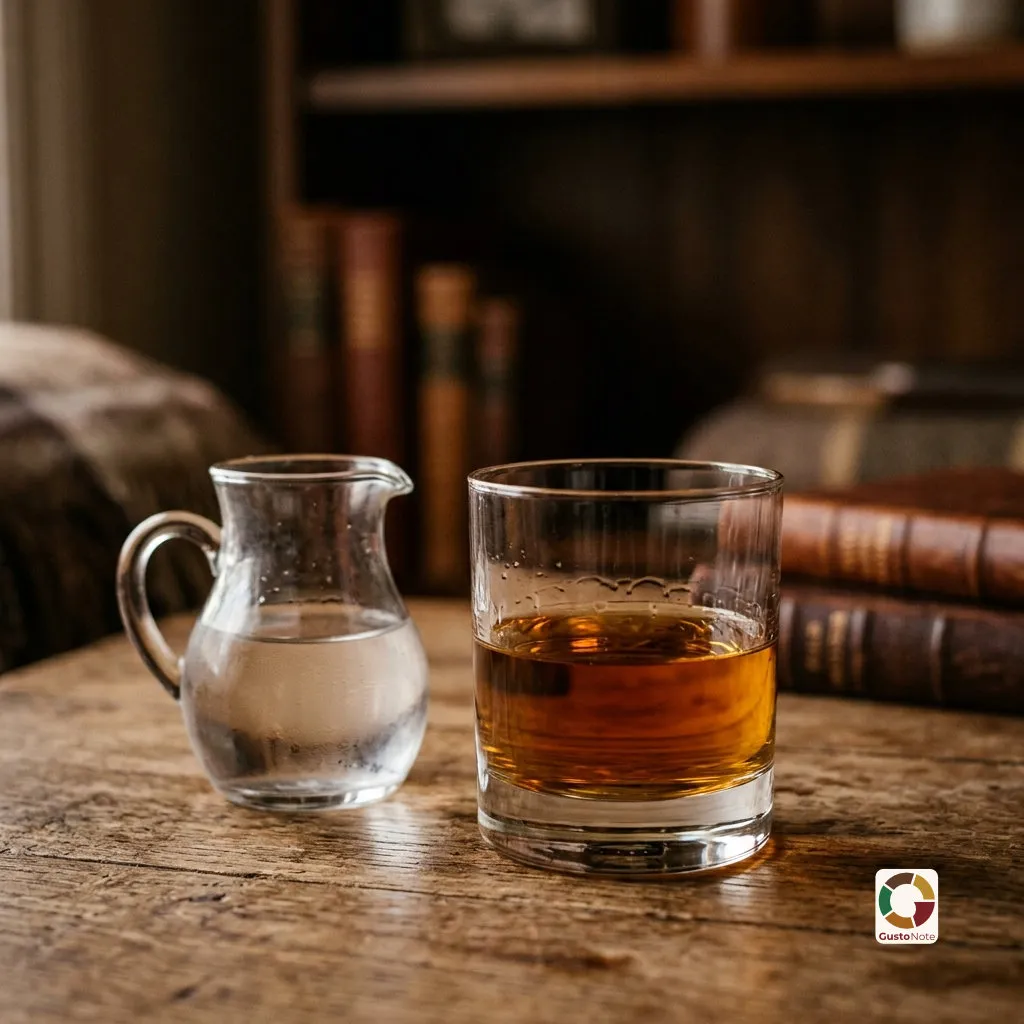
Why whisky burns and how to tame it
The burn after a sip of whisky is not a flavour but your heat receptors reacting to alcohol. Where it comes from, why stronger whisky burns more, and how simple tricks, from a drop of water to nosing technique, tame the burn and reveal the aroma.
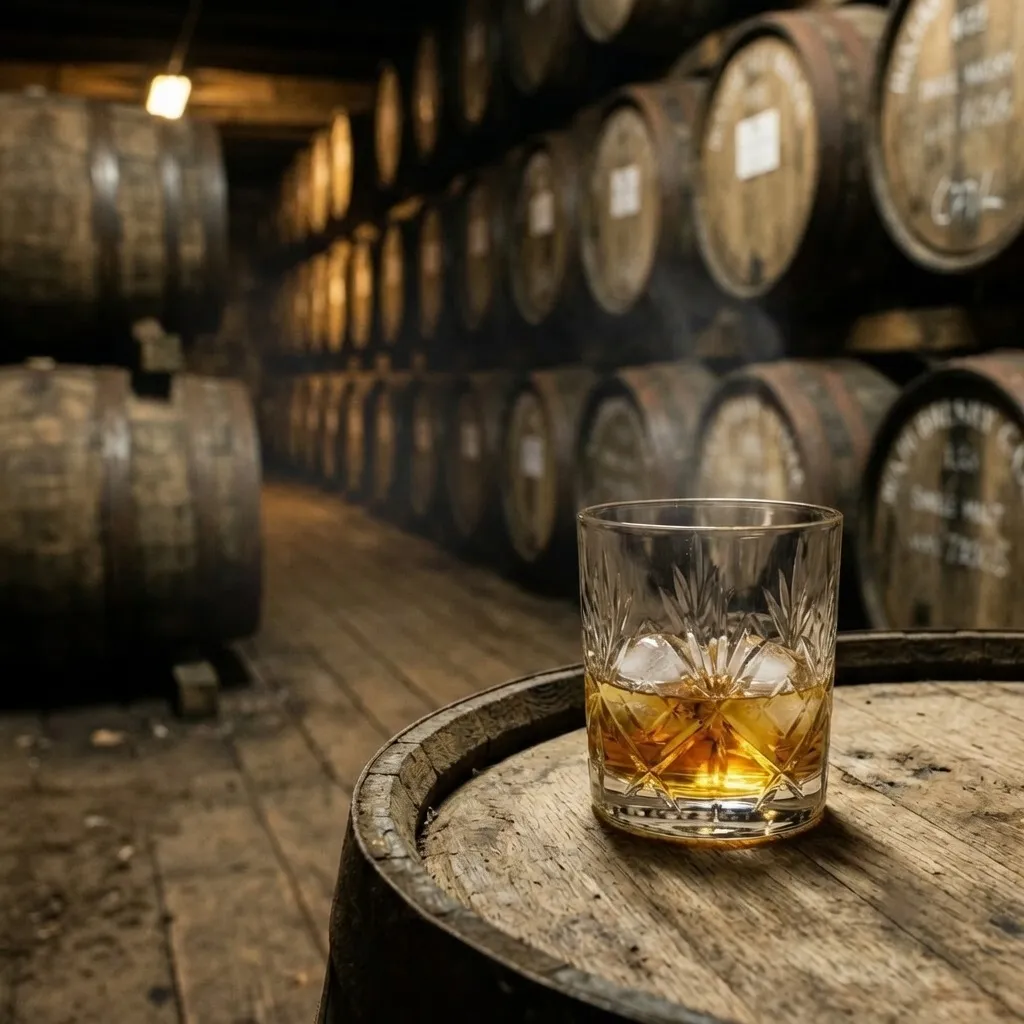
How the cask shapes whisky - why sherry, bourbon and oak decide the flavour
Up to 70 percent of whisky flavour comes from the cask, not the distillation. What bourbon, sherry, wine and rum casks add, where the colour comes from, and why a "finish" is not a marketing trick.
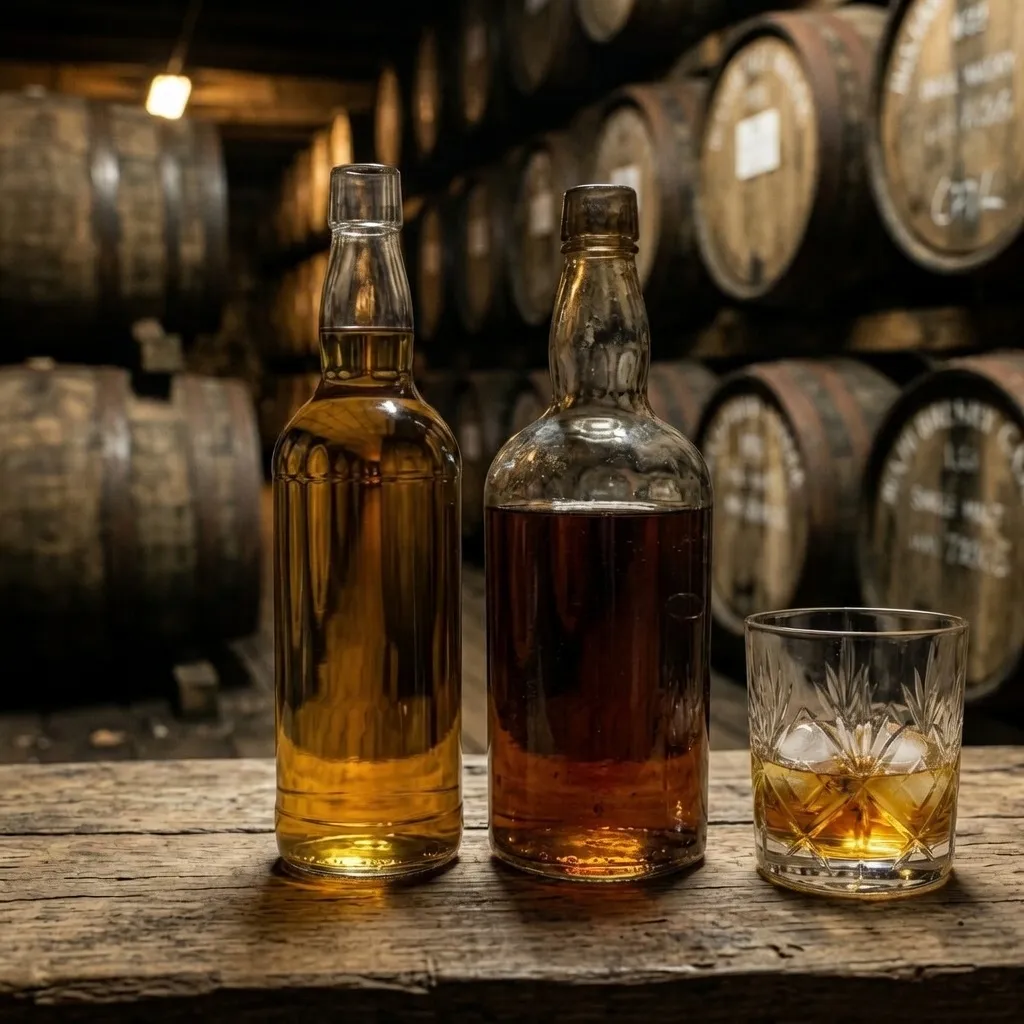
Is older whisky better? The truth about age, NAS and price
18 years on the label sounds better than 10, but does older whisky really taste better? About age, NAS statements and what you are actually paying for.
Whisky vs whiskey - where the spelling difference comes from
Whisky without an e or whiskey with an e? Where the two spellings came from, why Scotland writes it differently than Ireland and America, and how to remember which form goes with which country. No myths.
The history of Scotch whisky - smuggling, excise, Coffey and phylloxera
How did whisky become the pride of Scotland? Learn about the era of smuggling and illicit stills, the landmark Excise Act of 1823, the invention of the Coffey still and the role of phylloxera, which opened whisky the road to the world. A guide with a table.
Friar John Cor and the year 1494 - the oldest record of Scotch whisky
The oldest written trace of distilling in Scotland is an entry from 1494 about a friar, John Cor, who by order of the King was to make aqua vitae from eight bolls of malt. Here is the story of this record, what water of life means and why this one line is so important for whisky.
The Excise Act of 1823 - the end of the smuggling era and George Smiths pistols
Before 1823 more than half of Scotch whisky came from illicit stills, and thousands were seized each year. The Excise Act changed everything. George Smith was the first to take a licence and carried two pistols. Here is how the law legalized Scotch.
The Pattison crash of 1898 - parrots and the fraud that nearly killed Scotch
In 1898 the spectacular bankruptcy of the Pattison brothers shook all of Scotch whisky. The famous 500 parrots advertising whisky, daring marketing and a great fraud. Here is the story of the crash that dragged other firms down and changed the industry.
The Great Dublin Whiskey Fire of 1875 - a river of fire and victims from the gutter
In 1875 a burning river of whiskey flowed through the streets of Dublin. The most surprising thing is that no one died from the fire. Thirteen victims died because they drank strong whiskey straight from the gutter. Here is the story of one of the strangest disasters in the history of spirits.
Prohibition in the USA and medicinal whiskey
From 1920 to 1933 the USA banned alcohol, but whisky survived through a loophole: it could be prescribed as medicine. Learn about the Prohibition era, medicinal whiskey, the six surviving distilleries and how it devastated the American industry. A guide with a table.
Moonshine poisons - how methanol and lead killed drinkers of illegal alcohol
Illegal moonshine was sometimes deadly not because of the alcohol itself but because of methanol and lead. During Prohibition the government deliberately poisoned spirit, and faulty distilling added lead. Here is how these poisons killed and blinded and why the problem still exists.
Great whisky blends and their makers - the art of the master blender
Most of the world whisky is blends - mixtures of malt and grain whisky. Learn about the great brands (Johnnie Walker, Dewar's, Chivas), the art of the master blender and why a blend can be harder than a single malt. A guide with a table.
Scotch vs bourbon in 5 points - the key differences
Scotch whisky or American bourbon? Five concrete differences: grain, cask, place, ageing and taste. A simple guide to understanding what really separates these two styles.
Bottled in Bond - what this seal on whiskey guarantees
Bottled in Bond is an American quality seal from 1897. One distillery, one season, at least 4 years under government supervision, exactly 50 percent alcohol. Where it came from and what it guarantees. A guide with a table.
How many calories whisky has and whether it is healthier than other alcohol
Whisky has zero carbs and few calories per glass. How many exactly, how it compares to beer and cocktails, and whether that makes it healthier? Honest facts, no myths, with a fair caveat.
Whisky in culture - films, icons and symbolism
From James Bond to John Wick. Whisky in films, its symbolism and the most famous scenes. Why cinema so loves that glass and what whisky says about a character. A cultural guide to the screen.
Burns Supper - how the Scottish feast of haggis, whisky and poetry works
On the twenty-fifth of January Scots celebrate the Burns Supper, a feast in honor of the poet Robert Burns, at which the haggis is carried in to the sound of bagpipes, an ode is recited to it, and whisky flows into the toasts. Here is how this ritual works step by step and what the duties of a guest are.
The women who saved whisky - the forgotten heroines of Scotch distilling
The history of whisky is not only men. Helen Cumming disguised an illicit distillery as a bakery, and Bessie Williamson was the only woman to run a Scotch distillery in the twentieth century. Here are the forgotten heroines who shaped the world of whisky.
SS Politician - the real Whisky Galore and 264,000 bottles on the seabed
In 1941 a ship carrying a quarter of a million bottles of whisky ran aground off Eriskay. Islanders went after the loot and customs men chased them. This is the true story that inspired the book and film Whisky Galore. Here is what really happened.
Shackletons whisky - crates from beneath the Antarctic ice recreated after a century
In 1907 Shackletons expedition left crates of whisky in Antarctica that lay in the ice for over a hundred years. When they were found, a master blender recreated the lost spirit. Here is the story of whisky trapped in the ice and how a flavor from a century ago came back to life.
Whisky myths - expensive means better and other misconceptions
Older whisky is better? Expensive means the best? You must drink it neat only? The most common whisky myths debunked with facts, including the science of adding water. Drink whisky consciously.
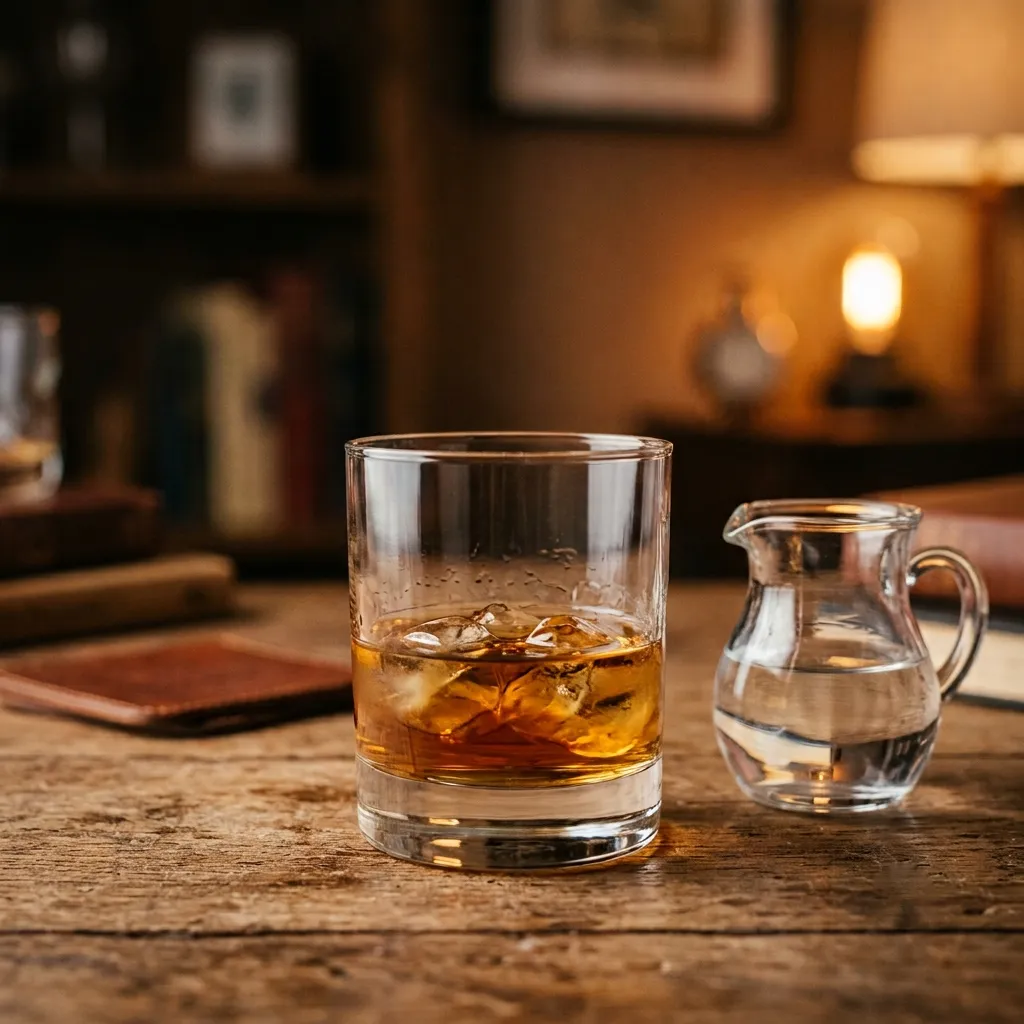
Does water or ice ruin whisky? The neat-only myth
Adding water does not ruin whisky - it opens up the aroma and cuts the alcohol burn. Ice is another story. When a drop of water helps, what ice does, and why there is no single right way.
Nosing - how to train your nose and the whisky flavour wheel
Over 80 percent of whisky flavour we perceive through the nose. Learn the technique of nosing, the role of glass and water, the flavour wheel as a map of aromas and a concrete plan to train your nose step by step. Learn to recognise and name aromas. A guide with a table.
Lactones, phenols, esters - the chemistry of whisky aroma
Where do whisky aromas come from? Behind the scent stand specific chemical compounds: esters (fruit), lactones (coconut), phenols (smoke, medicine), vanillin and aldehydes. Learn what they smell like and where they come from. A guide with a table.
Whisky versus other spirits: cognac, rum and tequila
Whisky, cognac, rum and tequila are four of the great spirits of the world, but almost everything separates them: raw material, distillation and aging. Learn how whisky from grain differs from cognac from grapes, rum from cane and tequila from agave. A guide with a table.
Copper and reflux: why pot stills are made of copper
Whisky stills are made of copper not for looks. Copper removes sulfur, giving a clean spirit, and reflux (the condensing of vapour falling back down) decides the lightness of the spirit. Get to know the role of copper, the mechanism of reflux and how the shape of the still creates whisky style. A guide with a table.
Heating the still: direct fire versus steam
A still can be heated in two ways: direct fire under the pot or steam in coils. The first gives a heavier, richer spirit thanks to Maillard reactions, the second a cleaner and more controlled one. Get to know the difference between fire and steam and how it affects whisky flavour. A guide with a table.
The spirit safe: the locked box where whisky is born
The spirit safe is a gleaming brass box with glass panes, through which the fresh spirit flows. It arose for tax reasons, but it is in it that the distiller divides the spirit into heads, heart and tails. Get to know the history, function and meaning of this iconic box. A guide with a table.
Fermentation vessels (washbacks): wood versus steel
Washbacks are the vessels in which whisky wash ferments. They can be wood or stainless steel, and the choice affects flavour. Wood harbours bacteria that add complexity, steel is easy to clean and control. Learn the difference between wood and steel and its influence on whisky. A guide with a table.
Cask sizes: from octave to butt and the effect on maturation
Whisky casks differ in size - from the small octave (~50 l) to the great butt (~500 l). The smaller the cask, the higher the surface-to-volume ratio and the faster the maturation. Get to know the cask sizes, their influence on flavour and the pace of whisky maturation. A guide with a table.
Char versus toast: the levels of barrel charring
Whisky barrels can be charred or toasted - two different processes of different flavour. Get to know the four levels of char, from light to alligator char, the difference between charring and toasting and their influence on whisky flavour. A guide with a table.
Why bourbon must use a new barrel - lobbying, not taste
Bourbon by law must mature in a new, charred oak barrel. Despite appearances this rule arose not for taste but probably from the lobbying of coopers and the timber industry. The result? All of Scotland lives off used barrels. Here is the story of this rule.
Double versus triple distillation: how many times and why
Whisky is distilled twice or three times, and the number of distillations affects its character. Double gives a heavier, more textured spirit, triple a lighter and smoother one. Learn the difference, the link with Irish and Scotch whisky and the truth about the triple distillation myth. A guide with a table.
The work of a master blender: how whisky is composed
A master blender is the master who composes whisky from dozens of different spirits, ensuring the consistency of the brand year after year. Learn what their work involves, why the nose is more important than taste and how many years it takes to master this craft. A guide with a table.
Does whisky have terroir: the Waterford experiment
Can the place where barley grows be heard in whisky? The Irish distillery Waterford carried out a scientific experiment, distilling barley from different farms separately. The results, published in a peer-reviewed journal, prove that terroir is real in whisky. A guide with a table.
Oak and the barrel: how the same wood shapes wine, whisky, beer and rum
Oak is a magical wood that shapes wine, whisky, beer and rum. Learn what oak gives to drinks - vanillin, lactones, tannins - how toasting and charring work and why barrels get a second life. A guide with a table.
Fruity aromas without fruit - esters and terpenes in wine, beer and whisky
Wine smells of apple, beer of banana, whisky of pear - though there is no fruit in them. Where does this fruitiness come from? From esters created by yeast and terpenes from the raw material. Learn the chemistry of fruity aromas in three drinks. A guide with a table.
Regions and styles
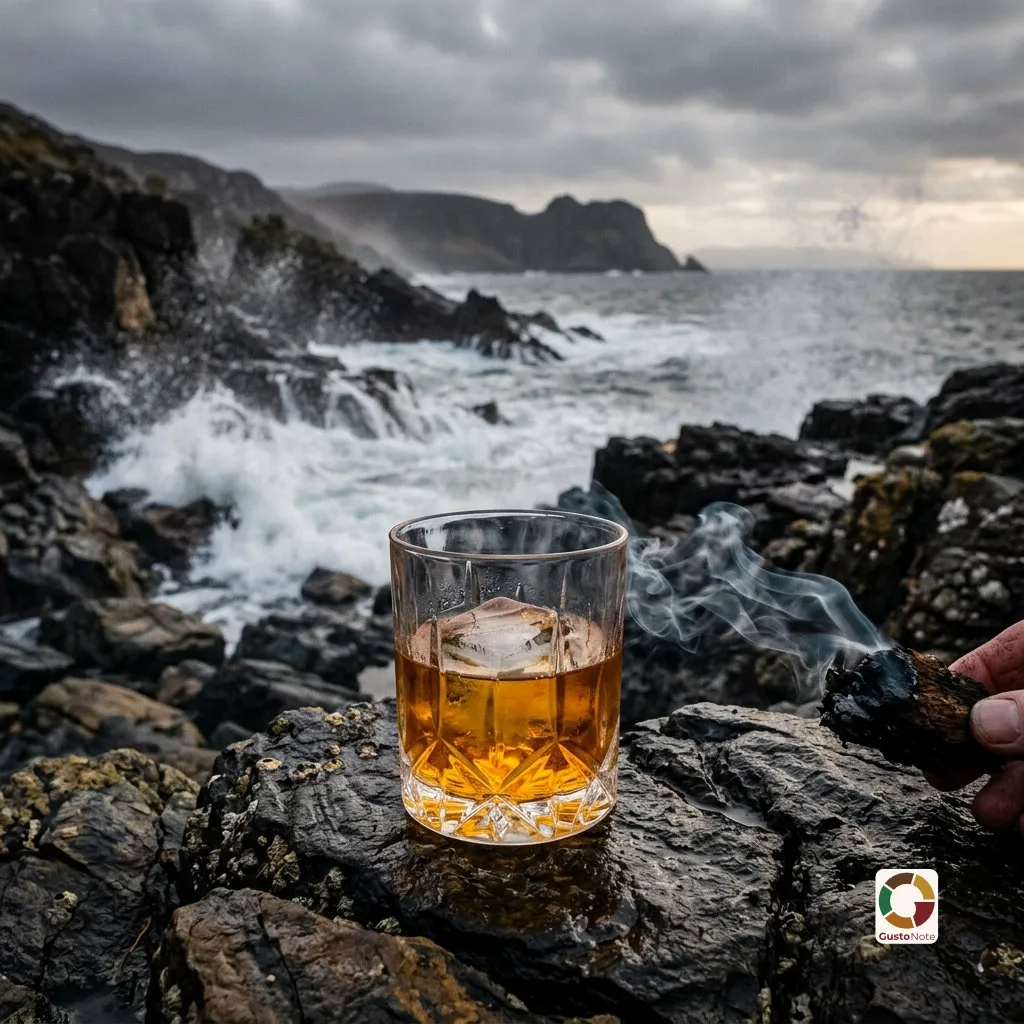
Islay - the peatiest whisky island in the world
The small Scottish island of Islay is the mecca of peaty, smoky, maritime whisky. Where this character comes from, what ppm of phenol really means, how Ardbeg, Lagavulin and Laphroaig differ, and how to start your peat adventure.
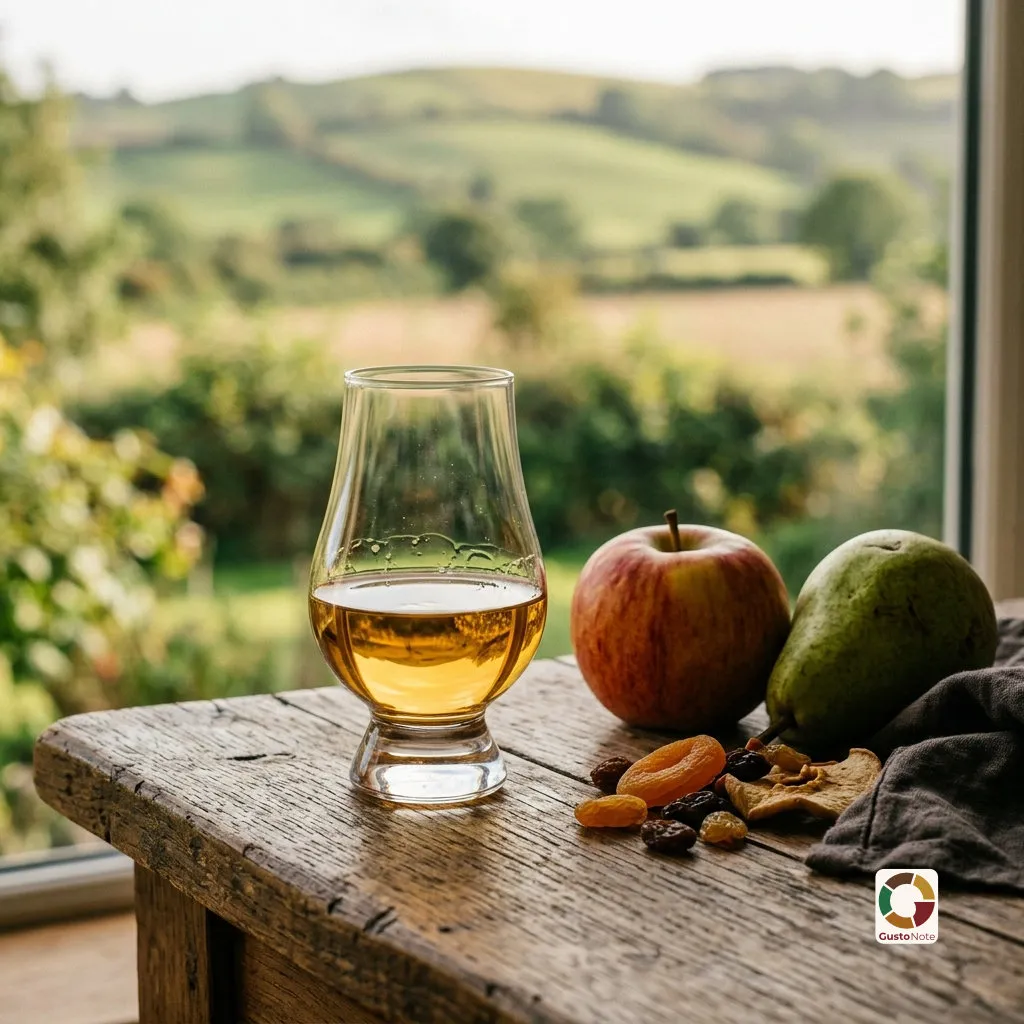
Speyside - elegance and fruit in the heart of Scotland
Speyside is the most densely populated whisky region in the world, home to the two best-selling single malts. Where the elegant, fruity style comes from, the role of soft water and sherry casks, and how it differs from smoky Islay.
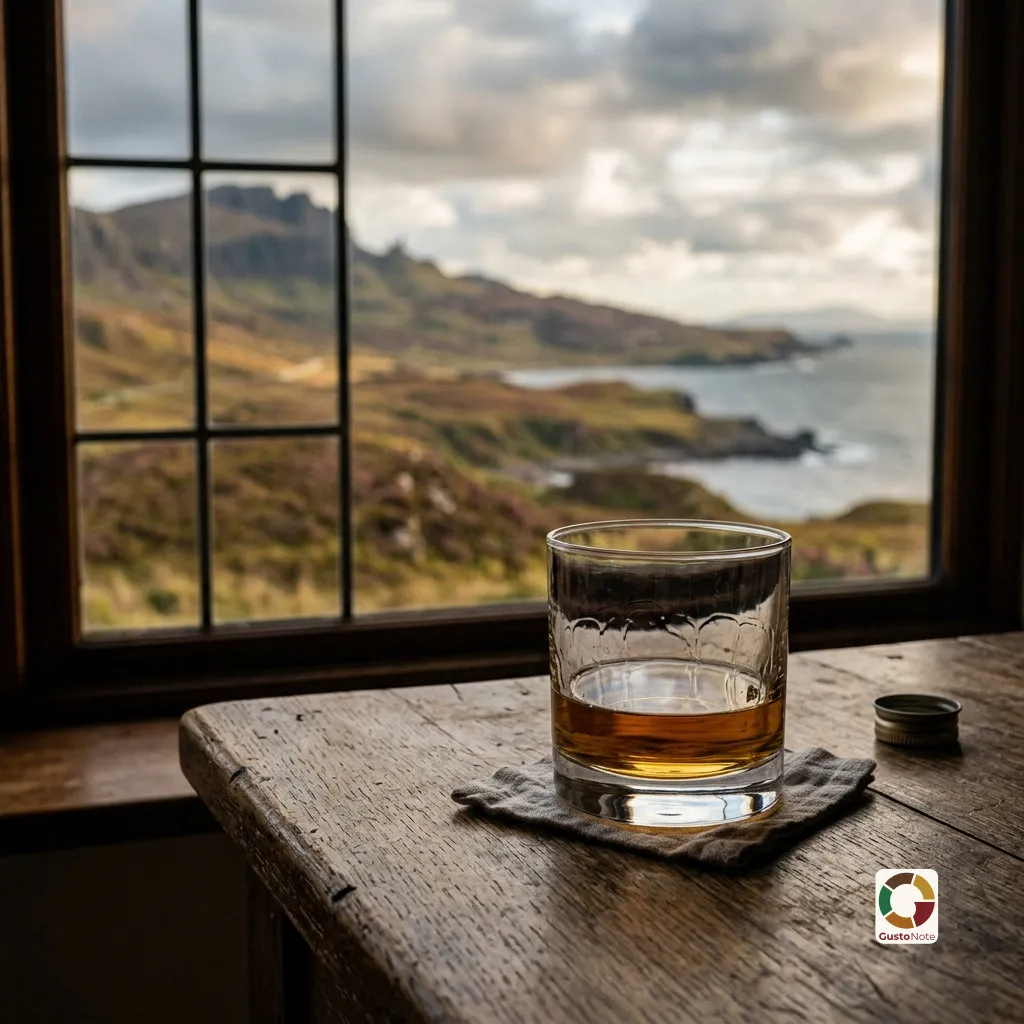
Highlands, Lowlands and Campbeltown - three faces of Scotch whisky
Beyond Islay and Speyside, Scotland has three more whisky regions with their own character. The gentle, triple-distilled Lowlands, the vast and varied Highlands, and the oily, maritime Campbeltown.
Irish whiskey - triple distillation and single pot still
Irish whiskey is famous for its smoothness, triple distillation and the unique single pot still category. Where its softness comes from, why it uses unmalted barley, and how it really differs from Scotch.
Bourbon explained - corn, new charred oak and sour mash
Bourbon is American whiskey with strict legal rules. Why it must be over half corn and aged in a new charred barrel, what gives it sweetness and vanilla, and what sour mash and wheated bourbon mean.
Rye whiskey - spicy rye
American rye whiskey is the dry, spicy, herbaceous cousin of bourbon. Why it must be over half rye, where its peppery, herbal character comes from, how it differs from bourbon, and why it rules classic cocktails.
Bourbon mashbill: wheated vs high-rye - where the sweet or spicy flavour comes from
Bourbon is at least 51 percent corn, but the rest of the recipe decides everything. Wheated (with wheat) is soft and sweet, high-rye (with rye) spicy and sharp. Where these flavours come from and how to recognise them. A guide with a table.
Japanese whisky - why it is so prized
Japanese whisky reached the world's summit in a hundred years. Where its Scottish roots come from, what Japanese precision and lightness mean, what the exotic mizunara oak is, and why you should watch the labels.
World whisky - Taiwan, India, Wales and Sweden
Whisky is now made far beyond Scotland: in Taiwan, India, Wales and Sweden. Why it matures several times faster in a hot climate, how Kavalan changed the whisky world, and why age is losing its meaning.
Icelandic whisky smoked with sheep dung - when there is no peat
In Iceland there is no peat and no trees, so the local distillery smokes its malt with sheep dung, an old Icelandic fuel. It is not a gimmick but a necessity and tradition. Here is the story of this remarkable whisky maturing at the foot of a volcano and how the lack of peat breeds originality.
Tennessee whiskey and the Lincoln County Process
Tennessee whiskey is a bourbon that goes through one extra step: filtration through sugar maple charcoal. What the Lincoln County Process is, why it changes the flavour, how it differs from bourbon and why Jack Daniels refuses to be called a bourbon.
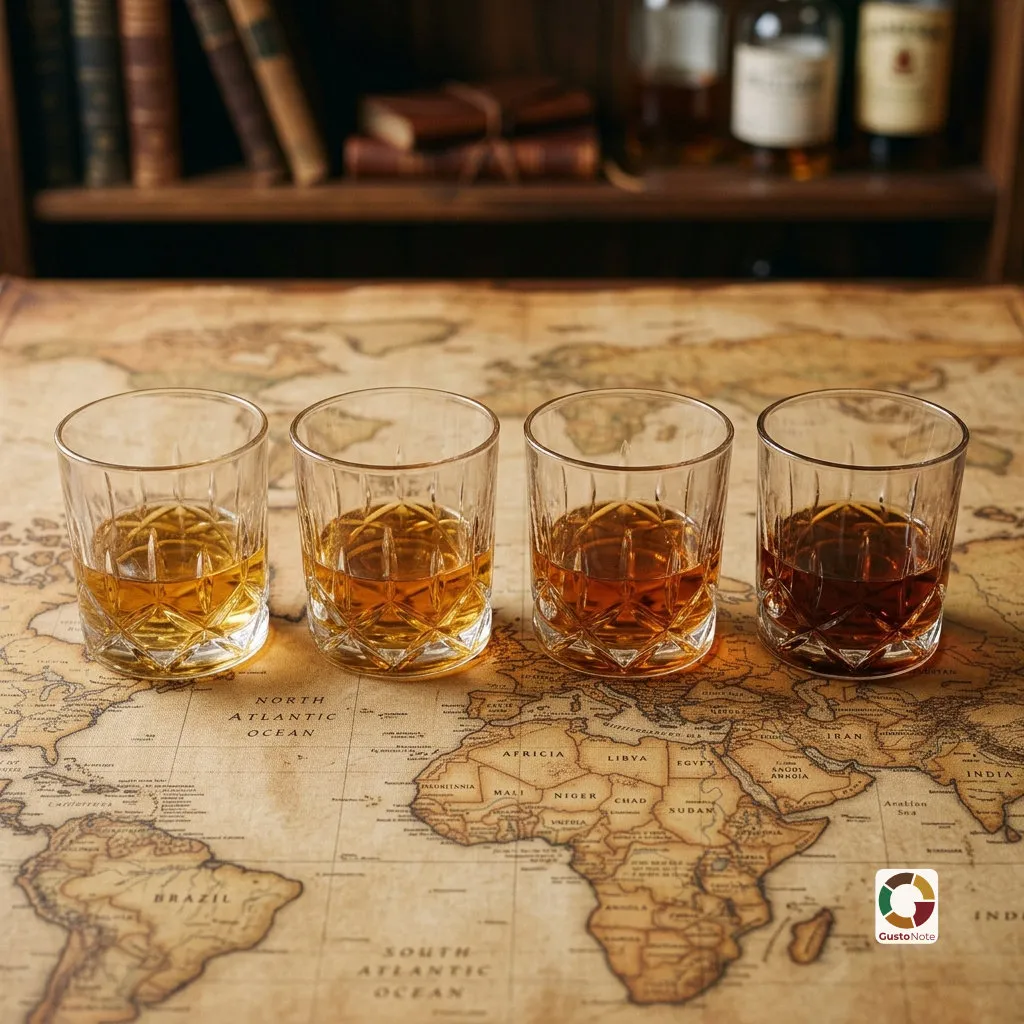
Whisky around the world - how Scotch, Irish, bourbon and Japanese differ
Scotch, Irish, bourbon and Japanese - how whisky styles really differ. Barley versus corn, peat, the type of cask, and where to start.
American single malt: a new category from the USA
American single malt is a new, official whisky category, recognised by the TTB in 2025 - the first new whisky type in the USA in over 50 years. Get to know the definition, how it differs from Scotch, and why it is a breakthrough for American whisky. A guide with a table.
Canadian whisky and the rye renaissance - a light style that matures
Canadian whisky is sometimes dismissed as light and smooth. Learn about its unique blending method, the controversial 9.09 percent rule and the renaissance in which rye and craft return to the game. A guide with a table.
Corn whiskey and moonshine - the American roots of whiskey
Before bourbon there was corn whiskey and moonshine. A raw, unaged distillate of at least 80 percent corn and the illegal hooch of the Appalachians. How they differ, where their history and flavour come from. A guide with a table.
Indian whisky - Amrut, Paul John and a world revolution
Indian single malt went from a back-shelf curiosity to a star of the world competitions. Learn about Amrut, Paul John and Rampur, tropical maturation and the scene beating the Scots at their own game. A guide with a table.
Australian and Tasmanian whisky - a young, award-winning scene
Australia, and especially the island of Tasmania, is one of the most awarded young whisky scenes in the world. Learn about Sullivans Cove, Lark, the role of the warm climate and why these single malts beat the Scots. A guide with a table.
Shochu, awamori, baijiu - the Asian borderlands of spirits
Beyond whisky, Asia has its own great spirits: Japanese shochu, Okinawan awamori and Chinese baijiu - the most-drunk spirit in the world. Learn the role of koji and qu mould, the raw materials and the flavours. A guide with a table.
Do Scotland whisky regions still make sense
Speyside, Islay, the Highlands - do these regions really tell you anything about flavour? Learn the arguments for and against, why peat no longer gives away Islay and what really shapes a whisky character. A guide with a table.
Japanese whisky 2021 rules - the end of the fakes era
Until 2021 "Japanese whisky" could be Scotch in a Japanese bottle, or not even whisky. The 2021 standards finally define the term. What exactly they change, the shochu and koji loophole and why they are only voluntary.
English whisky - the quiet distillery renaissance
Two decades ago England had not a single working whisky distillery. Today there are nearly fifty, winning awards and fighting for their own name protection. Where the renaissance came from, how English whisky differs from Scotch and why it is worth knowing.
Light whisky and grain neutral - the other face of American grain
Light whisky is a little-known American category created in 1968 as an answer to vodka. It is distilled high and aged in used barrels. What it is, how it differs from bourbon and why it helped save bourbon.
Choosing and buying
Your first whisky - 5 bottles for a good start
Not sure how to begin your whisky journey? Instead of one expensive bottle it is better to get to know five different styles: Irish, Speyside, bourbon, lightly smoky and sherry. What to buy first, what to avoid and how to taste to quickly discover your palate.
Budget whisky - how not to be disappointed
Good whisky can be bought for sensible money if you know what to look for. How to choose an affordable bottle, why age does not mean quality, which categories give the most for their price and which marketing traps to avoid at the shelf.
How to start tasting whisky on a budget - samples and advent calendars
Do not buy expensive bottles right away. How to start with whisky cheaply: samples, miniatures, advent calendars and tasting sets. Get to know many styles without a big outlay. A practical guide.
Peated whisky for beginners - how to tame the smoke
Peated whisky divides people like no other, but smoke can be learned. What peat and the PPM scale are, why Islay tastes of iodine, which bottles are a gentle gateway to smoke and how to taste so you come to like it rather than be put off.
Whisky as a gift - how to choose so you hit the mark
Whisky is a great gift, but it is easy to miss when you do not know the recipient taste. How to choose a bottle for a beginner, a smoke lover or a collector, why not to be guided by age and packaging alone and which safe styles hit the mark almost every time.
Whisky as an investment - is it worth it
Whisky is often marketed as a sure investment, but the reality is more complex. How investing in casks differs from bottles, what returns and risks they carry, why limited editions can be a trap and whether it is worth it at all if you love the spirit.
Independent whisky bottlers - what they are and why they matter
Signatory, Gordon & MacPhail, Douglas Laing. What independent whisky bottlers are, how they work and why they give access to casks you cannot buy officially. A beginners guide.
Single cask and store picks - what they mean and how they differ
Single cask is whisky from one cask - unrepeatable. A store pick is a cask chosen by a shop. Learn the difference, the link with cask strength and why these bottles are often the best. A guide with a table.
Closed distilleries and silent stills - Port Ellen, Brora, Rosebank
Port Ellen, Brora and Rosebank are legendary closed distilleries, ghost whisky. Learn why they were shut in the 1980s and 1990s, why the bottles cost a fortune and what their return to life means. A guide with a table.
Whisky auction records - Macallan, Yamazaki and millions a bottle
The most expensive whisky in the world costs millions. Learn the auction records: Macallan 1926 for over 1.5 million pounds, Yamazaki prices and why bottles reach such sums. What drives the market and whether it is an investment. A guide with a table.
The oldest whisky in the world - 80 years in a cask of oak felled under Victoria
The oldest bottled Scotch whisky matured for 80 years, filled into a cask in 1940. The oak for this cask was felled back in the Victorian era. Here is the story of this remarkable drink, what such long maturation means and why it is more than just a record.
How to spot fake whisky on the secondary market
Expensive whisky is a target for forgers. Learn how to spot fakes: provenance, fill level, the label, the closure, the glass and radiocarbon testing. What to watch for when buying a rare bottle. A guide with a table.
Vanishing casks - the anatomy of whisky investment scams
The market for investing in whisky casks has drawn fraudsters who sell casks that do not exist, casks at vastly inflated prices, and sometimes the same cask to many buyers. Here is how these scams work, why a cask registered to a company rather than to you is a trap, and how to protect yourself.
SMWS and coded bottlings - how to read whisky codes
The Scotch Malt Whisky Society bottles whisky under mysterious codes like 29.123. Learn how the system of distillery and cask numbers works, why the names are hidden and what the poetic names and flavour profiles mean. A guide with a table.
Serving
How to read a whisky label - single malt, age, cask and strength
Single malt or blend, age statement or NAS, cask strength, type of cask - what the words on a whisky bottle really mean and how to guess the taste.
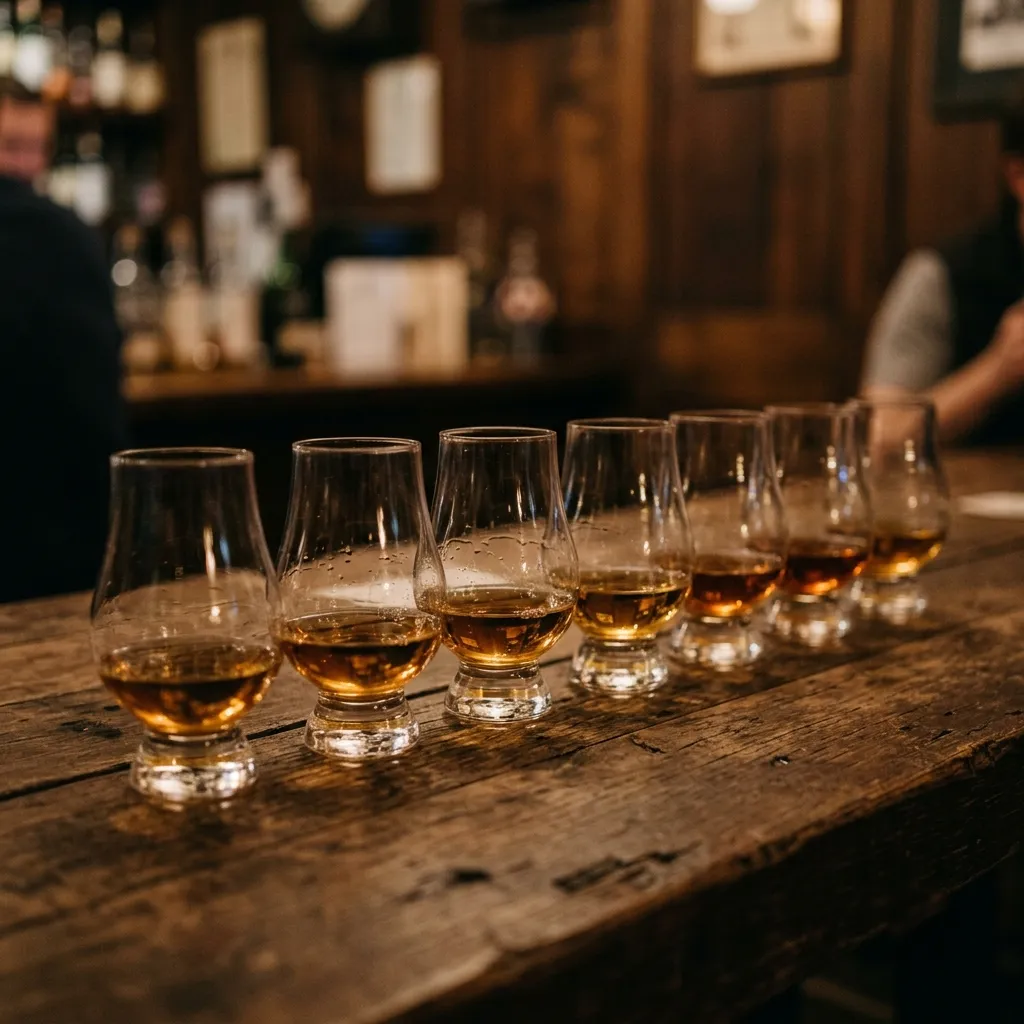
How to host a whisky tasting - setting up a flight and what to look for
A whisky flight is a few samples side by side that teach you more than ten single drinks. What theme to pick, what order, how much to pour and how not to burn out your palate.
A spittoon at a whisky tasting is not shameful but a mark of professionalism
Spitting out whisky at a tasting is not a sign of weakness but of sense. A spittoon protects the palate from being numbed by alcohol and lets you stay sober, especially if you are driving. What the spittoon is for, how to use it discreetly, and why even connoisseurs spit when trying many samples.
Whisky is sipped, not downed in one - sip, do not shoot
Downing whisky in one like a shot is a social false start at a tasting or distillery, because the whole point lies in small sips held on the tongue. Here is why whisky is sipped, how to do it properly, and why drinking it in one reveals that you have not understood why you are here.
Japan: never pour your own drink - the art of drinking together and Kanpai
In Japanese drinking culture you do not pour your own drink but pour for each other, keeping an eye on others glasses, and you drink only after a shared Kanpai. Here is what oshaku is, how to receive a pour with both hands, and why whisky with water, mizuwari, is the norm here, not a profanation.
Which whisky glass - Glencairn versus tumbler
The shape of the vessel changes how you perceive whisky more than you would think, because flavour is 90 percent aroma. What the tulip-shaped Glencairn is, what a copita is, why a wide tumbler scatters the scent and which glass to choose for tasting and which for relaxed drinking.
Why whisky opens up in the glass over time
Whisky can taste different after ten minutes in the glass than right after pouring. Learn the role of oxygen and alcohol evaporation, find out how long to give the drink, how water works and how opening up in the glass differs from oxidation in the bottle. A guide with a table.
Whisky stones or ice - what they really do to your glass
Whisky stones promised to be cleverer than ice: chilling without dilution. Physics says otherwise. How much they really cool, when they help and whether ice is the enemy.
Ice and cola in a single malt - whose business is it really
Adding cola or dropping ice into an expensive single malt draws judging looks, but the iron rule of etiquette is: never tell another person how to drink their whisky. Here is how to reconcile knowing what ice does to the aroma with simple courtesy toward other people taste.
Bourbon the American way: drink it how you like - imposing one method is the faux pas
In American bourbon culture there is one rule: drink it how you like. Neat, on the rocks, with water, in a cocktail like an old fashioned or mint julep - it is all fine. The real faux pas is imposing the one right method. Why bourbon is so democratic and how to behave with class around American whiskey.
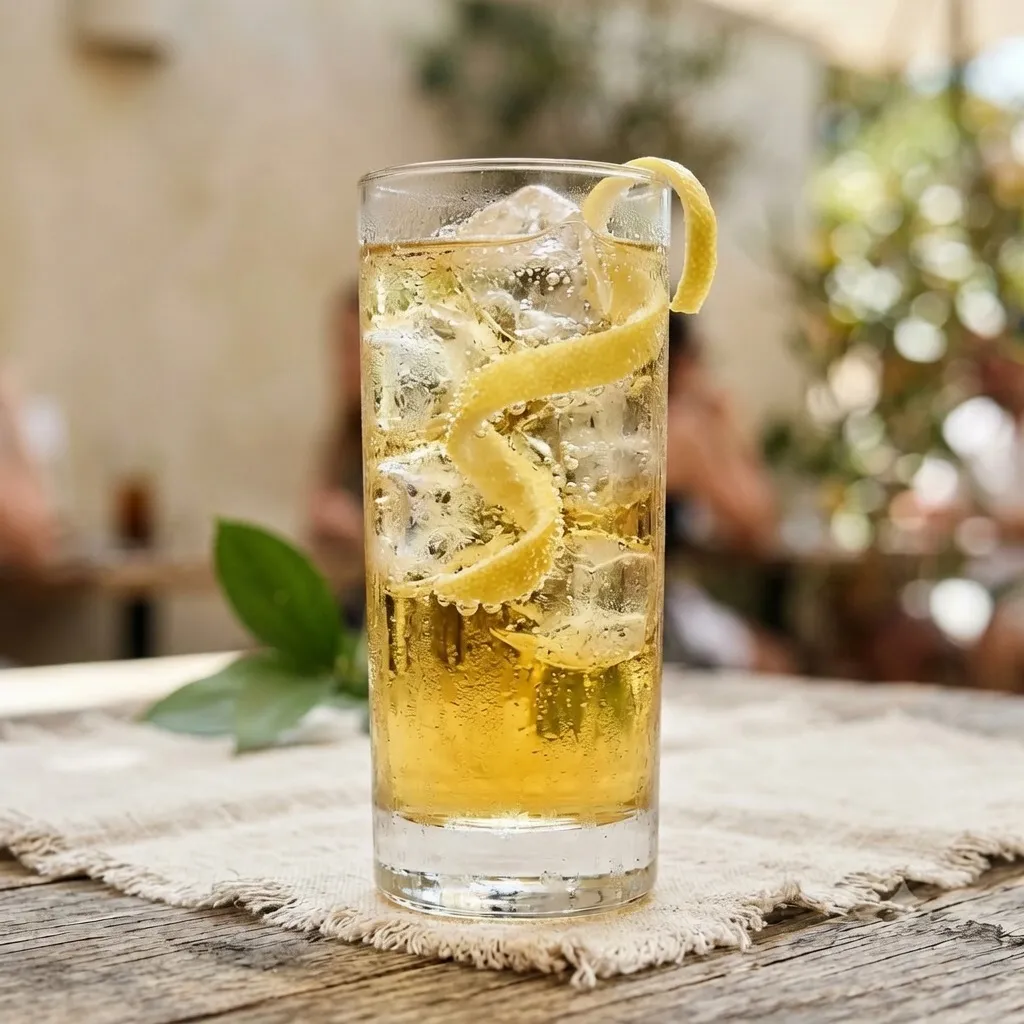
Whisky in summer - the highball, or how to drink whisky in the heat
Whisky is not just a winter fireplace. The highball - whisky with soda and ice - is the Japanese way to a refreshing, light drink. How to make it, which whisky to choose and what ratios to use.
How to order whisky at a bar - neat, on the rocks and the secret water back
Neat, on the rocks, with water, dram - the whisky bar vocabulary can be a riddle, and a precise order tells the bartender everything. Here is what these terms mean, what the insiders trick called a water back is, and how to order whisky confidently without coming across as a novice.
Slainte - how to toast with whisky and where water of life came from
The Scottish and Irish toast is Slainte, meaning health. Whisky takes its name from the Gaelic uisge beatha, water of life, from the Latin aqua vitae. How to raise a toast properly, how to pronounce Slainte, where the word whisky came from, and how not to look like a novice over a glass of single malt.
How long does an open bottle of whisky last - and how to protect it
Whisky does not spoil like milk, but an open bottle slowly loses flavour. What oxygen does to it, why the fill level is crucial and how to extend the life of your favourite dram.
Unusual whisky finishes - beer, tequila, wine and their mark
Beyond the classic sherry and port, whisky is now finished in casks that held IPA, stout, tequila, mezcal and unusual wines. What each cask adds, where curiosity ends and a marketing gimmick begins, and how to judge it.
Old Fashioned at home - the simplest great cocktail
The Old Fashioned is one of the oldest cocktails in the world and also the simplest: whiskey, sugar, bitters and an orange peel. The classic recipe, the ratios and the mistakes to avoid.
Whisky Sour, Manhattan, Penicillin - three cocktails worth knowing
After the Old Fashioned, time for more whiskey classics. The tart Whisky Sour, the elegant Manhattan and the modern Penicillin - recipes, ratios and the rule of when to stir and when to shake.
Hot Toddy - whisky for the cold, a cough and a winter evening
The Hot Toddy is a hot whisky cocktail with honey, lemon and hot water. The classic recipe, ratios, spiced variations and the truth about whether it really helps a cold.
Whisky and chocolate - how to match them into perfect pairs
Whisky and chocolate are one of the most pleasurable combinations in the world of taste. How to match them by intensity, which pairs work best and how to host your own tasting at home.
Whisky and cigars - how to match them into pairs
Whisky and a cigar are a classic, gentlemanly combination. How to match them by strength and character, which pairs work best and what to keep in mind. A guide for beginners.
Whisky and cheese - how to match these surprising pairs
Whisky and cheese are a surprisingly brilliant combination. How to match them by strength, which pairs work best and how to host a tasting at home. Bourbon with cheddar, Islay with blue and more.
Whisky for winter and the holidays - which to choose for cold evenings
Rich, warming, spiced. Which whisky for winter and the holidays: sherry cask, notes of dried fruit and spice, smoky drams. How to choose and serve whisky for cold, festive evenings. A practical guide.
Home vatting, solera and the infinity bottle - your own blend
What to do with leftover whisky? Create your own blend in an infinity bottle. Learn home vatting, the solera system at home, two approaches to blending, how to start and what mistakes to avoid. A guide with a table.
Whisky in the kitchen - sauces, marinades, desserts
Whisky is not only a drink for the glass, but also an excellent cooking ingredient. Learn its role in marinades, sauces and reductions, flambe and desserts, find out whether the alcohol evaporates and which whisky to choose for cooking. A guide with a table.
Pairing whisky with coffee, tea and ice cream
Whisky pairs superbly not only with food, but also with coffee, tea, ice cream and chocolate. Learn the rules of matching, classics like the whisky affogato, and which whisky to choose for smoky and sweet combinations. A guide with a table.