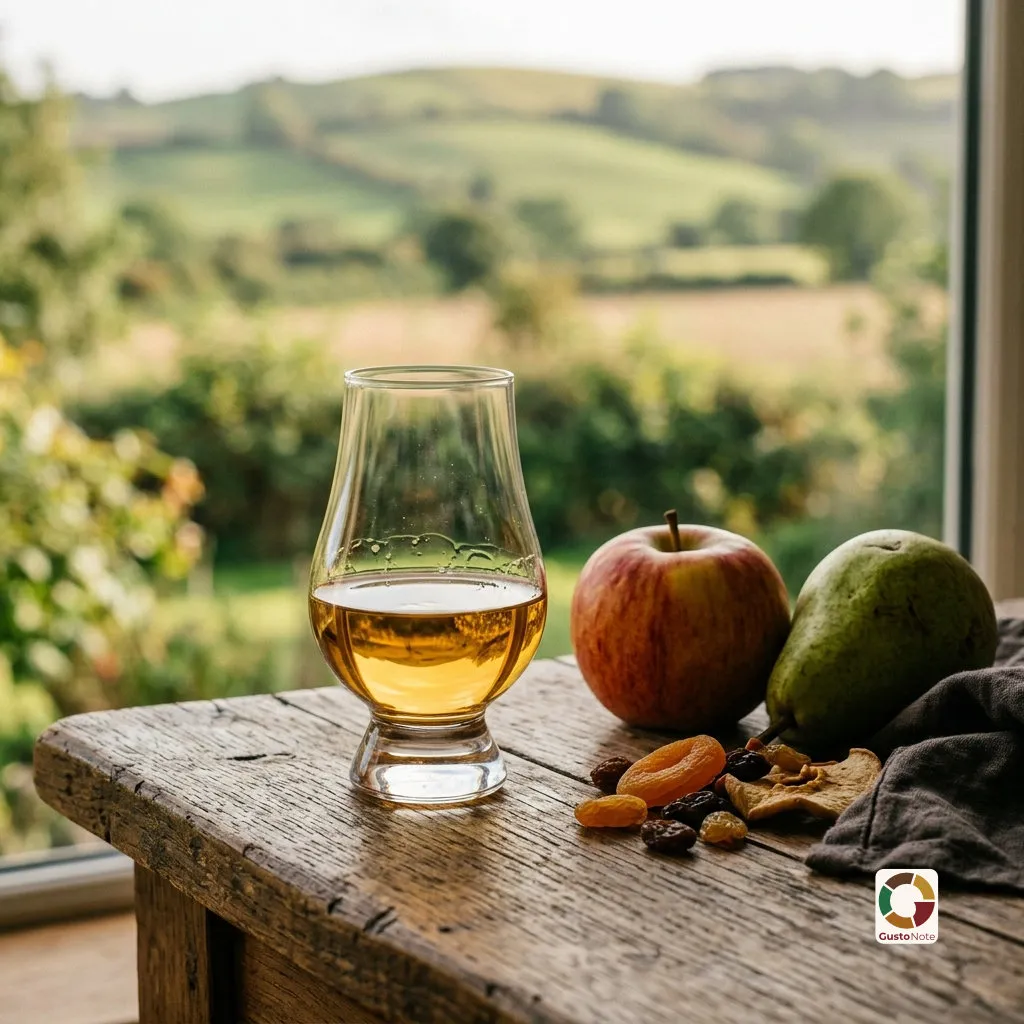
Speyside - elegance and fruit in the heart of Scotland
If Islay is the smoky, maritime extremist, Speyside is its elegant opposite. It is a small region in north-east Scotland, centred on the River Spey, and at the same time the most densely populated whisky region in the world. It holds over sixty working distilleries, and around two-thirds of all Scotch single malt comes from here. This is where the two best-selling single malts in the world are made. For many people Speyside is the best entry point into the world of whisky, because its style is approachable, fruity and free of the shock that peat can deliver.
Where the fruity, elegant style comes from
Speyside is famous for whisky that is elegant, gentle and fruity. Typical notes are apple, pear, dried fruit, honey, vanilla and delicate spice. These are whiskies that are subtle and harmonious rather than aggressive, built on sweetness and fruit rather than smoke. Most are completely unpeated, which puts them at the opposite pole from the island of Islay, which I cover in Islay - the peatiest island.
The role of soft water
One of the region’s secrets is the water. The River Spey and its tributaries carry some of the softest water in Scotland, low in dissolved minerals, largely thanks to quartzite at its sources. Soft water favours a clean, delicate spirit profile, without the sharpness that hard, mineral waters could bring. It is the same phenomenon that, in the beer world, gave rise to delicate pilsners.
The cask, or fruit and depth
The character of Speyside is largely shaped by the cask. The region is famous for the wide use of sherry casks, which add deep notes of dried fruit, raisins, nuts and spice to the whisky. Hence two clear streams within the region:
- Whiskies from ex-bourbon casks are lighter, paler, more floral and fruity, with notes of apple, pear, vanilla and honey. The classic example of this style is The Glenlivet.
- Whiskies from sherry casks are darker, richer, full of dried fruit, with raisins, figs, chocolate and warming spice. The flagship is The Macallan.
I break down exactly how the cask shapes flavour in how the cask shapes whisky, and where specific notes come from in where whisky flavours come from.
The most important distilleries
Speyside is a dense map of legendary names, many of which are a new whisky lover’s first contact:
- Glenfiddich and The Glenlivet are the two best-selling single malts in the world, mellow, fruity, ideal to start with.
- The Macallan is an icon of the sherry style, prized and collectible.
- The Balvenie is famous for its honeyed, rich whisky and traditional craft.
- Aberlour, Glen Grant and Glenfarclas round out a region of enormous variety within a single, elegant style.
Speyside versus the rest of Scotland
Speyside is best understood through contrast. Beside the smoky, maritime, medicinal whisky of Islay, Speyside is fruity, honeyed, smooth and approachable. These are two ends of the Scottish spectrum: one builds its character on peat, the other on fruit and the cask. That is why beginners are often advised to start with Speyside, and only later, once the palate has matured, reach for peat. You will find a full overview of whisky regions and countries in whisky around the world.
How to explore Speyside
The best way to feel the soul of the region is to compare a whisky from an ex-bourbon cask and one from a sherry cask side by side, for example in the style of Glenlivet and Macallan. The same region, yet two different faces: fresh fruit versus rich dried fruit. In GustoNote you note the cask type, the fruity notes and your impressions of every Speyside whisky, and after a few entries you will see whether you lean toward the light, floral side of the region or the dark, sherried one. It turns a general I like Speyside into a specific, conscious choice of bottle. If you are just starting, see how to fall in love with whisky.