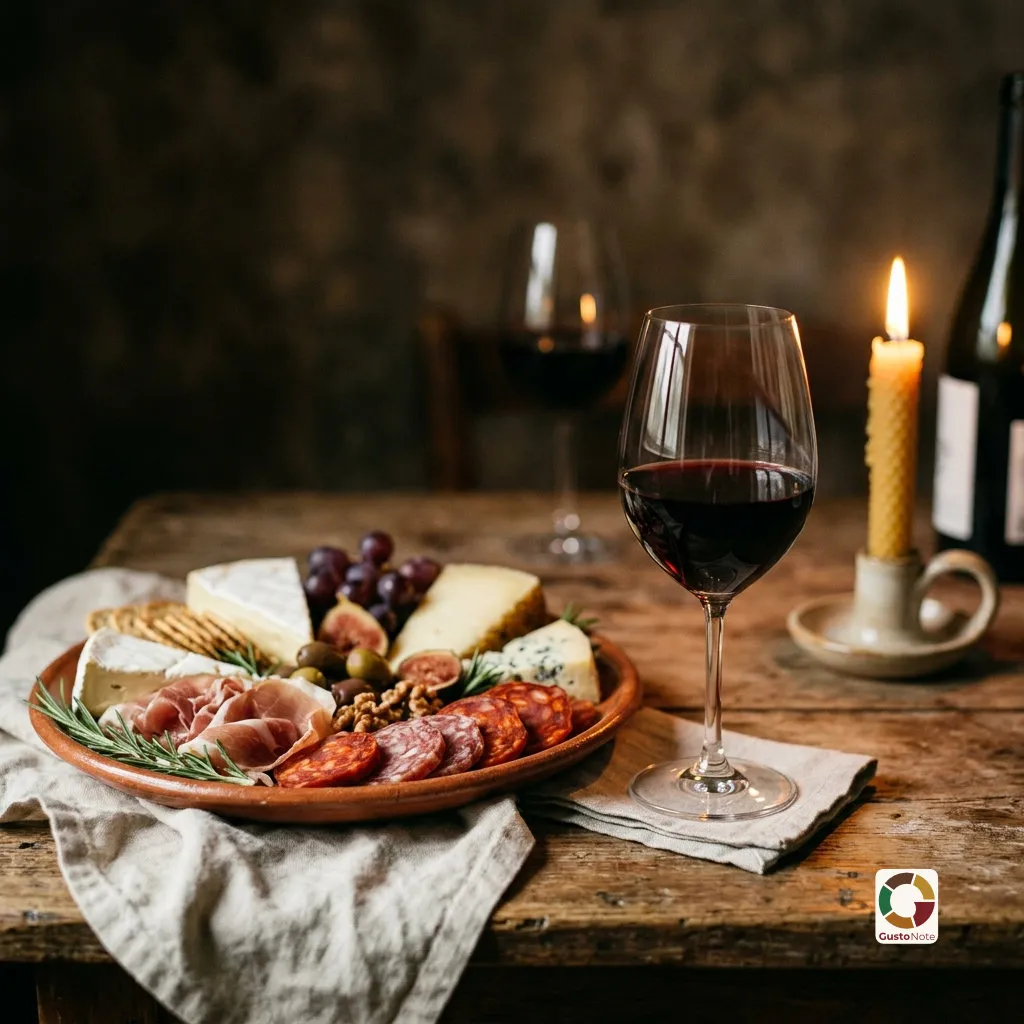
How to pair wine with food without mistakes
A good wine and food pairing can lift both, while a bad one can ruin even an expensive bottle. The good news: it is not black magic, just a handful of simple rules. Once they click, you stop guessing and start hitting the mark.
Rule number one: match the weight
The most important rule is almost embarrassingly simple: light dishes with light wines, heavy with heavy. A delicate fish will vanish under a powerful, tannic red. A hearty stew will bury a light, refreshing white. Think of wine like a sauce - it should accompany the dish, not fight it.
Acidity loves fat and acid
Wine with bright acidity (most whites, like Sauvignon Blanc or Riesling) works like lemon on a plate. It cuts through fat, refreshes and cleans the palate. That is why oily fish, fried food or creamy dishes pair so well with a crisp white. The same acidity also suits dishes with a tangy note, such as tomato sauce.
Tannins love protein and fat
Tannins are that drying, slightly rough grip in red wine. On their own they can be demanding, but with protein and fat the magic happens: steak, aged cheese and roast beef soften the tannins and pull the fruit out of the wine. Hence the classic: a bold red with red meat.
Sweetness for sweet and spicy
The wine should be sweeter than the dessert, otherwise next to the cake it will taste sour and hollow. So reach for sweet wines with desserts. A second trick: a sweet, lightly chilled wine is great at calming hot, spicy food - sugar tames the peppery fire better than a dry red, which turns bitter and aggressive against chilli.
What to avoid
A few classic traps:
- Very tannic reds with fish and seafood - you often get a metallic aftertaste.
- A dry wine with a sweet dessert - the wine turns thin and sour.
- A delicate wine with a dish full of chilli or vinegar - the wine simply disappears.
The easiest route: stick to the region
If you do not want to overthink it, there is a golden cheat sheet: what grows together goes together. An Italian acidic red like Chianti was born in the land of pasta and tomatoes, and it fits it perfectly. A wine from a cheese region usually plays well with the local cheese. The cuisine and winemaking of a place matured together over centuries, so that pairing rarely lets you down.
Write down what worked
You will only remember the best pairings if you note them - otherwise in a month you will not recall which wine went so nicely with that cheese. In GustoNote you can add, with each tasting, what you drank the wine with and how it went. After a few entries you have your own list of proven matches, the aroma wheel suggests words for what you feel, and the radar shows the wine profile. Next time you pick a pairing from memory, not by chance.