Wine guide
Where to start
New to the topic? Read these in order, step by step:
- 1How to actually taste wine - without the snobbery
- 2Acidity in wine - the backbone that holds it all upright
- 3Tannins in wine - where they come from and how to feel them
- 4Wine body - what light, medium and full really mean
- 5Red, white, rosé, sparkling, dessert - what really sets them apart
- 6How to read a wine label and not get fooled by the bottle
All articles
Basics and tasting
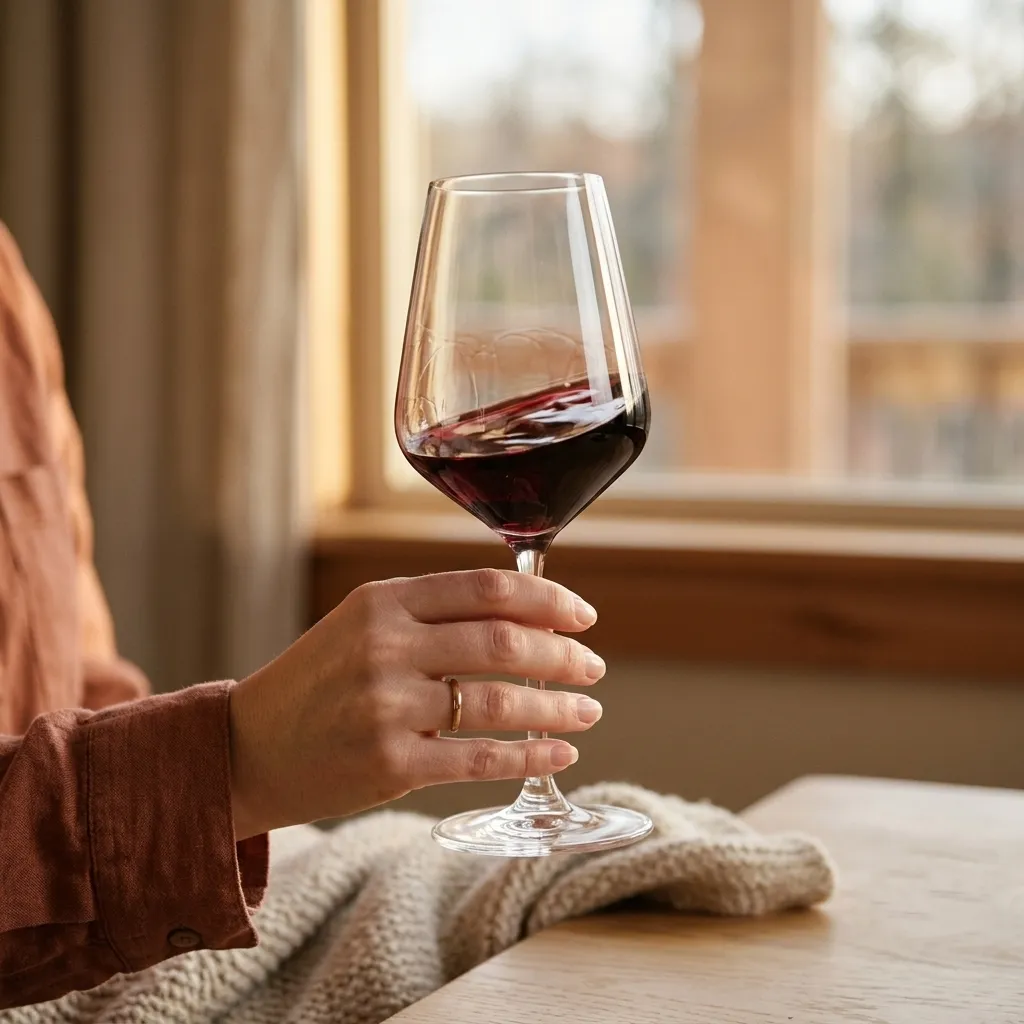
How to actually taste wine - without the snobbery
You split wine into nice and not-nice, red and white - and that is it? It is not a lack of talent, just a few simple habits. A relaxed guide to start tasting wine and finally feel something.
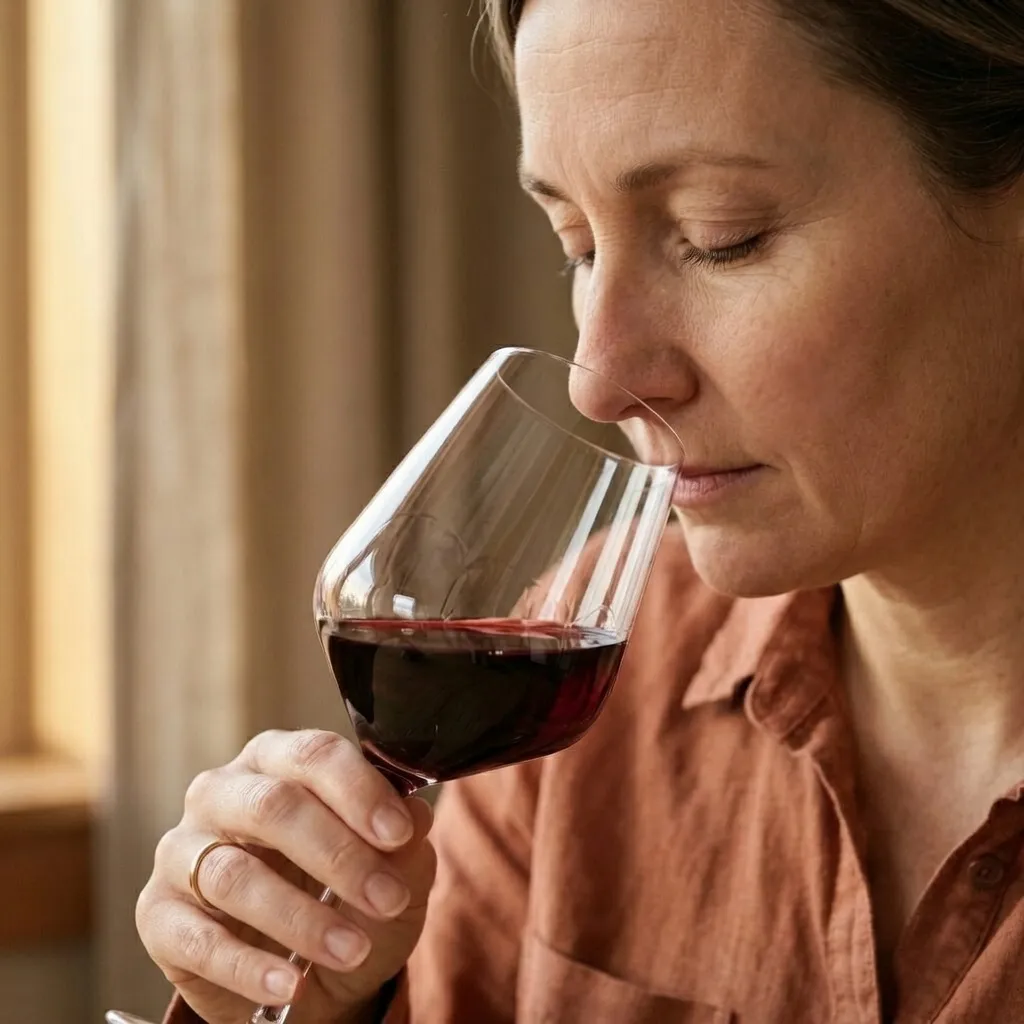
How to calibrate your palate: from "tasty" to a precise description
Palate calibration means comparing your own description of a wine with the typical profile of the grape. A practical, step-by-step guide.
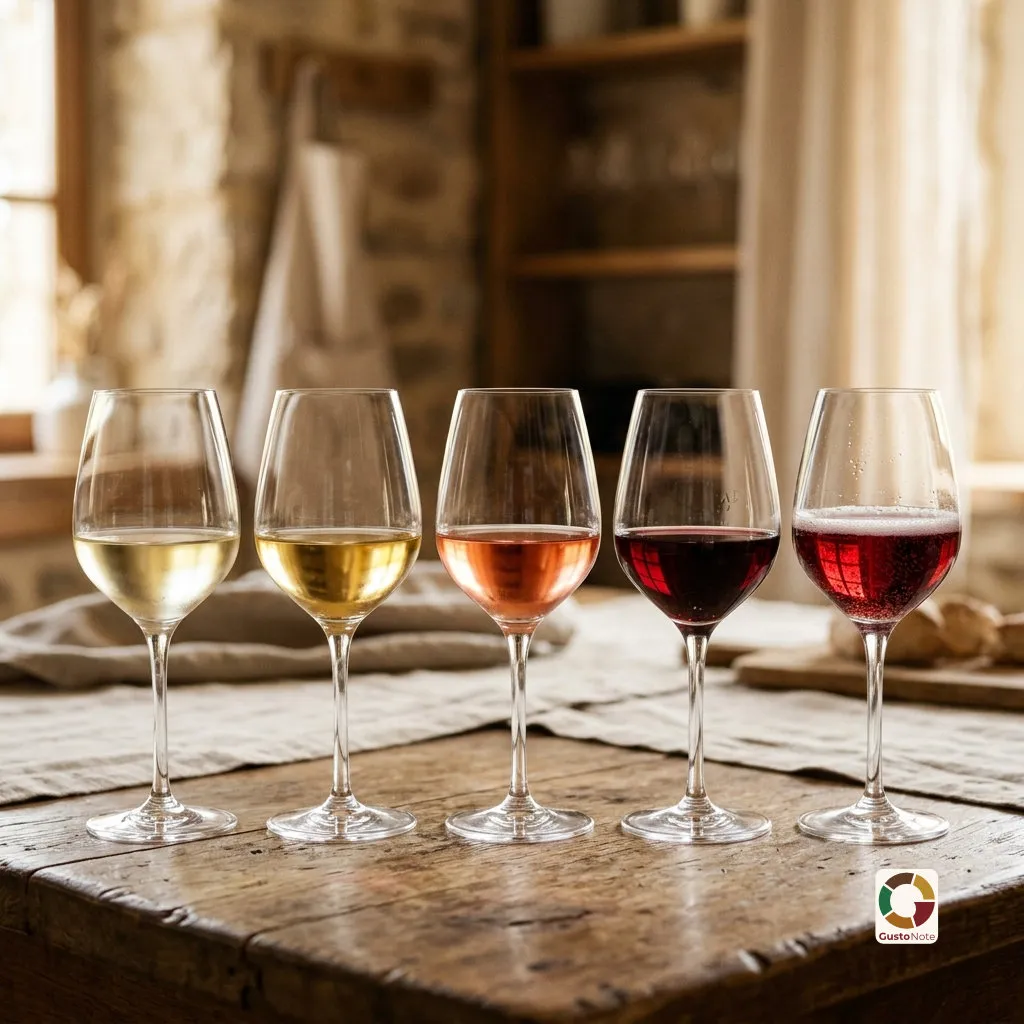
Red, white, rosé, sparkling, dessert - what really sets them apart
Five kinds of wine and one simple rule that divides them. Where the colour comes from, where the bubbles come from, where the sweetness comes from - and how to taste it, not just read it on the label.
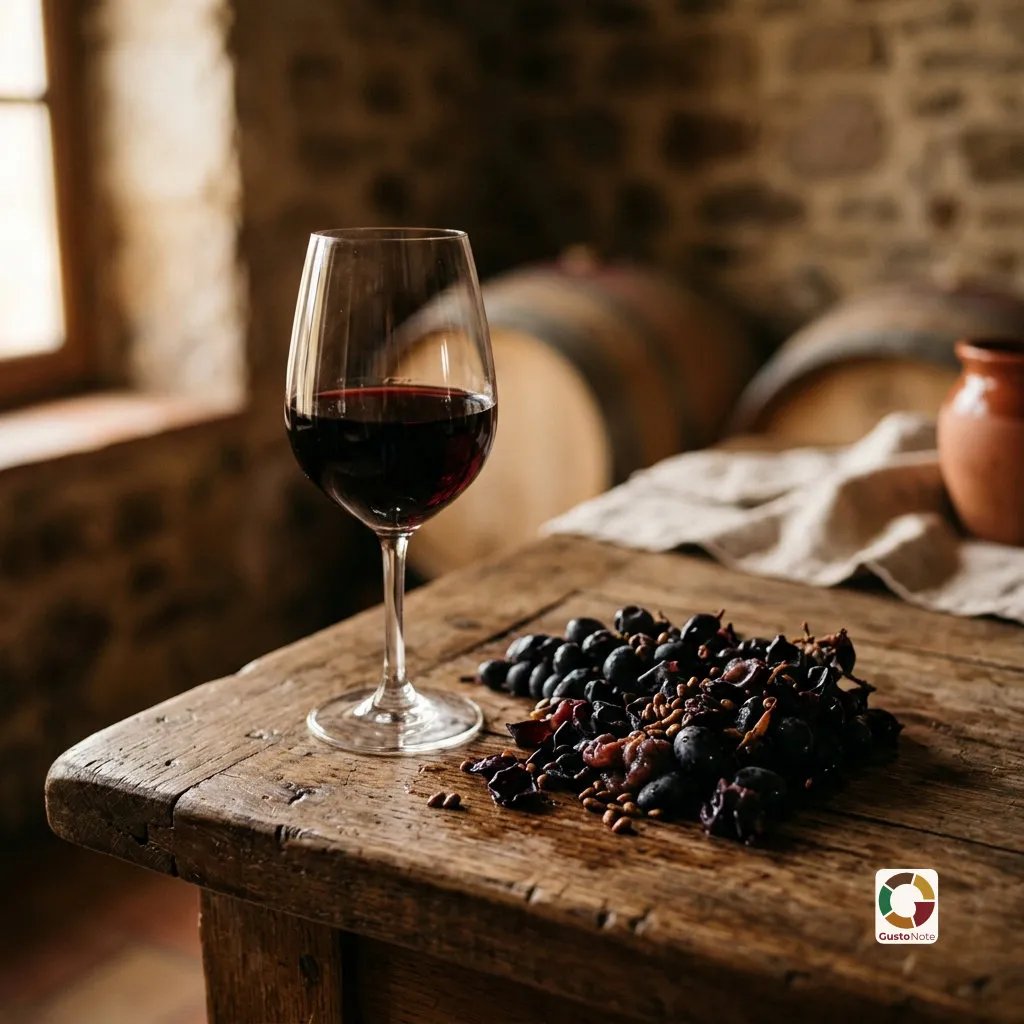
Tannins in wine - where they come from and how to feel them
Tannins are the backbone of red wine. Where they come from, why they dry your mouth, how to tell ripe ones from harsh ones, and why they decide whether a wine can age.
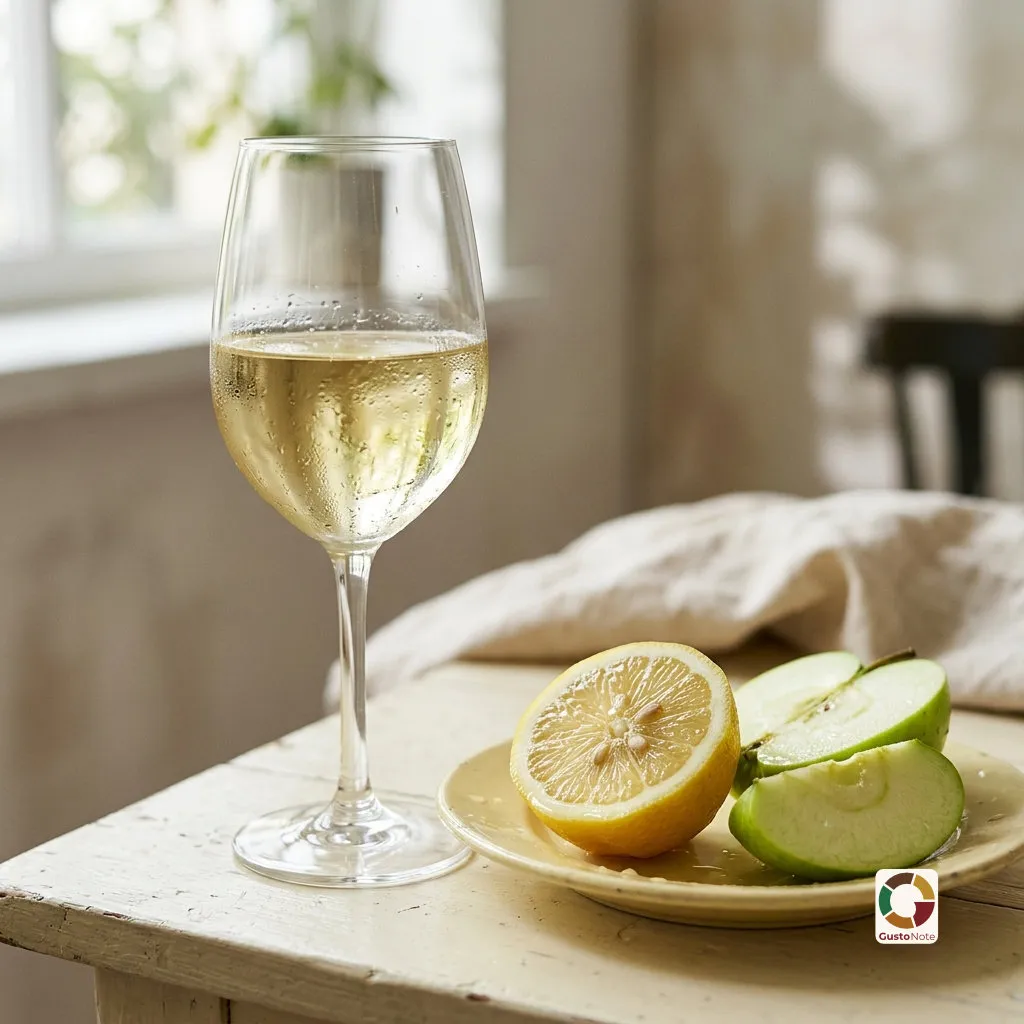
Acidity in wine - the backbone that holds it all upright
Acidity is not a fault but the skeleton of good wine. Where it comes from, why it makes your mouth water, how to tell a fresh wine from a flat one, and why it decides food pairing.
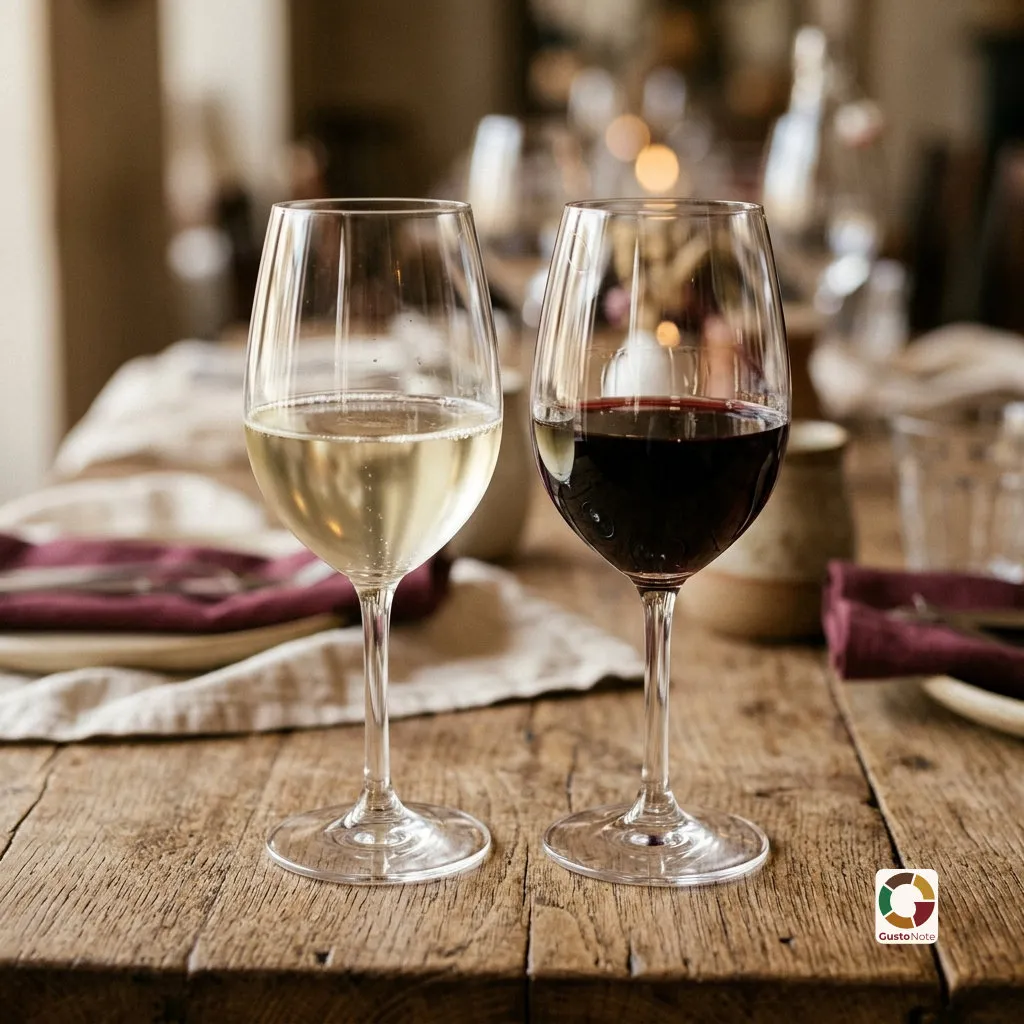
Wine body - what light, medium and full really mean
The body of a wine is the sense of its weight and density in your mouth. Where it comes from, how to spot it with a simple test, and why it decides whether a wine suits a dish and a season.
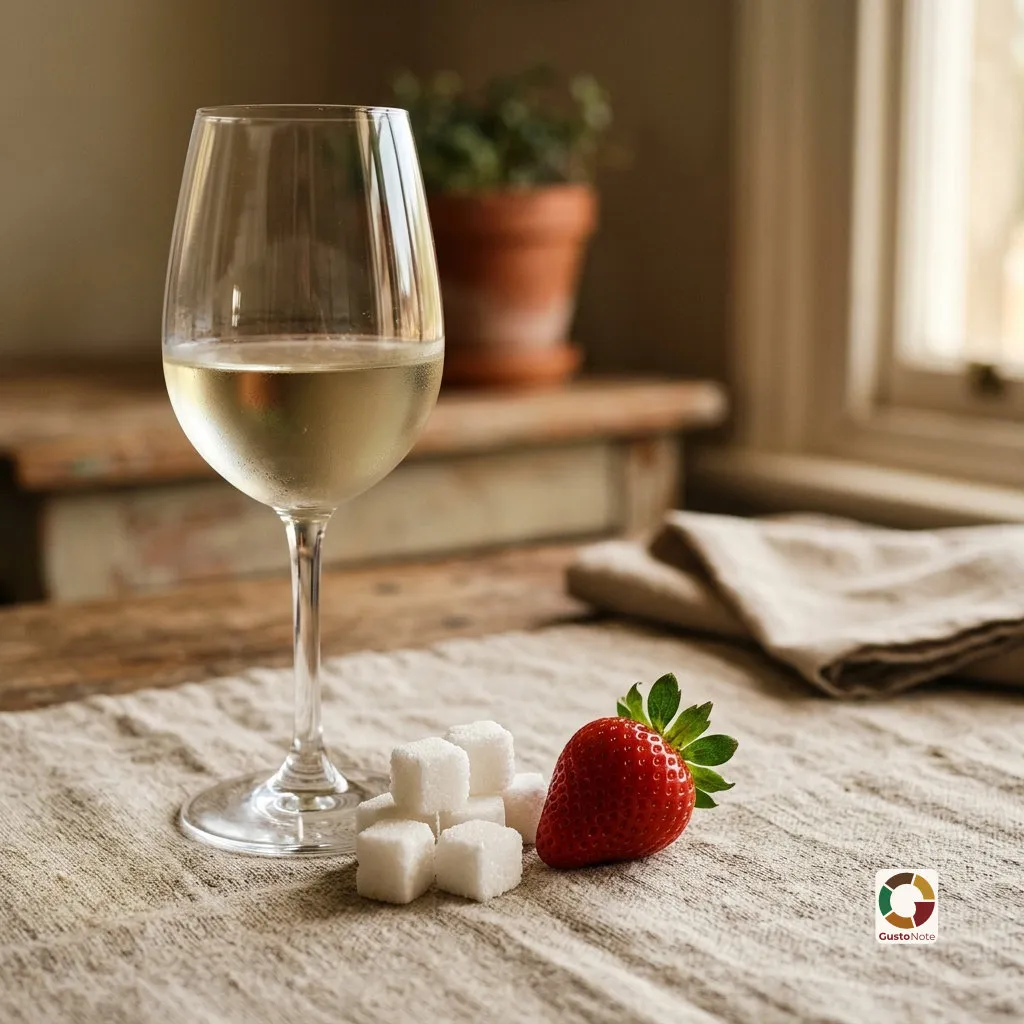
Dry vs sweet - what „dry" really means in wine
Dry wine is not the same as harsh or sour. Where sweetness comes from, why a dry wine can smell fruity without being sweet, and how to read the scale from brut to sweet.
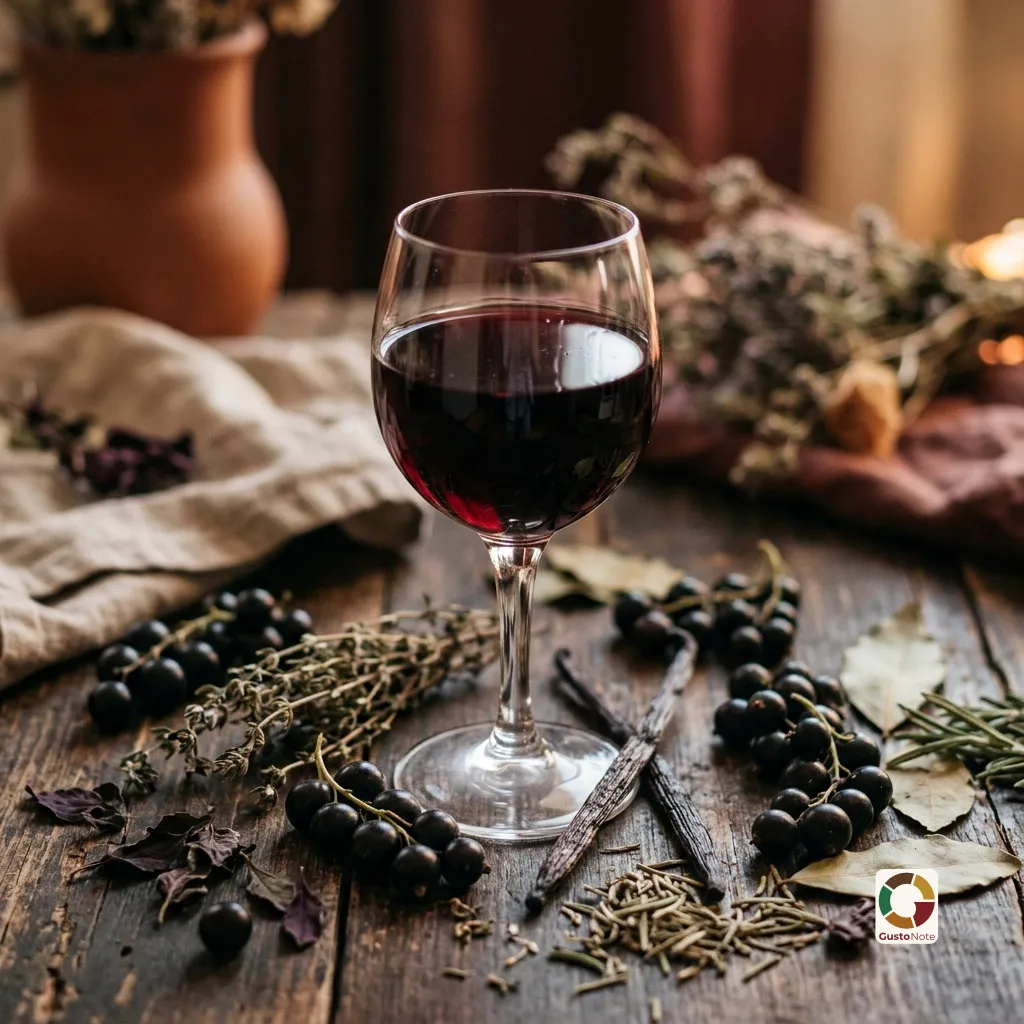
Why wine smells of fruit it does not contain
In a wine made only from grapes you smell cherry, lemon, even vanilla or leather. Where these aromas come from, why they are not additives, and how to learn to recognise and name them.
Wine legs and tears - what they really mean
The streaks running down the glass are not a sign of quality but physics. Where legs and tears come from, why it is the Marangoni effect, what they really reveal about alcohol and sugar, and which myths to drop.
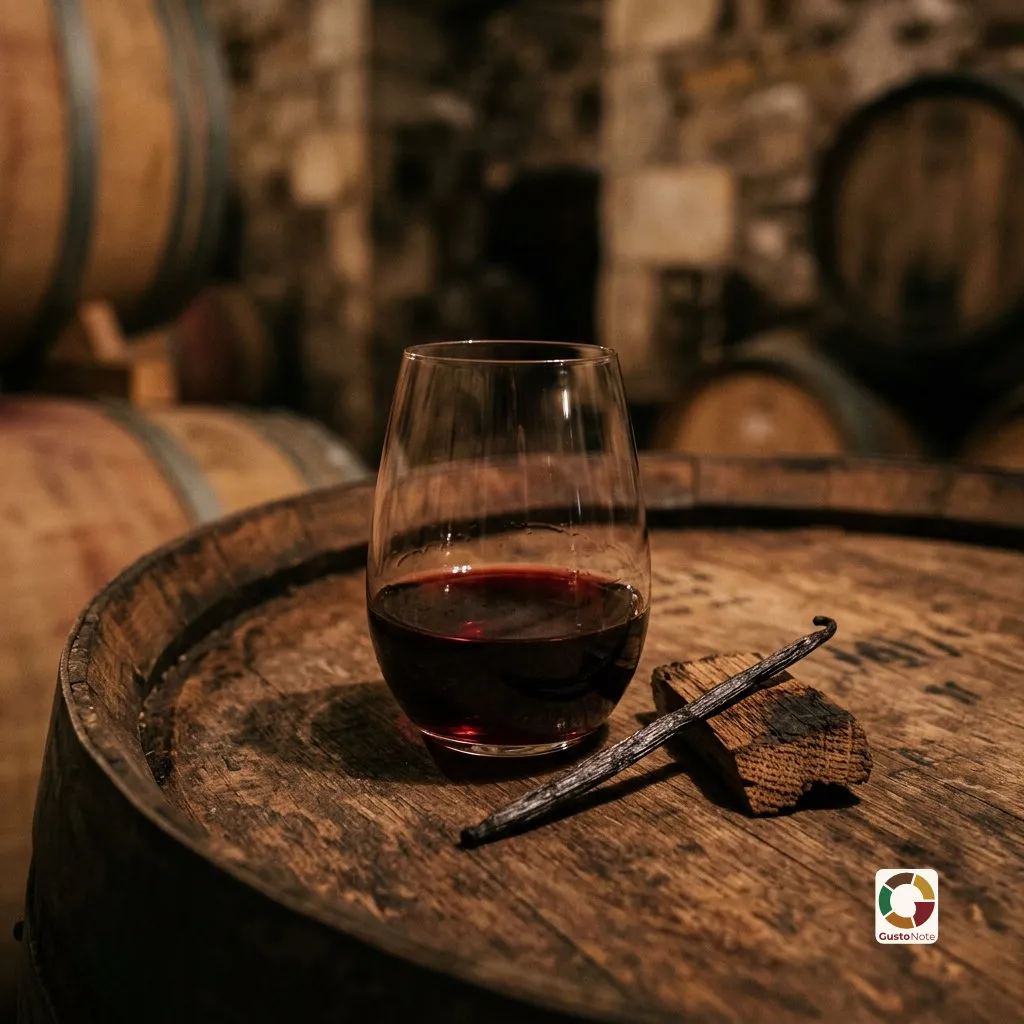
Where wine gets oak, vanilla and toast - the role of the barrel
Vanilla, toast, coconut and spice in wine do not come from grapes but from the oak barrel. How oak shapes flavour, how French oak differs from American, what the toast level means, and how to spot an over-oaked wine.
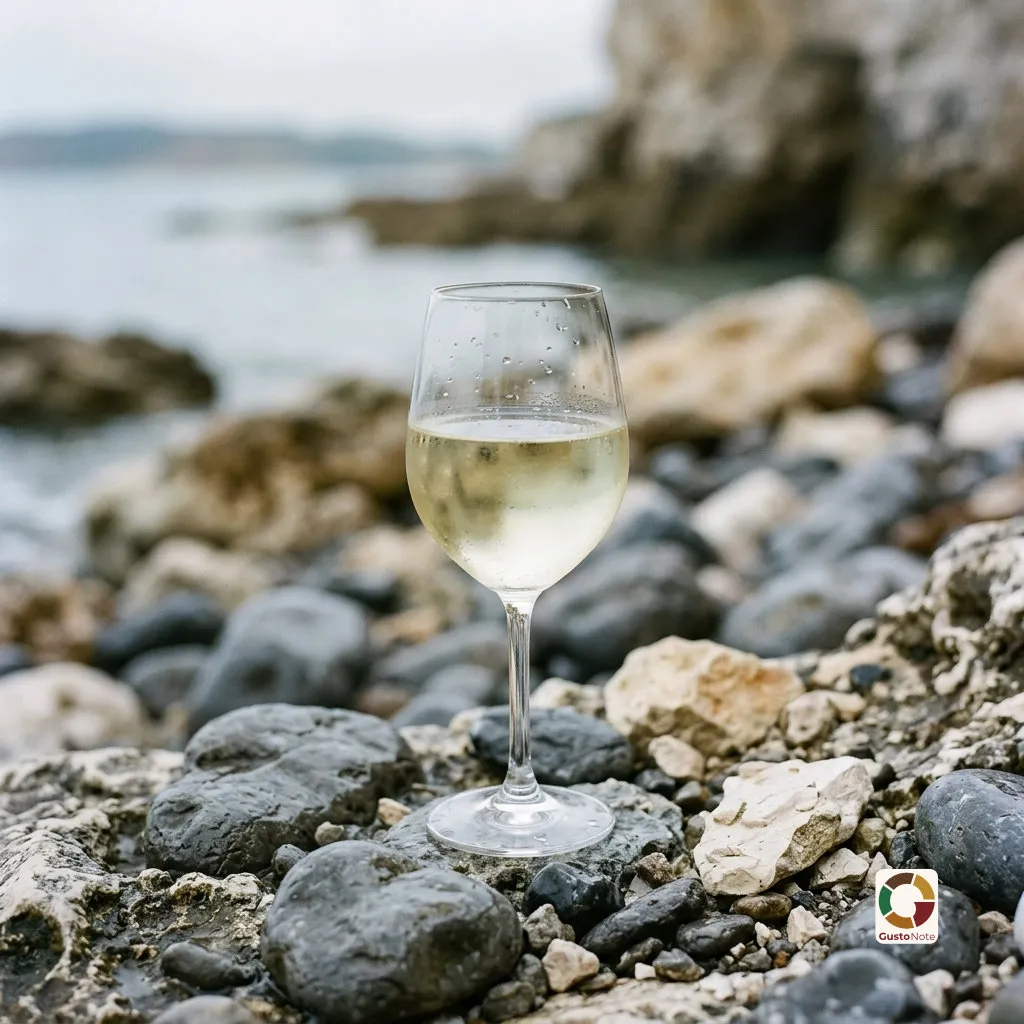
Minerality in wine - what it actually is
Minerality is one of the most used and most debated words in wine tasting. Does wine really taste of stones from the soil, where the sense of flint and chalk comes from, and how to recognise so-called mineral wines.
Terroir - what the word really hides
Terroir is not magic or marketing but the sum of a place: soil, climate, slope and aspect, and even the microbes in the ground. What the taste of place really means, what science says and why the same wine from different vineyards tastes different. A guide with a table.
The influence of soil on wine: limestone, slate, granite, terra rossa
Soil shapes wine, but differently than you think - through water, heat and drainage, not by sucking up minerals. Limestone, slate, granite and terra rossa, and the flavour in the glass. Four soils and their wines - a guide with a table.
Vintage - why the weather decides the wine
The year on the label is not a date but information about the weather. The sun, rain and heat of a given season shape the ripeness, acidity and style of a wine. Why vintage matters more in Bordeaux than in California. A guide with a table.
Climate change and wine: migrating regions and higher alcohol
Warming changes the world of wine: harvests are earlier, alcohol higher, acidity lower, and regions shift north. Learn how climate change affects wine, who gains, who loses and how winemakers adapt. A guide with a table.
Phylloxera and rootstock: why European vines grow on American roots
Phylloxera, a louse from America, nearly destroyed European vineyards in the 19th century. The rescue turned out to be grafting vinifera vines onto resistant American roots. Get to know the history of the greatest crisis in the history of wine and its unexpected solution. A guide with a table.
Sulfites in wine - do they really cause headaches
Sulfites get blamed for the headache after wine, but science says otherwise. What sulfites are for, why red has fewer than white and what really causes a wine headache. Facts, no myths.
Natural, organic, biodynamic wine - what these words mean
Natural, organic, biodynamic - fashionable words on wine labels that are easy to confuse. What they really mean, how they differ, which are certified and how to read them. A practical guide, no spin.
Ducks instead of pesticides - an army of birds patrolling the vineyard
In a South African vineyard, hundreds of Indian Runner ducks march between the rows every day, eating snails and pests instead of chemicals. It is an ecological and charming method of protecting the crop. Here is how the duck patrol works and why it is effective.
Wine hangover - where it comes from and why red gives a worse one
Why is a wine hangover sometimes worse than from other drinks, especially red? The role of congeners, histamines, tannins and dehydration, and how to genuinely reduce it. Honest facts, no miracles.
How many calories in a glass of wine - red, white, sweet
How many calories in a glass of wine? Red, white, dry, sweet and sparkling - concrete numbers and what decides the calorie content. Why alcohol and sugar matter. An honest guide, no myths.
Malolactic fermentation - where buttery chardonnay comes from
The second, hidden fermentation of wine. What malolactic fermentation is, how it turns sharp malic acid into soft lactic, where the buttery note in chardonnay comes from and why riesling avoids it.
Ageing on the lees - where wine gets its creaminess and depth
Sur lie, batonnage and yeast autolysis: how dead yeast gives wine body, brioche notes and protection against oxidation. Where the creamy texture of chardonnay and the depth of fine fizz come from.
Carbonic maceration and Beaujolais Nouveau - where the fruity, light style comes from
Fermentation inside whole berries with no yeast: how carbonic maceration gives light, fruity wines with notes of banana and bubblegum. Where Beaujolais Nouveau comes from and why it tastes different.
Cold soak maceration - drawing out colour and fruit without harsh tannins
Soaking crushed grapes cold before fermentation: how a cold soak draws colour and aroma from the skins without the hard tannins of the pips. Where the deep colour and fruit of reds come from.
Pigeage versus remontage - how colour and tannin are drawn from reds
During red wine fermentation the skins float to the top and form a cap. Pigeage and remontage are two ways of managing it. How they differ, how they affect colour, tannin and oxygen, and why Burgundy prefers one and Bordeaux the other.
Whole cluster fermentation - the role of stems in wine
Some winemakers ferment red wine with whole clusters, stems included, instead of destemming. What it gives, how ripe stems differ from green ones, how it affects tannin, alcohol and aroma, and why Pinot and Syrah benefit from it.
Co-fermentation - why Cote-Rotie blends Syrah with Viognier
In Cote-Rotie a white grape, Viognier, is added to red Syrah and fermented together. It sounds odd, yet it gives darker colour and floral aroma. What co-fermentation is, how copigmentation works and why together, not after fermentation.
Saignee - bleeding juice for rose and concentration
Saignee is bleeding off some juice from a vat of red wine. From one decision two wines are born: a more concentrated red and a rose as a by-product. How it works, why saignee rose is different and when it makes sense.
Wine dealcoholization - how alcohol is removed
Alcohol-free and low-alcohol wine is made by removing alcohol from finished wine. The two main methods are reverse osmosis and the spinning cone column. How they work, what they lose, what they keep and whether it can be done well.
Amarone and appassimento - wines from dried grapes
Amarone is made from grapes dried for months until they lose a third of their weight. This is the appassimento method. How it works, how Amarone differs from sweet Recioto, where the density and strength come from and why it is one of Italy most powerful wines.
Vin doux naturel - Banyuls, Maury, Rivesaltes
Vin doux naturel is a French sweet fortified wine made by mutage, that is stopping fermentation with alcohol. How mutage works, how Banyuls, Maury and Rivesaltes differ and why some age in the sun in glass demijohns.
Tartrates - wine crystals on the cork and bottle bottom
Fine crystals on the cork or at the bottom of a wine bottle are tartrates, known as wine diamonds. Where they come from, why they are completely harmless, why more often in whites, what cold stabilization is and why they can be a sign of quality.
Reduction versus oxidation - match, garlic and how to spot them
Reduction and oxidation are two opposing wine faults. Reduction smells of struck match, rubber and garlic, oxidation of bruised apple and sherry. Where they come from, how they differ, how to spot them and when reduction can be fixed in the glass.
Sugar versus phenolic ripeness - when to harvest grapes
Sugar in grapes ripens faster than tannins and skins. This tension decides the harvest date. How sugar ripeness differs from phenolic ripeness, why seeds brown, what hang time is and why a warm climate complicates the decision.
Wild vs cultured yeast in wine - who really makes the fermentation
Wild yeast versus laboratory-selected strains: how the choice decides a wine complexity, terroir and risk. Where the character of spontaneous fermentation comes from. A guide with a table.
Brettanomyces in wine - fault or character? Horse leather and barnyard in the glass
Brett yeast gives notes of barnyard, horse leather, band-aid and smoke. Where it comes from, why some adore it and others hate it, and where character ends and fault begins. A guide with a table.
Chaptalization - adding sugar to the must, or sugaring wine
Why sugar is added to the must and why it is not about sweetness. Chaptalization in cool regions, where it is legal and where banned, and how it affects a wine alcohol. A guide with a table.
Micro-oxygenation and the role of oxygen - how controlled oxidation softens wine
Oxygen in small doses softens tannins and stabilises a wine colour. What micro-oxygenation is, how it mimics barrel ageing and why an excess of oxygen spoils wine. A guide with a table.
The barrel up close - French vs American oak, toast and barrel age
Where wine gets its vanilla, coconut and spice. French versus American oak, the toast level and new vs used barrel: how the wood shapes the flavour. A guide with a table.
Wine from amphora, qvevri and concrete eggs - back to the roots
Steel, oak, clay, concrete - the vessel shapes wine more than you think. Amphora, qvevri and the concrete egg give micro-oxygenation without the taste of oak. How the material affects flavour - a guide with a table.
Appellations of the world: AOC, DOCG, DO, AVA - how to read them
AOC, DOCG, DO, AVA - the abbreviations on the label are appellation systems that tie wine to a place and rules. How the strict French AOC differs from the loose American AVA and what they really guarantee - a guide with a table.
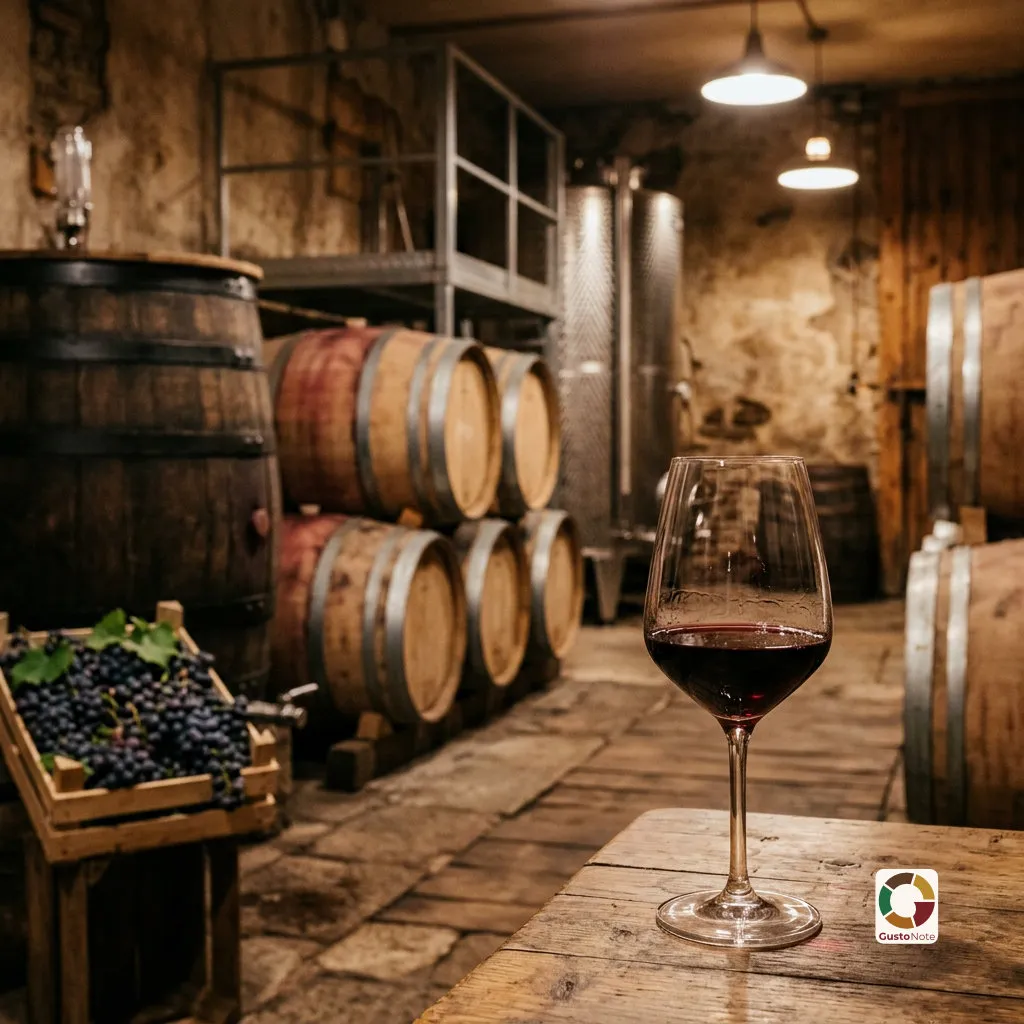
How wine is made - from grape to bottle
Winemaking in a nutshell: from harvest and crushing, through fermentation and maceration, to malolactic fermentation and ageing. Where colour, tannin and smoothness are born, and why red is made differently from white.
New World vs Old World wine - where two styles come from
The same cabernet from France and from California tastes completely different. Where the gap comes from, what Old World and New World really mean and how to spot each style in the glass.
Champagne vs Prosecco vs Cava - three roads to bubbles
All three sparkle, but they are three different worlds. Where the bubbles come from, how the method, grapes and taste differ, what they cost and when to reach for each.
Cremant - French sparkling wine beyond Champagne
Cremant is French sparkling wine made by the same method as Champagne, but outside Champagne. How it differs from Champagne, where the regional styles of Alsace, the Loire and Burgundy come from, and why it is a great, cheaper alternative.
England: sparkling wine from chalk and climate change
English sparkling wine is conquering the world thanks to chalk soil, the same as in Champagne, and a warming climate. Learn why Kent, Sussex and Surrey give outstanding sparkling from Chardonnay and Pinot Noir, how chalk works and how climate change opened a new region. A guide with a table.
Port, Sherry, Madeira - fortified wine without mystery
Fortified wine is a separate, fascinating world. What fortification is, how Port, Sherry and Madeira are made, how they differ in taste and how to serve them. A guide for beginners.
Botrytis (noble rot) - how mould makes the best sweet wines
The most famous sweet wines in the world are made from grapes attacked by mould. Botrytis cinerea concentrates the sugar and gives notes of honey and apricot. Sauternes, Tokaji, Beerenauslese - where this magic comes from. A guide with a table.
Icewine (Eiswein) - how frost creates sweetness
Icewine is made from grapes frozen on the vine. Frost below -8C freezes out the water, leaving concentrated, sweet juice. Where the sweetness and acidity come from, why they are so rare and expensive. A guide with a table.
Volcanic wines of the world: Etna, Santorini and the Canaries
Volcanic wines are born on soils of lava, ash and pumice. Etna, Santorini and the Canary Islands give wines of remarkable minerality, salinity and tension. Get to know what a volcanic wine is, where its character comes from and why it fascinates tasters. A guide with a table.
Vin jaune and the veil of yeast (voile) from the Jura - yellow wine under the veil
Vin jaune from the Jura matures for 6 years under a veil of yeast, in an untopped barrel. The voile protects it from full oxidation, giving a nutty, almost sherry flavour. Where this magic comes from and why the bottle is odd. A guide with a table.
Solera - the ingenious aging system of sherry and madeira
The solera is a dynamic aging system in which wine cascades through tiers of barrels. Hence sherry and madeira have no vintage but a constant style and an averaged age. How the cascade works and why it gives consistency. A guide with a table.
Champagne in depth - dosage, brut nature, blanc de blancs and vintage
What do the words on a champagne label really mean? Learn dosage (from brut nature to doux), the blanc de blancs and blanc de noirs styles and vintage champagne. A guide with a sweetness table.
Pét-nat and the ancestral method - the oldest sparkling wine
Pét-nat (pétillant naturel) is sparkling wine from a single fermentation, bottled before it finishes fermenting, with no disgorgement and no dosage. Learn the ancestral method, why it differs from champagne and why it is often cloudy. A guide with a table.
Sherry styles - fino, manzanilla, amontillado, oloroso, PX
Sherry is not one drink but a whole range of styles. Learn about flor, biological and oxidative ageing, and the styles from dry fino and manzanilla, through amontillado, to rich oloroso and sweet PX. A guide with a table.
Madeira - the cooked and indestructible wine
Madeira is the only wine deliberately heated and oxidised - which makes it practically indestructible and able to live for centuries. Learn about estufagem and canteiro, the styles from dry Sercial to sweet Malmsey, and why an open bottle does not spoil. A guide with a table.
Vermouth and aromatized wines - how they are made
Vermouth is a fortified wine aromatized with herbs, whose name comes from wormwood. Learn how it is made, how dry differs from rosso, where its roots in Turin lie and how to drink it solo and in cocktails. A guide with a table.
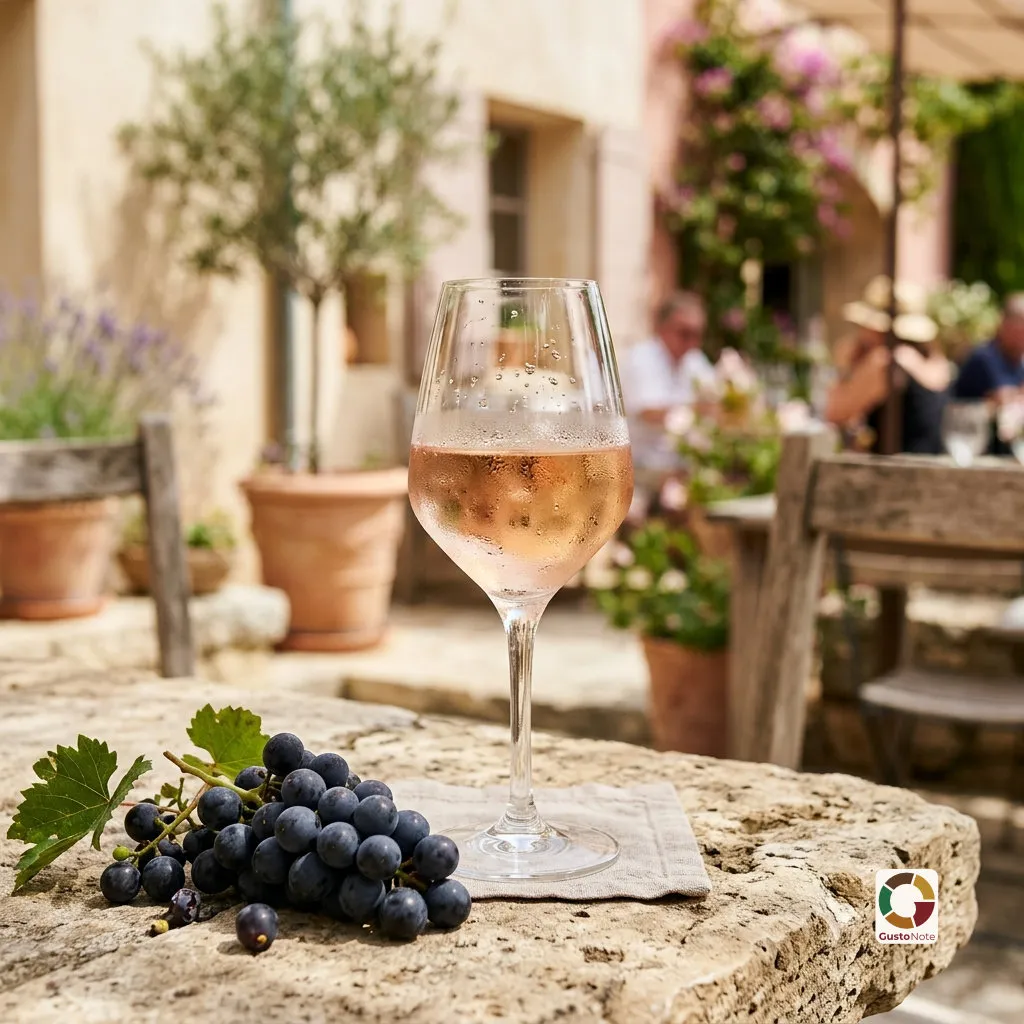
How rosé is made and why it is not a blend of red and white
Rosé wine is not made by mixing red and white, because in Europe that is forbidden. The three real methods of making rosé, where the colour comes from, and why Provence rosé is so pale.
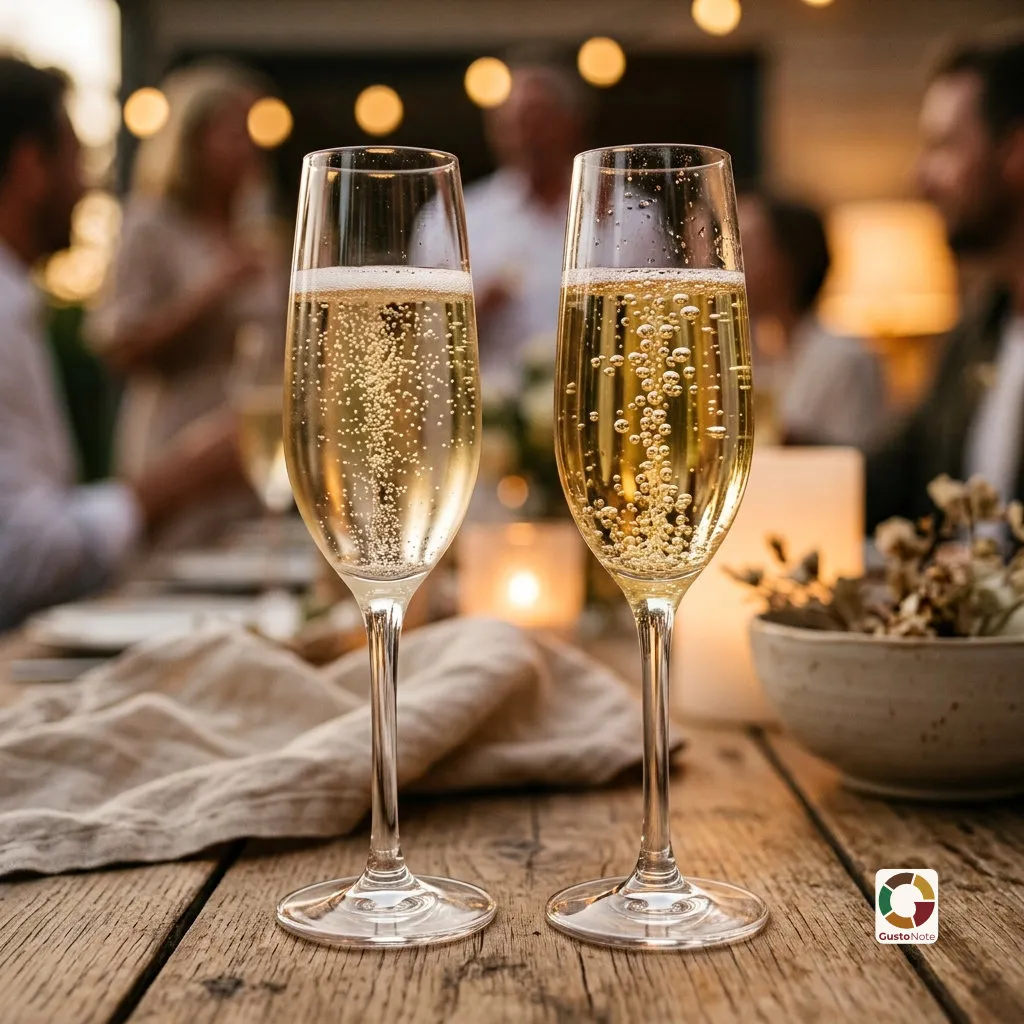
How sparkling wine is made - traditional method versus Charmat
The bubbles in wine come from a second fermentation, but the way it is done changes everything. The traditional method in the bottle versus the Charmat tank method, or why Champagne tastes different from Prosecco.
Wine faults - how to tell a bottle has gone bad
Cork taint, oxidation, reduction - the most common wine faults and how to spot them by smell and taste, before you blame yourself or the vintage.
Volatile acidity and mousiness - subtle faults worth knowing
Volatile acidity smells of vinegar and nail polish, while mousiness appears only in the aftertaste and not everyone can sense it. These are two subtle wine faults. Where they come from, their thresholds, why you cannot smell mousiness and when it is a fault versus a trace of style.
Light strike (goût de lumière) - how light spoils wine in the bottle
Wine in a clear bottle can be spoiled by light alone on the shop shelf. This is light strike, goût de lumière. How it works, why riboflavin and methionine are to blame, why rosé and sparkling are most at risk and how to protect against it.
Cork taint TCA - the cork does not so much stink as switch off your smell
Wine with cork taint is often described as musty, but the truth is more interesting. The compound TCA does not add a smell, it blocks your sense of smell and mutes the wines aromas. Here is how the most famous wine fault works and how to spot it.
Grapes
Cabernet Sauvignon - the king of red grapes
Cabernet Sauvignon is the most popular red grape in the world, known for blackcurrant, firm tannins and huge ageing potential. Where its character comes from, how it differs in Bordeaux and Napa, and how to recognise it.
Pinot Noir - the hardest and most seductive grape
Pinot Noir is a delicate, pale, seductive red wine and at the same time the hardest grape to grow. Where its lightness and forest notes come from, why it is called the heart of Burgundy, and how it differs from Cabernet.
Chardonnay - one grape, a hundred faces
Chardonnay is the most versatile white grape in the world, from lean, mineral Chablis to buttery, oaked Burgundy. Where this variety comes from, why it is called the winemaker's grape, and why many confuse it with oak.
Sauvignon Blanc - citrus, grass and the New Zealand revolution
Sauvignon Blanc is the most aromatic white grape, known for citrus, grass and gooseberry. Where these green notes come from, why New Zealand made a revolution, and how it differs from elegant Sancerre.
Riesling - the most underrated white grape
Riesling is the grape that most faithfully reflects where it comes from, ages for decades and can be either bone dry or richly sweet. Where the petrol note comes from, how to read the German sweetness scale and why so many wrongly dismiss it as a sweet wine.
German Riesling - Kabinett, Spatlese, Auslese explained
A German Riesling label terrifies with words like Kabinett and Auslese. It is a scale of grape ripeness, not always sweetness. What each level means, how it tastes and how not to go wrong buying it.
German VDP and classification by vineyard (GG) - the Burgundy idea on the Rhine
Germany has its own quality system based not on sweetness but on the vineyard. Learn about the VDP, the four-tier pyramid from Gutswein to Grosse Lage and Grosses Gewachs (GG) - the dry summit like Grand Cru. A guide with a table.
Syrah or Shiraz - one grape, two styles of the world
Syrah and Shiraz are the same grape but two completely different styles: cool, peppery, savoury from the Rhone and lush, fruity, powerful from Australia. Where the black pepper note comes from, why the name decides the flavour and how to spot both faces.
Merlot - the gentle grape unfairly mocked
Merlot is one of the noble grapes of the world, soft, velvety and full of fruit, unfairly ridiculed by a single film. Where the Sideways effect came from, how it differs from Cabernet, why it rules in Pomerol and Saint-Emilion and why it is worth going back to.
Nebbiolo - the soul of Barolo and Barbaresco
Nebbiolo is one of the noblest red grapes in the world, giving the pale yet powerful wines of Barolo and Barbaresco. Where the name comes from the fog, why it smells of tar and roses, how the king differs from the queen of Piedmont and why it demands patience.
Grenache/Garnacha - the secret of Châteauneuf and Priorat
Grenache (Spanish Garnacha) is a grape of pale colour but great strength and sweet fruit. Learn its character, its role in Châteauneuf-du-Pape and Priorat and in GSM blends. Why it gives strong wines despite its light colour. A guide with a table.
Tempranillo and the styles of Rioja - crianza, reserva, gran reserva
Tempranillo is the noble grape of Spain, the soul of Rioja. Learn its character and the key ageing system: joven, crianza, reserva and gran reserva. What these words on the label mean and how long the wine ages. A guide with a table.
Chenin Blanc - the chameleon of the Loire and South Africa
Chenin Blanc is the most versatile white grape in the world - it makes dry, sweet, sparkling and dessert wines. Learn its home in the Loire and South Africa, its high acidity and why it is called a chameleon. A guide with a table.
Zinfandel = Primitivo = Tribidrag - a genetic mystery
California Zinfandel, Italian Primitivo and Croatian Tribidrag are genetically the same grape. Learn the story of the 2001 DNA discovery, the Croatian roots dating to 1444 and the differences in wine style. A guide with a table.
Malbec - from Cahors to Argentina
Malbec was born in France as Cot from Cahors, but won real fame in Argentina. Learn the story of the black wine, the 1956 frost, the grape voyage across the Atlantic and the style differences between rustic Cahors and velvety Mendoza. A guide with a table.
Carmenere - the lost grape of Chile
Carmenere is one of the six Bordeaux grapes that vanished in France after phylloxera, and for a hundred years grew in Chile under someone elses name - as Merlot. Learn the story of the 1994 discovery, the green trap of pyrazines and the style of this wine. A guide with a table.
Furmint and Tokaj - from dry to Aszu
Furmint is the soul of Hungarian Tokaj - a high-acid grape that makes both dry wines and the famous sweet Aszu. Learn the puttonyos scale, noble rot, Szamorodni and the legendary Eszencia. A guide with a table.
Assyrtiko - the Greek white with a saline soul
Assyrtiko is a white grape from volcanic Santorini, famous for its electric acidity and saline minerality. Learn the basket-trained kouloura vines, the influence of volcanic soil, the flavour profile and the aging potential. A guide with a table.
Hybrid grapes and PIWI - the resistant grapes of the future
PIWI grapes are hybrids resistant to fungal diseases that allow spraying to be cut by over 80 percent. Learn how they are made, what environmental benefits they bring, well-known varieties like Solaris and the barriers to acceptance. A guide with a table.
Grapes banned by law - how Europe outlawed a few vine varieties
For decades several grape varieties, like Noah, Isabella or Clinton, were legally banned in Europe. The reason was supposedly methanol, but the truth is more complex. Here is the story of the banned grapes, the Austrian Uhudler and the lifting of the ban only recently.
Grapevine clones - why one variety has many faces
Two wines from the same grape can taste completely different, and one reason is clones. What a grapevine clone is, where it comes from, how it differs from a variety and a rootstock, and how it changes the wine in your glass.
The last vine of a variety - grapes saved from extinction from a single plant
Some grape varieties survived total extinction thanks to a few, sometimes a single preserved vine. The Greek Malagousia nearly disappeared, and today flourishes again. Here is the story of saving dying varieties and why this biodiversity is so precious.
Field blend - a mix of varieties from one vineyard
A field blend is wine from a vineyard where different varieties grow together, are picked on the same day and fermented together. How it differs from blending, where the tradition comes from, where it survived and why it is being valued again.
Regions
Bordeaux for beginners - left bank and right bank
Bordeaux is the most famous wine region in the world, but for a beginner it can be intimidating. The whole secret comes down to one division: the left bank on Cabernet and the right bank on Merlot. Where the difference comes from, how to read the label and where to start.
The 1855 Bordeaux classification and its controversies - a ranking from centuries ago
Five First Growths, 61 wines, one ranking from 1855 - and it still rules the market. Where it came from, why it was based on price, how Mouton was promoted in 1973 and why it stirs debate. A guide with a table.
Burgundy - terroir and why it is so expensive
Burgundy is the model of terroir and home to some of the most expensive wines in the world, made from Pinot Noir and Chardonnay. What climats and the quality pyramid from regional to grand cru are, why tiny parcels drive prices and why the same grape tastes different every few hundred metres.
Burgundy climats, Grand and Premier Cru - a map of terroir piece by piece
In Burgundy it is not the chateau that counts but the plot. Learn about climats - 1,463 vineyards each with its own terroir - and the four-tier pyramid: regional, village, Premier Cru, Grand Cru. Why it is a UNESCO heritage. A guide with a table.
Tuscany - Chianti, Brunello and Super Tuscans
Tuscany is the heart of Italian wine, where the Sangiovese grape reigns: from everyday Chianti, through majestic Brunello, to rebellious Super Tuscans. Where the cherry acidity comes from, why Brunello is so expensive and how DOCG rules sparked a winemaking revolution.
Georgian and amber wine - 8000 years in a clay jar
Georgia is the cradle of wine, and the qvevri - a clay jar buried in the ground - is its oldest technology. Where amber wines come from, how they taste and how they differ from white.
Polish wine - is it worth it and what to drink
Poland is a wine country again. Whether Polish wine is good, which grapes survive the climate, where the best is made and where to start. A guide with no special pleading and no prejudice.
The Rhone - north vs south, Hermitage, Chateauneuf-du-Pape
The Rhone Valley is two different worlds of wine. Learn the north - the kingdom of Syrah with Hermitage and Cote-Rotie - and the south with GSM blends, Grenache and Chateauneuf-du-Pape. See how geology and climate shape these wines. A guide with a table.
The Loire - from Muscadet to Sancerre and Vouvray
The Loire Valley is the widest palette of wines in France. Learn the four sub-regions, from Muscadet on the Atlantic, through the Chenin and Cabernet Franc of Anjou-Touraine, to the Sauvignon Blanc of Sancerre. Grapes, styles and why the Loire is underrated. A guide with a table.
Alsace - white grapes and style
Alsace is a French region with a German soul, famous for aromatic white wines. Learn the four noble grapes - Riesling, Gewurztraminer, Pinot Gris and Muscat - varietal labelling, the Grand Cru system and the slender flute bottle. A guide with a table.
The Mosel and Europes steepest vineyards - Riesling from the Calmont cliff
On the Mosel lies Calmont, considered Europes steepest vineyard, with a slope reaching about 65 degrees. The harvest here is almost like climbing. Here is why such extreme slopes give exceptional Rieslings and how vines are grown on a cliff at all.
Spain beyond Rioja: Ribera del Duero and Rías Baixas
Rioja is not all of Spain. Ribera del Duero is powerful Tempranillo from a harsh plateau, and Rías Baixas is fresh, sea-kissed Albariño from rainy Galicia. Discover two contrasting faces of Spanish wine, their climate, grapes and styles. A guide with a table.
Portugal: indigenous grapes and the Douro valley
Portugal is a treasury of indigenous grapes you will not find anywhere else. In the Douro valley port is made, but also excellent dry wines from Touriga Nacional and its cousins. Get to know the Portuguese varieties, the terroir of the Douro and why this country is so special. A guide with a table.
Austria: Grüner Veltliner and the Wachau valley
Austria is a country of great white wines, and its calling card is Grüner Veltliner - a grape of a white pepper note and lively acidity. Its best versions are made in the Wachau valley. Get to know the grape, the terroir of the Wachau and the unique classification of Steinfeder, Federspiel, Smaragd. A guide with a table.
High-altitude wines: Argentina and Georgia
The higher the vineyard, the more UV radiation and the greater the diurnal range. High-altitude wines from Argentina and Georgia are intense colour, thick skins and freshness despite the heat. Learn how altitude shapes wine and why the Andes and the Caucasus give exceptional wines. A guide with a table.
The highest vineyard in the world - vines on the roof of the world in Tibet
At over 3500 meters in Tibet grows a vineyard recognized by Guinness as the highest in the world. It battles frost, drought, sandstorms and harsh sun. Here is how wine is made on the roof of the world and what extreme altitude gives it.
China: the rising wine giant
China is not only a huge wine market, but also an ever better producer. The Ningxia region at the foot of the Helan mountains wins international awards, beating Bordeaux in blind tastings. Get to know Chinese winemaking, the Ningxia region, its terroir and grapes. A guide with a table.
Practice and serving
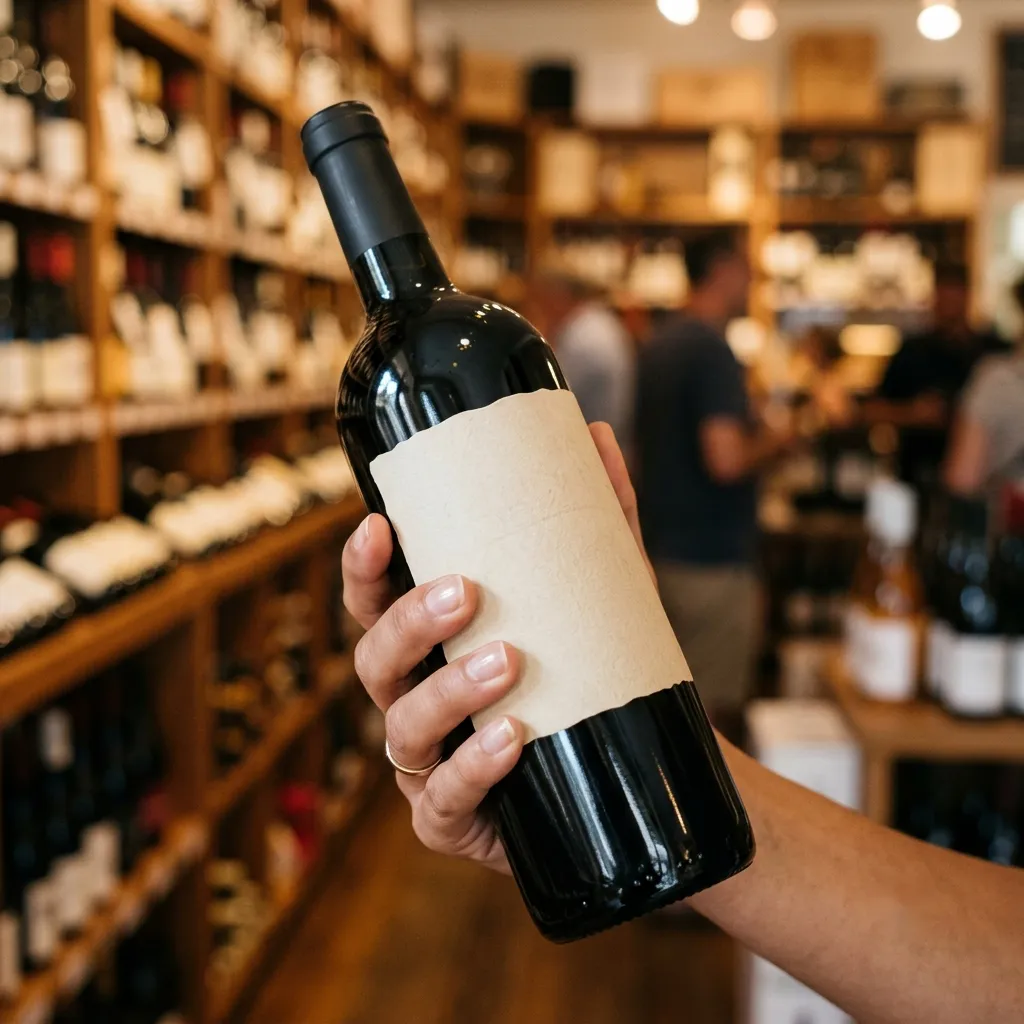
How to read a wine label and not get fooled by the bottle
A wine label is an instruction manual nobody taught you to read. Appellation, grape, vintage, „reserva", alcohol - we break it down so you buy with intent, not by the pretty sticker.
How to open wine - with a corkscrew and without one
Opening wine seems simple until the cork breaks or there is no corkscrew. The types of openers, how to use a waiters friend and how to open a bottle with nothing at all.
How to store wine without a cellar - a practical guide
No cellar or wine fridge? No problem. How to store wine in a flat: temperature, light, humidity, bottle position and the best spots at home. Without the myths.
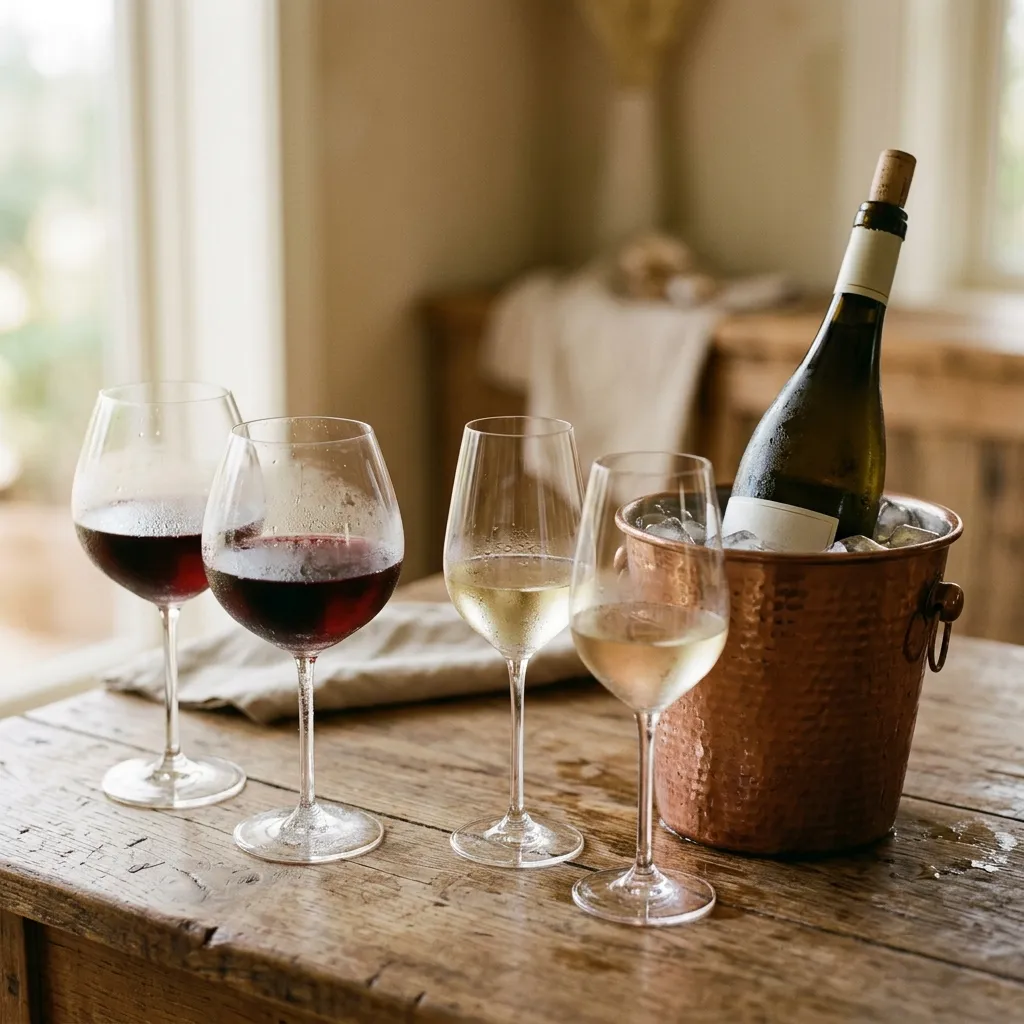
What temperature and glass to serve wine in
A too-warm red, an icy white and a random glass can ruin a good bottle. How temperature and glass shape change the taste of wine - a simple guide.
Ice in wine - when it is a faux pas and when a recognized summer trend (rose piscine)
Dropping ice into good wine is usually a faux pas, because it dilutes it and mutes the aromas. But rose with ice, that is rose piscine, is a recognized summer trend from the south of France. When ice in wine is a breach of manners and when it is fine, how to chill wine without diluting it, and how to behave with a good feel.
Hold a wine glass by the stem, not the bowl - and why
Holding a glass by the bowl warms the wine with the heat of your hand and leaves greasy marks that disturb the assessment of color, which is why it is held by the stem. Here are the practical reasons for this rule, how to hold the glass properly, what to do with a stemless model, and when it is exceptionally fine to warm the wine with your hand.
Why a wine glass is filled only a third of the way, not to the brim
Underfilling a wine glass is not stinginess but a rule. You pour to roughly a third, up to the widest point of the bowl, to leave room for swirling and aromas. Why a glass full to the brim betrays a lack of experience, how much to really pour for different wines, and how to do it with class.
Swirling wine - when it really aerates the aromas and when it is pure showing off
Swirling wine in the glass makes sense, because it aerates it and releases the aromas, but it is not always needed. When swirling really helps, for example with young tannic reds, and when it is needless or even harmful. How to swirl with class and not turn it into an empty performance.
The order of pouring wine - who first and from which side
When pouring wine for guests, you start with the guest of honor, go clockwise, and the host serves themselves last, pouring from the right side. Here are the rules for the order of pouring wine, their logic, and why the old rule of ladies first is now considered outdated.
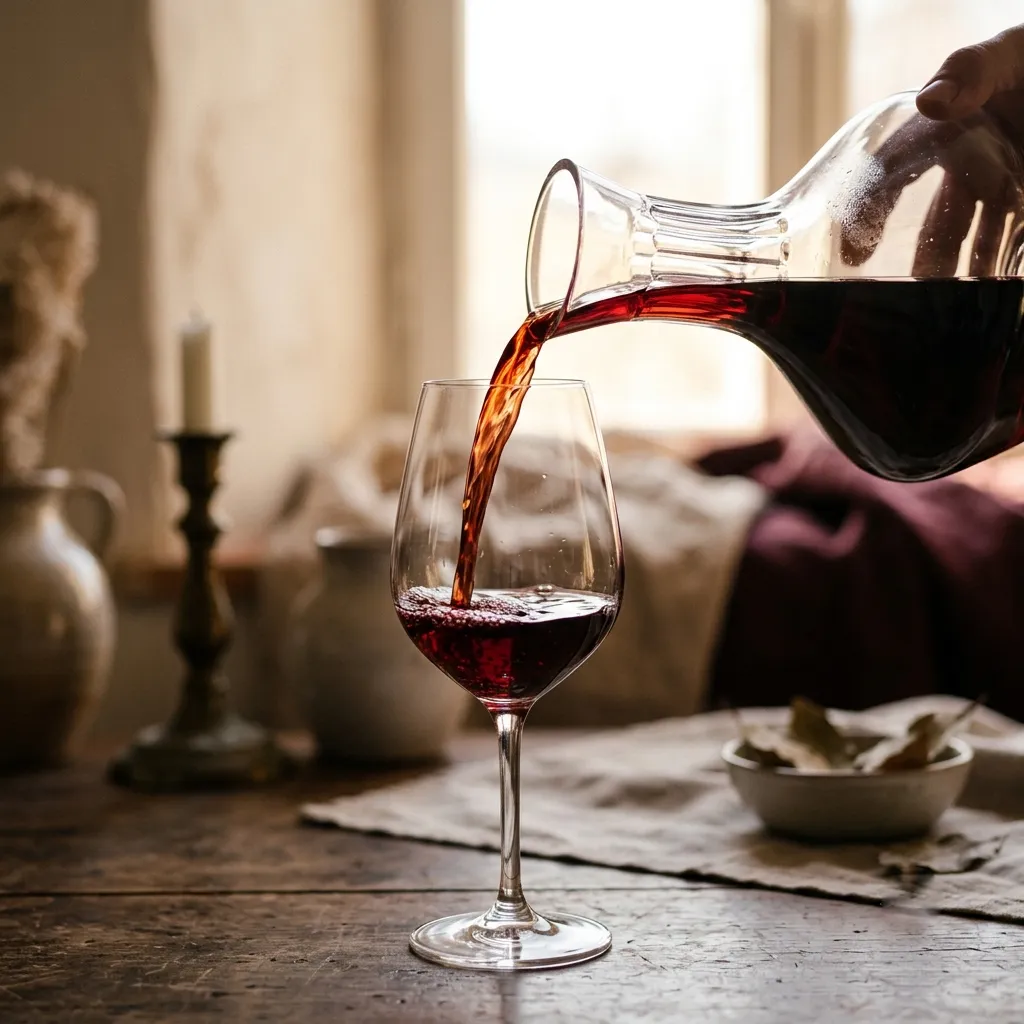
Should you decant wine - when it really helps and when it is theatre
Decanting is not a snobbish ritual or magic. It is two different things: aerating young wine and separating old wine from sediment. When it helps, how long, and what it cannot fix.
Cork versus screwcap versus glass: the closure war and TCA taint
Cork, screwcap or glass stopper? The choice of bottle closure affects wine aging and the risk of cork taint (TCA). Learn the pros and cons of each closure, what TCA is and why a screwcap is not a sign of cheap wine. A guide with a table.
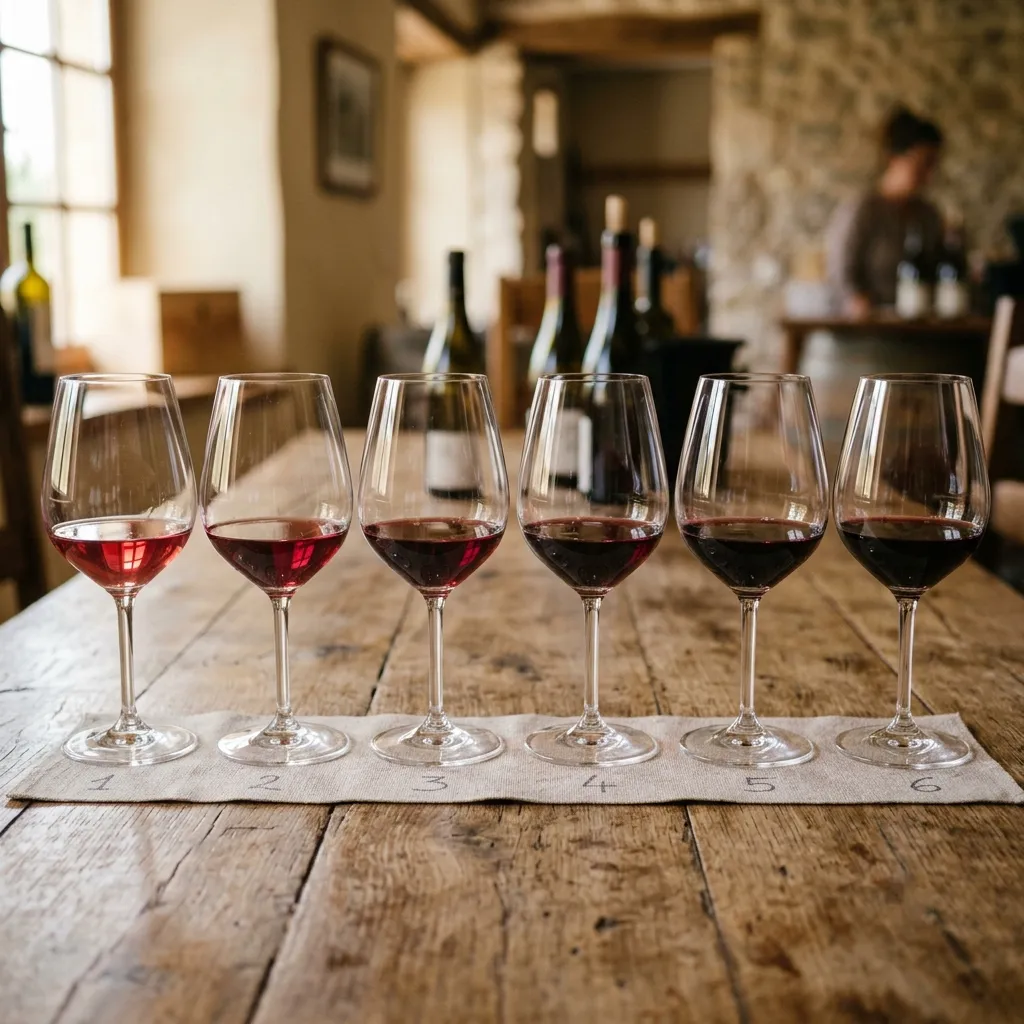
Vertical and horizontal tasting - how to compare wines at home
You learn the most about wine when you taste several side by side. Vertical (different vintages) and horizontal (different wines, same type) tasting - how to set it up at home and what to look for.
How to order wine in a restaurant without getting ripped off
The wine list, the sommelier, the tasting ritual at the table. How to order wine in a restaurant with confidence, how much a bottle really costs and what that splash of wine to taste is actually for.
Sending wine back in a restaurant - a fault yes, I do not like it no
Wine in a restaurant can be sent back for only one reason: when it is faulty, not because you do not like it today. Here is why the tasting ritual is not a judgment of taste, how to recognize a real fault, and how to politely report it to the sommelier without committing a faux pas.
Why the waiter presents the cork and why theatrically sniffing it marks a novice
The waiter sets the cork by you not so you can theatrically sniff it. The custom goes back to the 19th century and is about checking that the bottle is the right one and well stored. What to really do with the cork, why sniffing it makes no sense, and how to check the wine like someone at ease rather than a tourist.
In Hungary you do not clink glasses - a surprising custom from 1849
In Hungary people traditionally do not clink glasses when toasting, especially with beer, in memory of the execution of thirteen generals in 1849. Here is the story of this remarkable custom, the vow for one hundred and fifty years, and how to behave at a Hungarian table so as not to commit a faux pas.
Wine and cheese - how to pair them so the flavours sing
A classic that often fails through wrong matching. How to pair wine with cheese: goat with sauvignon blanc, hard with red, blue with sweet wine. Simple rules and concrete pairs.
Wine with fish and seafood - how to pair them
White with fish is not enough. How to pair wine with fish and seafood: sparkling with oysters, pinot grigio with delicate fish, pinot noir with salmon. Simple rules and concrete pairs.
Wine with spicy and Asian food - how not to fan the fire
Spicy food and wine are a challenge. How to pair wine with spicy and Asian dishes: off-dry riesling, gewurztraminer, low alcohol. Why sugar quells heat and alcohol fans it.
Wine with chocolate and dessert - how to pair so it does not turn bitter
Wine with sweets is a trap. How to pair wine with chocolate and dessert: port with dark chocolate, sauternes with light desserts. The golden rule that keeps wine from turning bitter with sweetness.
How much good wine costs - a guide to price brackets
How much should you really spend on a bottle of good wine? Where the sweet spot of quality and value lies, why not to go too low or overpay, and which regions give the most for the money.
Wine as a gift - how to choose without knowing the recipient taste
You do not know what the recipient likes? Sparkling is the safest choice. How to choose wine as a gift when you do not know the taste: versatile styles, budget and presentation. No mishaps.
A chilled bottle of wine as a gift - why it is a subtle faux pas
By bringing your host a chilled wine, you subtly signal that you expect it to be opened today, while a bottle at room temperature is a gift for later. Here is what this subtle rule of etiquette is really about, when it actually applies, and when chilled wine is perfectly fine.
A host is not obliged to open the wine you bring as a gift
A bottle handed to the host is a gift, not a contribution to the menu. Expecting it to be opened at once and set on the table is a classic guest faux pas. Why the host may keep the wine for later, how to give it without pressure, and when you really must warn that it is a wine for a specific dish.
Does wine improve with age - which ones do and which do not
Most wines do NOT improve with age, despite the popular myth. Which wines age, which to drink young, what decides ageing potential and why most wine should be drunk right away. No myths.
Wine investment: en primeur, Liv-ex and risks
Wine is sometimes treated as an investment, but it is not a goldmine. Get to know the en primeur system (wine bought in the barrel), the Liv-ex exchange, real returns and the risks of investing in wine. Why it has been hard to profit since 2005. A guide with a table.
The Jefferson bottles forgery - wine worth a fortune betrayed by a drill
Bottles supposedly from Thomas Jefferson cellar broke price records, until they turned out to be a forgery. They were given away by engraving done with a modern dental drill. The story of the greatest wine hoax and how it was cracked.
Rudy Kurniawan - the first man convicted of counterfeiting wine
Rudy Kurniawan blended cheap wines in his kitchen, poured them into old bottles and sold them for millions as rare vintages. He was exposed by a winery that did not exist in the vintage he claimed. Here is the story of the greatest wine forger and how he was caught.
The oldest wine in the world - the Roman bottle no one dared to open
In a German museum stands a bottle of wine about 1700 years old, the oldest unopened bottle in the world. It comes from a Roman tomb, and a layer of olive oil preserved it. Scientists are afraid to open it. Here is the story of the oldest wine and why it stays sealed.
Cesium-137 as a test for wine fraud - how atomic bombs unmask fakes
Nuclear tests scattered the isotope cesium-137 around the world, which did not exist before 1945. Today it reveals whether wine was made before or after the atomic age, unmasking fakes of old vintages. Here is how this surprising test works and what it discovered.
Wines for the holidays, a romantic dinner and a party - what to choose
Every occasion calls for a different wine. What to serve for the holidays, a romantic dinner and a party: sparkling to start, pinot noir with turkey, port with dessert. A guide to wines for every occasion.
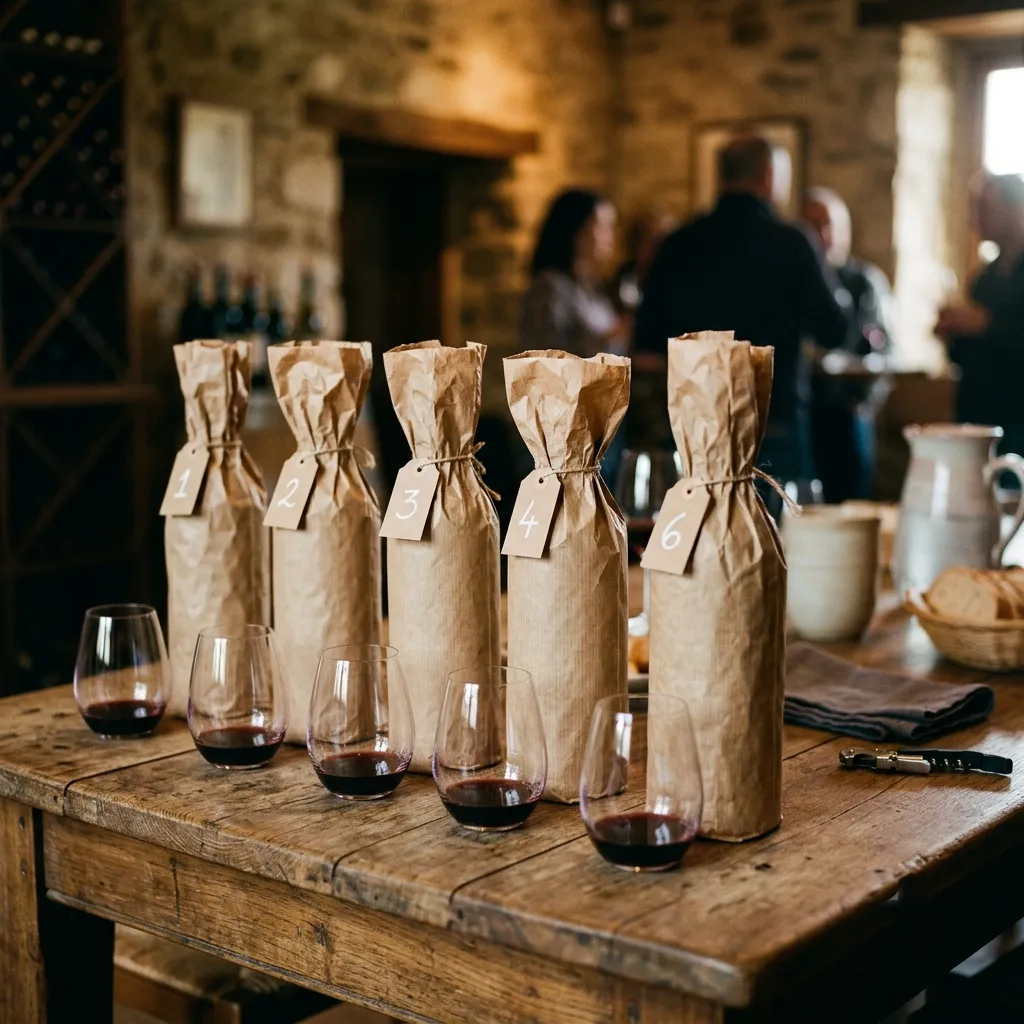
How to host a blind wine tasting at home (and why it is the best party game)
Blind tasting sounds like an expert ritual, but it is a great home party game that shatters your bias about price and labels. How to set it up, run it, and turn it into a game for friends.
The Brochet experiment - how sight overrides the taste of wine
In a famous experiment a researcher dyed white wine red, and experienced oenology students described it with vocabulary typical of red wine. It is proof of how strongly color steers our taste. Here is what the Brochet experiment really showed and what it teaches a taster.
The Judgment of Paris 1976 - the day California beat France
In 1976 French experts blind-tasted California wines above famous Bordeaux and white Burgundy. The Judgment of Paris demolished the myth of European superiority and changed the wine world. Here is how it happened and why it still matters.
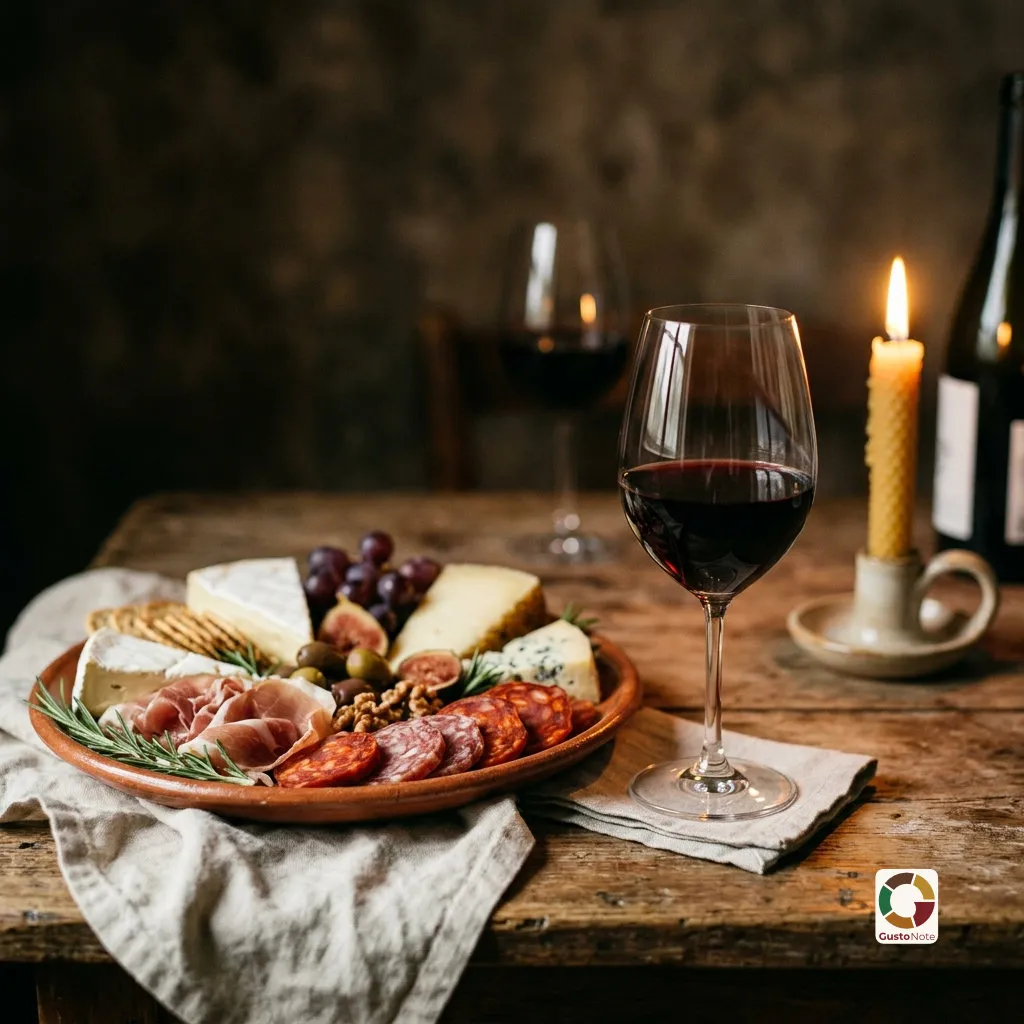
How to pair wine with food without mistakes
Good wine and food pairing is not magic, just a few rules. How to match weight, acidity and tannins, what to avoid, and why regional pairings rarely fail.
Summer wines - what to drink when it is 30 degrees in the shade
In the heat a heavy red sits like a stone and a warm white loses its charm. Which wines refresh, how to chill them (reds too) and what to avoid at 30 degrees.
Does expensive wine always taste better? The price myth
In blind tastings price rarely predicts which wine tastes better. What you really pay for at a higher price, where quality ends and prestige begins, and how not to overpay.
The wine must breathe myth - just opening the bottle barely aerates it
Opening a bottle of wine an hour before serving so it can breathe? It is largely a myth. Through the narrow neck the wine contacts the air only negligibly. Real aeration comes from a decanter or swirling in the glass. Where the breathing myth came from, which wines really benefit, and how to aerate wine sensibly.
Price as a spice - why more expensive wine really tastes better
Brain research showed that the same wine gives more pleasure when we think it is more expensive. It is not just a declaration but real activity in the pleasure center. Here is how price acts like a spice and what it says about our palate.
Tannins in wine, tea, whisky and coffee - where astringency comes from
The astringent, drying sensation in the mouth links wine, tea, whisky and coffee. Learn about tannins: what they are, where their astringency comes from, why it is not the same as bitterness and how to come to love it in four drinks. A guide with a table.
Tasting like a pro - shared principles for wine, whisky, coffee and tea
Tasting wine, whisky, coffee and tea follows the same rules. Learn the universal method: visual assessment, smell, taste and retronasal, the role of smell, the flavour wheel and the importance of notes. One scheme for four drinks. A guide with a table.
Drinks in space - wine, whisky, beer, coffee and tea in orbit
Wine matured on a space station, whisky was studied in microgravity, and astronauts drank coffee from a special cup. Here is a cross-cutting tale of how our favorite drinks made it into space and what weightlessness does to their taste and the physics of liquids.
Supertasters - how genetics change the perception of wine, coffee, beer and tea
The TAS2R38 gene makes about a quarter of people perceive bitterness and tannins far more strongly than the rest. Here is how the genetics of taste change the perception of wine, coffee, beer and tea, and why a supertaster is not automatically a better taster.
How the environment fools taste - the research of Charles Spence
Light, music, the color of the plate, the shape and weight of the vessel, and even sound really change how we perceive any drink, and it works even on professionals. Here is what Charles Spence, the founder of gastrophysics, discovered, and what it means for the thoughtful tasting of wine, coffee, beer and tea.
How to politely decline any drink - a calm no thank you without explaining
Declining a drink, a refill, or another coffee need not be awkward. A calm no thank you without over-explaining is usually enough, because confidence disarms pressure. How to decline drinks in different cultures, when a refusal may offend the host, and how to behave with class without giving in to pressure.
Toasting around the world - eye contact, words, and what not to do
Slainte, Prost, Kanpai, Gan bei - toasts are raised differently around the world, but a few rules recur. Eye contact is often obligatory, you have to wait for the toast, and in some cultures you do not toast with water. A guide to toasting: words, gestures, when to drink, and which faux pas to avoid over wine, whisky, beer, or sake.
Guest or host - how to praise and criticize a drink without offending anyone
How to praise the host wine when you like it, and how to politely hint when it is not quite to your taste - without offending? And when you are the host, how to accept praise and criticism with class, and must you open a bottle brought as a gift? A guide to guest and host etiquette around drinks.