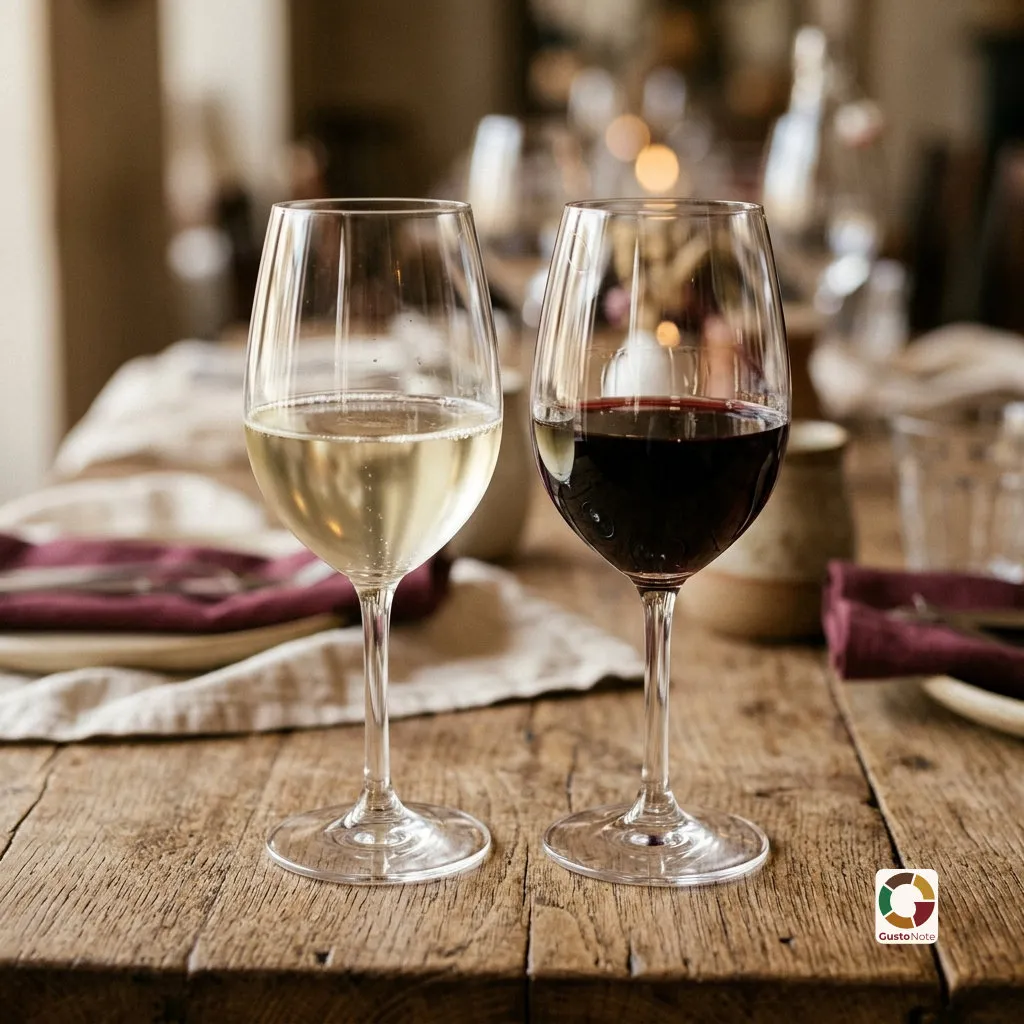
Wine body - what light, medium and full really mean
A sommelier says a wine is full-bodied or light, and you nod along without quite knowing what it means. Wine body is one of the simplest concepts in tasting once you have felt it. It is not a taste or a smell, but the sense of the liquid’s weight and density in your mouth.
The simplest comparison
Think of three kinds of milk:
- Light wine is like skimmed milk - watery, airy, gone quickly.
- Medium wine is like regular milk - it has a noticeable texture but does not weigh you down.
- Full wine is like cream - dense, coating, filling the whole mouth.
That is exactly the same sensation in wine, only it is not about flavour but about how heavy the liquid feels.
Where body comes from
Body is the result of several things at once:
- Alcohol - the higher it is, the heavier and warmer the wine feels. The main factor.
- Extract - everything dissolved in the wine besides water and alcohol. More matter means fuller body.
- Residual sugar - sweeter wines feel denser.
- Tannins - in reds, they add to the sense of mass. I cover them separately in tannins in wine.
That is why a bold red from a warm climate is usually full, while a light, acidic white from a cool region is light.
A simple test at home
Take a sip and pay attention not to the flavour but to the weight of the liquid on your tongue. Is it light like water or thick like oil? It also helps to compare acidity and body: a crisp, light white against a heavy, strong red, side by side. You will feel the difference at once. I cover acidity in acidity in wine.
Why it matters
Body decides what a wine suits. Light works beautifully in summer and with delicate dishes, full calls for rich meat and cool evenings. Matching the weight of the wine to the weight of the food is one of the simplest rules of a good pairing.
Start naming it
In GustoNote you rate the body alongside acidity, tannin and sweetness for every wine, and after a few dozen entries you will see whether you lean toward light or full wines. If you are still learning to read these impressions, start with how to actually taste wine.