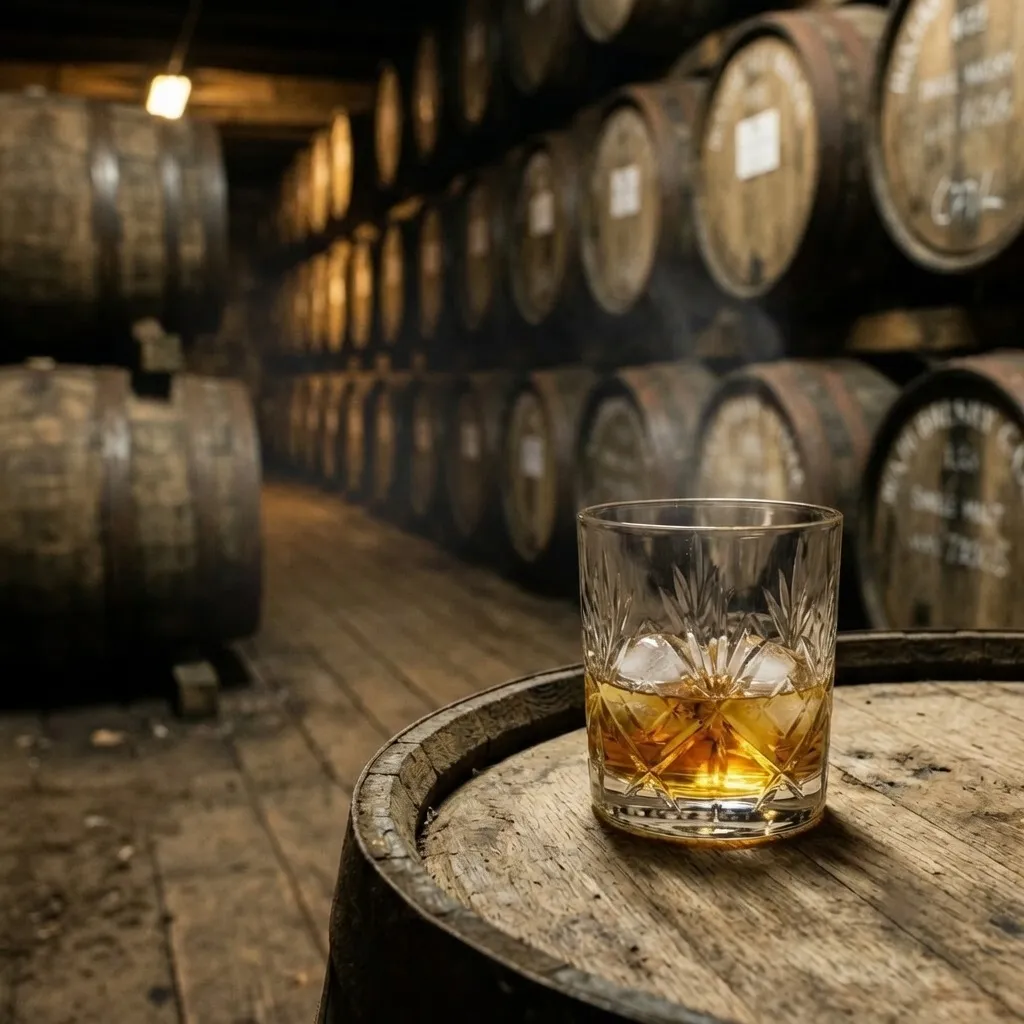
How the cask shapes whisky - why sherry, bourbon and oak decide the flavour
When we talk about whisky flavour, the distillery and the age get most of the attention. Yet the real hero stands quietly in the warehouse: the oak cask. By the producers’ own estimates it can account for as much as 60-70 percent of the final flavour. Fresh spirit off the still is clear and sharp. That whole range of vanilla, dried fruit, honey and spice is the work of the wood and whatever sat in it before.
Where the cask gets its flavour
Three things happen at once:
- The oak itself gives vanilla, coconut, woody notes and a gentle sweetness. The inside of the cask is charred, and that charred layer filters out harsh compounds while adding caramel and toffee.
- The previous tenant. Whisky almost always matures in used casks - ex-bourbon, ex-sherry, ex-wine. Traces of that drink soaked into the wood pass into the whisky.
- Time and breathing. Over the years the cask breathes, some alcohol evaporates (the famous „angel’s share”), and the flavours concentrate and round out.
Ex-bourbon casks: vanilla and honey
This is the most common type. American law requires bourbon to mature in new charred oak that may not be reused - so those casks travel the world, mostly to Scotland. They give whisky a lighter, golden colour and a profile of vanilla, honey, coconut, citrus and soft spice. If you like lighter, sweetish Speyside-style whiskies, you are probably drinking an ex-bourbon cask.
Ex-sherry casks: dried fruit and spice
Casks that held Spanish sherry (oloroso, pedro ximenez) give a completely different world: raisins, figs, prune, dark caramel, nuts and warming spice. The whisky turns darker, richer, more „festive”. It is the signature of names like Macallan or GlenDronach. Sherry casks are expensive and scarce today, which is why fully sherry-matured whisky usually costs more.
Wine, rum, port and the rest
More and more often you will meet casks that held red wine, port, madeira, rum, even beer. Each adds its own accent: wine and port bring berry and fruit notes, rum brings tropical sweetness and vanilla. It is a field of experiments that can deliver brilliant results or odd hybrids.
What a „finish” is
When a label says „sherry finish” or „port finish”, it means the whisky first matured in one cask (usually bourbon) and was then moved to another for its final months or years. That is not a marketing gimmick but a real step - the shorter contact lays a layer of flavour on top of the base. The longer the finish, the louder the second cask. This is exactly the kind of detail you read off a whisky label.
What about colour?
Dark whisky looks mature and expensive, but be careful: colour on its own says little. It comes from the cask (sherry stains more than bourbon), and some producers also add caramel colouring E150a for a consistent look. So do not assume darker means better or older. Besides, age alone is not everything either.
Train it with your nose
The best way to understand the cask is to compare two whiskies side by side: one from a bourbon cask, one from sherry. The difference - bright vanilla versus dark dried fruit - is so clear you will catch it on the first sniff. If instead you are chasing smoke and peat, that is a separate story we covered in the piece on why whisky tastes like a bonfire. To stop these impressions from slipping away, write them down - in GustoNote you log the cask type for every whisky, while the aroma wheel and radar help you name what it actually brought. After a few entries you will start guessing the cask blind.