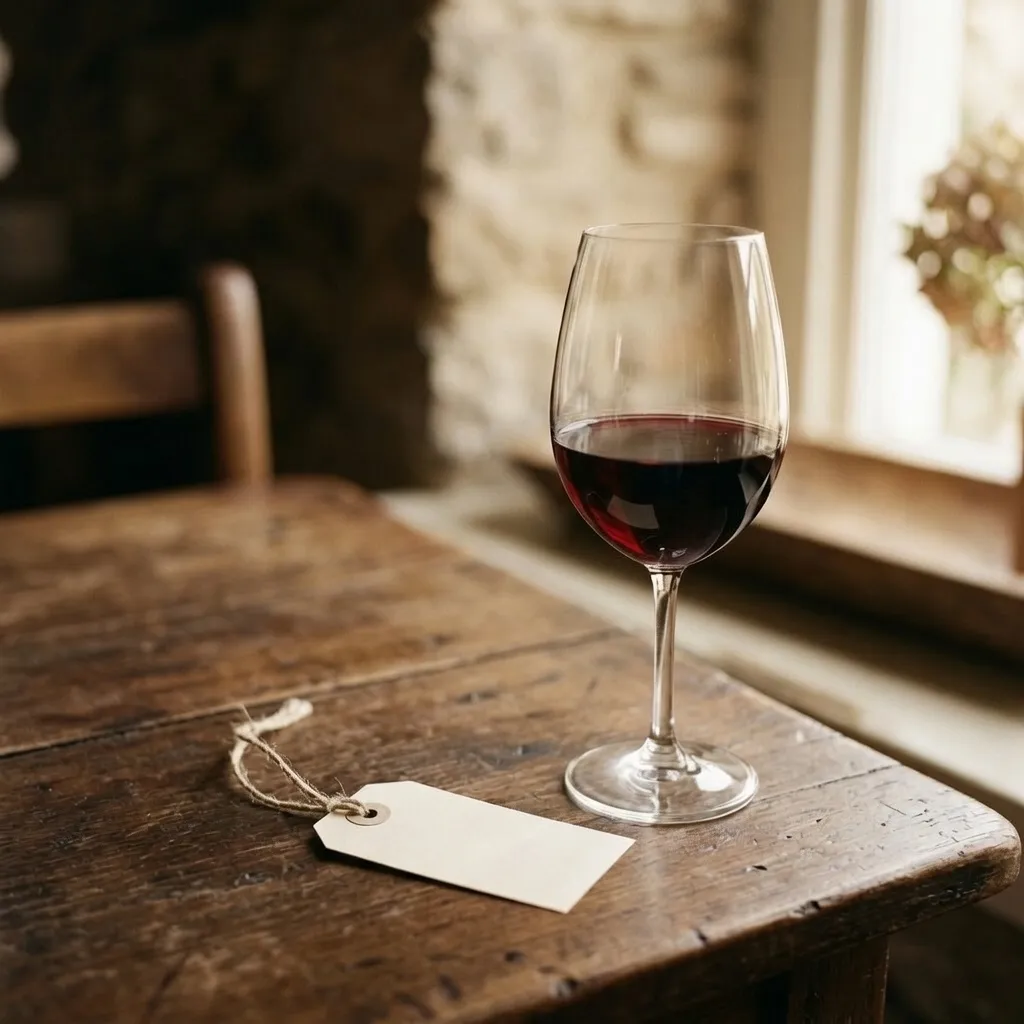
Does expensive wine always taste better? The price myth
The instinct is simple: a more expensive wine must be better. Yet this is one of the most stubborn myths in the wine world, and studies knock it down again and again. The truth is more nuanced: price does say something, but far less than we think.
What blind tastings show
In blind tastings, where no one sees the label or the price, the correlation between price and how much ordinary drinkers enjoy a wine is tiny, and sometimes even slightly negative - meaning people occasionally rate the cheaper wine higher. When we know the price, the brain does the rest: the same bottle tastes better when we think it is expensive. That is the expectation effect, not the wine in the glass. The best way to see this for yourself is to host a blind tasting at home - it can be sobering.
What you really pay for at a higher price
It is not that price is random. Moving from very cheap wine to the mid-range, you genuinely pay for quality:
- Lower yields per hectare (more flavour in the fruit).
- Better vineyards and more careful work in the cellar.
- Maturing in oak and time spent ageing (and barrels and time cost money).
That is why the jump from the cheapest shelf to a wine costing a bit more is usually genuinely noticeable.
Where quality ends and prestige begins
The catch is that this relationship flattens out fast. Above a certain level you are no longer paying for taste but for:
- The brand and the prestige of the name.
- Scarcity (small production, a cult vintage, collector speculation).
- Critics’ scores, which push the price up.
A wine at 500 is rarely ten times tastier than a wine at 50. It can be better, subtler, more complex - but the difference keeps shrinking while the price keeps rising faster.
How not to overpay
- Look in the sweet spot. The best quality-to-price ratio is usually in the mid-range, not at the very bottom and not at the top.
- Go for less fashionable regions. The same good wine from a famous appellation costs more than from a lesser-known neighbour. You pay for the region’s name.
- Trust your palate, not the tag. If a cheap wine tastes good to you, then it is good for you, full stop.
Train your own taste, not someone else’s price
The only tag that truly matters is your own impression. The better you know your taste, the less you need price as a crutch. In GustoNote you note the price, profile and score for every wine, and after a few dozen entries you will see in which range you genuinely hit the wines you love - and stop overpaying for the label alone. And to name what you taste with more confidence, start with calibrating your palate.