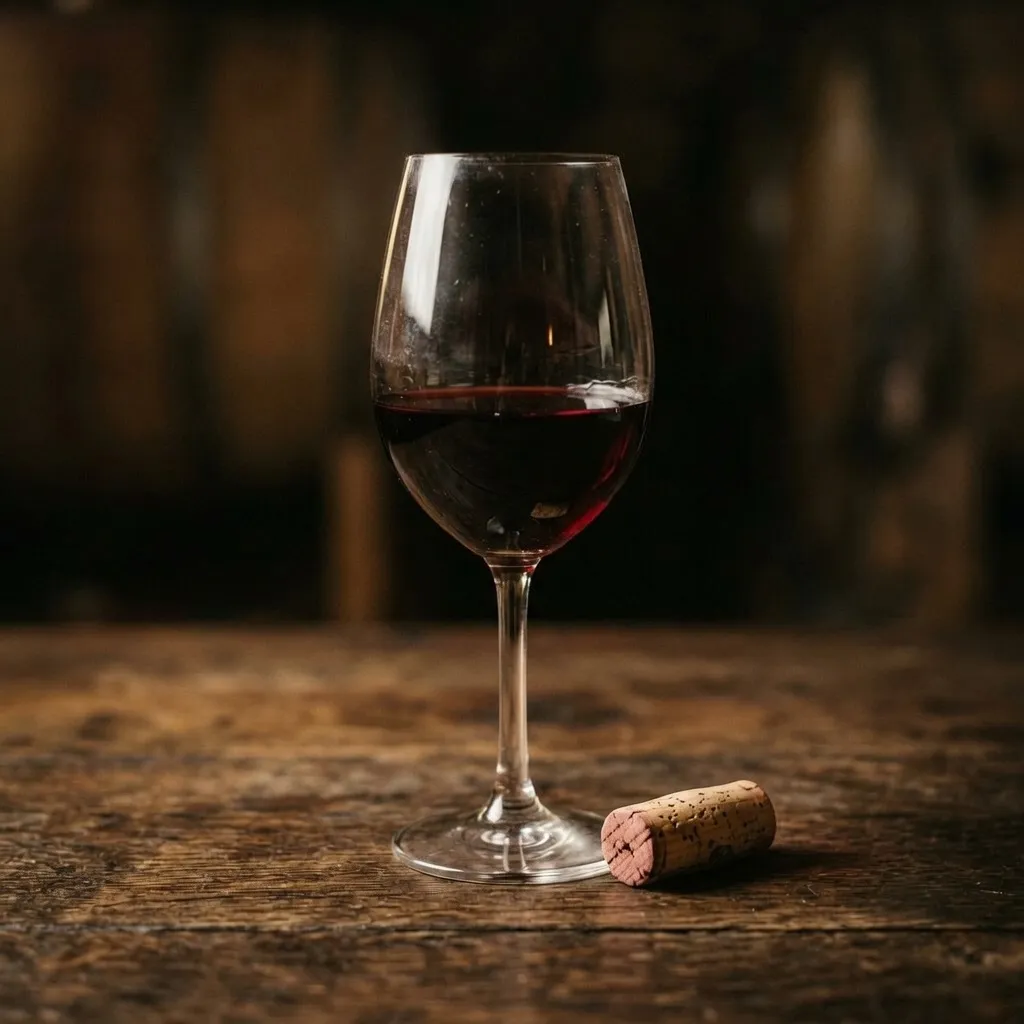
Wine faults - how to tell a bottle has gone bad
You open a bottle, pour, smell it - and something is off. Before you decide you know nothing about wine or that it is just a poor vintage, check whether the wine is simply faulty. Some bottles spoil on the way to you and it has nothing to do with your palate. Here are the most common faults and how to recognise them.
Cork taint (TCA)
The most famous fault. It is caused by a compound called TCA, which usually gets into the wine through the cork. The wine then smells of a damp cellar, wet cardboard, a musty cloth. The fruit disappears, the wine goes flat and mute. A light taint can be subtle - the wine just seems dull. A strong one you notice at once. It is random: it affects single bottles, not the whole case. If you bought it in a shop, you have every right to return such a bottle.
Oxidised wine
Too much oxygen kills freshness. White turns dark, golden-brown, and red loses its brightness and fades towards brick. On the nose you get dried apple, nut, sherry, sometimes vinegar. A little air helps wine, which is why we decant - but too much for too long does harm. Usually these are badly stored wines, too old, or open for too long.
Reduction - the opposite of oxidation
Sometimes wine lacks oxygen and sulphur smells appear: a struck match, boiled cabbage, rotten egg, sometimes rubber. The good news: reduction often blows off. Pour the wine vigorously into a decanter, or drop a clean copper coin in for a moment - sulphur reacts with copper and the smell goes. If the wine opens up after aeration, it was only reduced, not spoiled.
Heat-damaged wine
A bottle that sat in the heat - in a car boot, in a sunny shop window - can be cooked. The taste turns jammy, stewed, loses freshness, and the cork is sometimes pushed up past the rim. This cannot be undone. So buy wine where it lies in the cool, not on a sunlit shelf. Keeping it at the right temperature is a basic in general: what temperature and glass to serve wine in.
Bubbles that should not be there
If a still wine lightly prickles and shows tiny bubbles, an unwanted refermentation may have started in the bottle. Sometimes it is just leftover carbon dioxide and nothing bad, but combined with cloudiness and a sharp vinegary smell it is a sign the wine is working and is not fit to drink.
Not every flaw is a fault
Watch out for a trap: not everything you dislike is a fault. Firm tannin, high acidity, a note of oak, or the smell of leather and earth in an older red are often features of a style, not defects. A fault is something that smothers and ruins the wine: wet cardboard, vinegar, rotten egg. The rest is a matter of taste - and exactly what is worth learning about yourself. Mindful tasting helps: how to actually taste wine.
Write it down and stop blaming yourself
The best way to tell a fault from your own taste is to take notes. In GustoNote you mark for each bottle whether the wine was clean or faulty, describe the smell and taste on the aroma wheel and rate the structure. Over time you catch for yourself when it is cork taint and when it is simply not your style - and you stop blaming yourself for a bottle that just did not turn out.